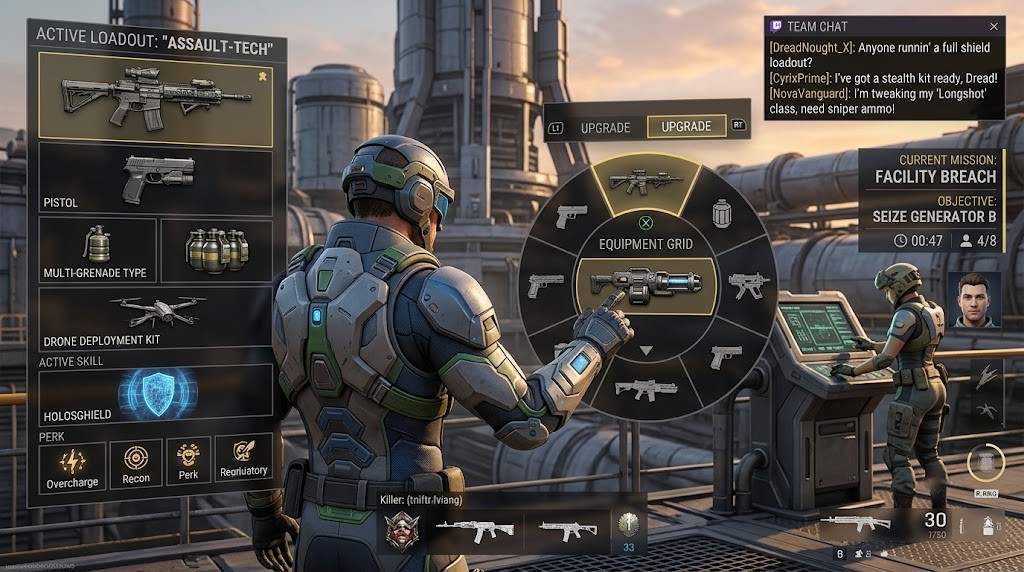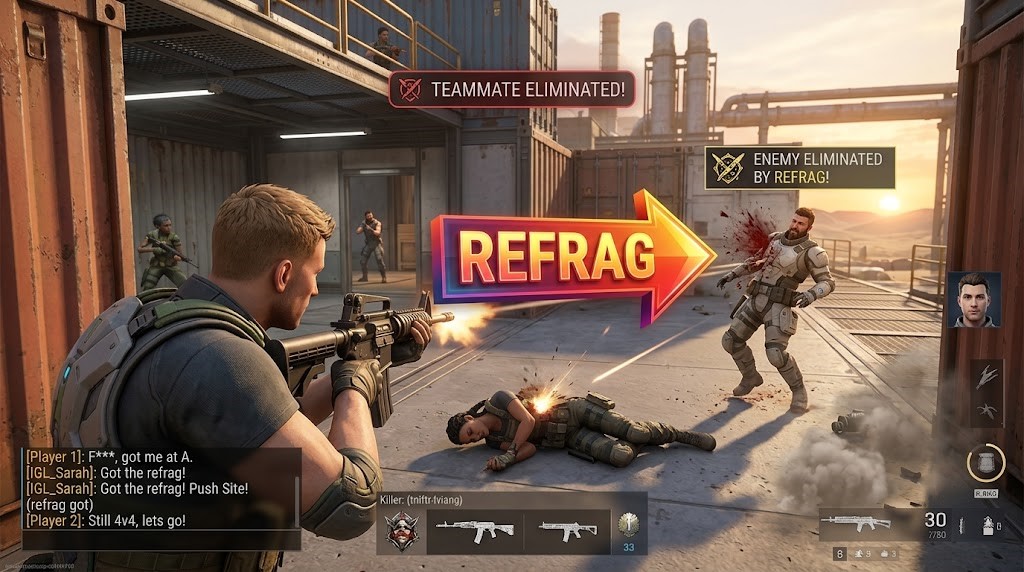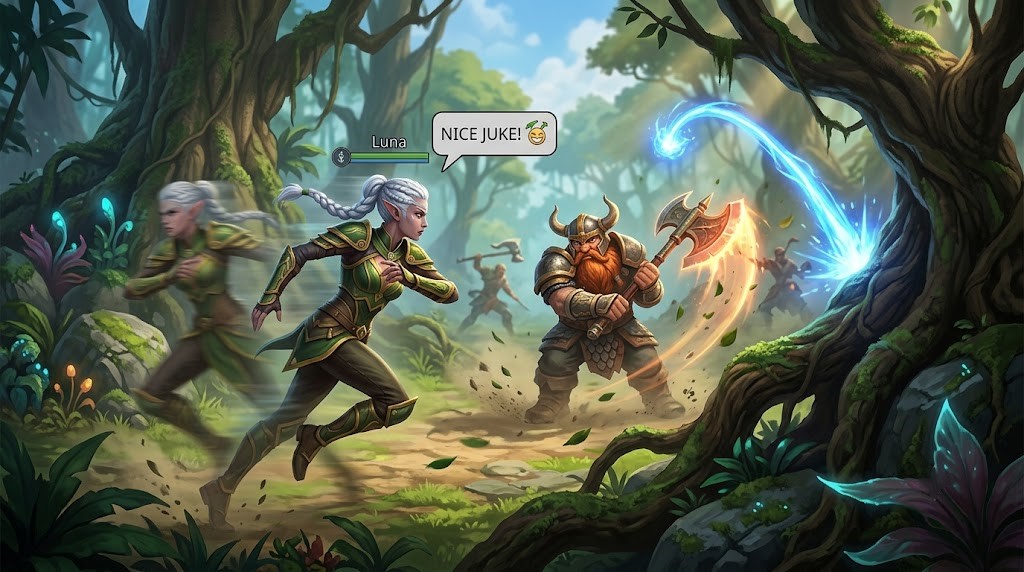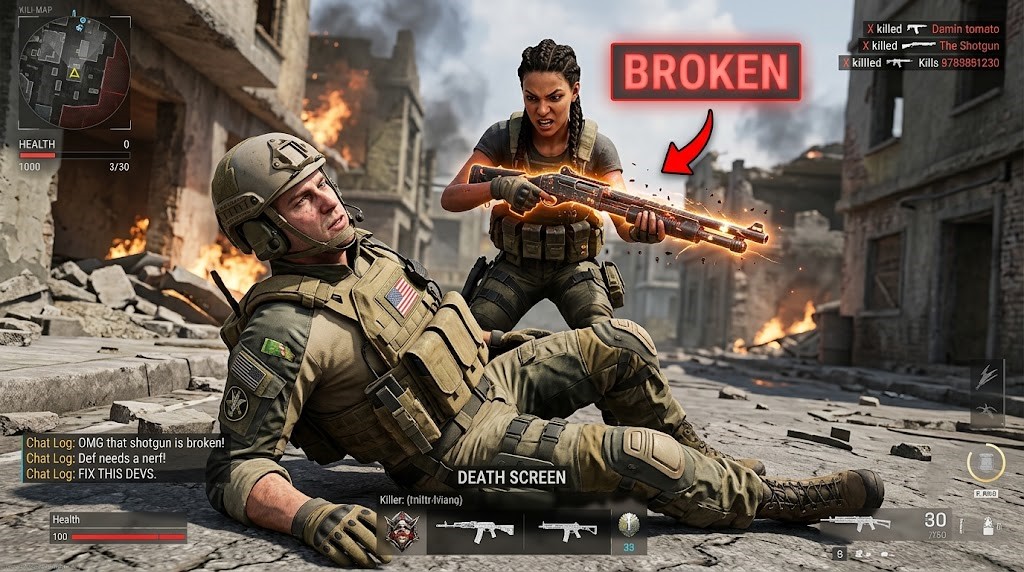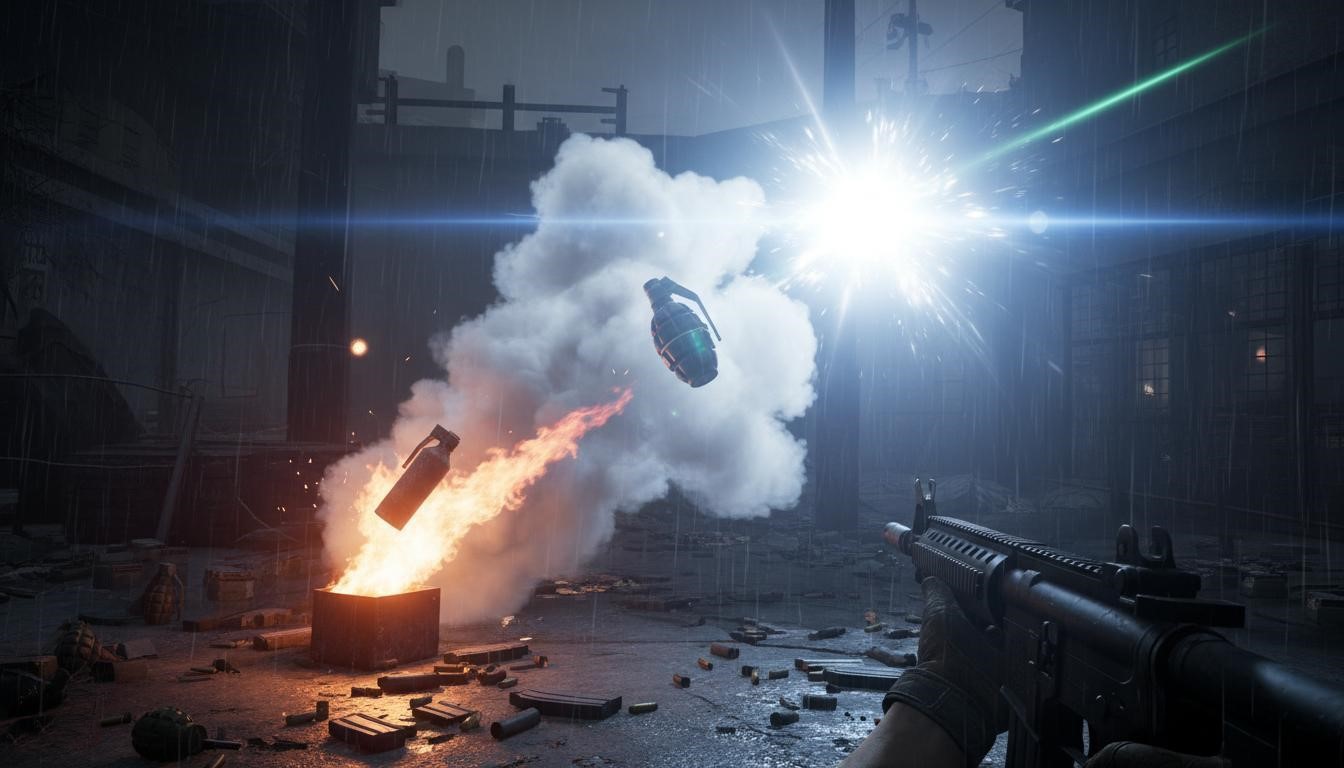
In gaming, ‘utility’ refers to non-weapon abilities and tools that provide tactical advantages — smokes, flashes, heals, recon drones, and barriers. In tactical shooters like VALORANT and CS2, utility usage often determines which team wins more than raw aim.
Trajectory & Chronology
The word ‘utility’ started as a general English term meaning ‘usefulness,’ then evolved within gaming to describe non-damaging tactical abilities. Counter-Strike (1999) pioneered the concept with its grenade system — flashbangs, smoke grenades, HE grenades, and defuse kits. These weren’t weapons but were essential for winning rounds. By the early 2000s, ‘utility’ had become standard CS terminology. The concept expanded dramatically with Overwatch (2016), where each hero’s abilities were their primary contribution, and weapons were secondary. VALORANT (2020) bridged the gap — agents had unique utility abilities (smokes, mollies, recon tools) but gunplay remained central. In 2026, ‘utility’ is a core concept across multiple genres: tactical shooters use it for site execution, MOBAs use it for crowd control and support spells, and MMOs use it for buffs and debuffs. Professional teams have dedicated ‘utility players’ whose job is maximizing ability usage rather than getting kills.
GEBILAOWANG: A team with perfect utility and average aim beats a team with perfect aim and no utility. Every single time.
Socio-Cultural Gain
Utility represents the strategic depth that elevates competitive gaming from pure reflex tests to tactical chess matches. In low-ranked play, players treat utility as an afterthought — something to throw randomly. In high-ranked play, utility is the primary weapon. A perfectly placed smoke can win a round without firing a single bullet. A well-timed flash enables a guaranteed kill. The ‘utility dump’ — coordinating multiple abilities simultaneously — is one of the most beautiful things to watch in professional play. The term also highlights the unsung heroes of competitive teams. The player who throws the perfect smoke doesn’t get the highlight reel, but they enabled the entry fragger’s multi-kill. In VALORANT, controllers (smoke agents) and initiators (recon agents) are often underappreciated despite providing the utility that wins rounds. ‘Save your utility’ and ‘use your utility’ are probably the two most common pieces of advice given to new competitive players.
High-Fidelity Contextual Dialogues
Scene: VALORANT, team voice comms
Player A: “I need a smoke for site entry” Player B: “Deploying smoke now, push through” Player C: “I’m flashing over the smoke, don’t peek until I call it” Player A: “Utility was perfect, we got the site for free”
Scene: Discord, discussing team roles
Alex: “I want to play duelist, I like getting kills” Coach: “We need you on controller, our smokes are terrible” Alex: “But controller is boring” Coach: “Controller wins games. Your smokes determine whether our pushes work. That’s more important than your KDA.”
Scene: CS2, pro match commentary
Caster A: “Look at this utility usage from NaVi, perfectly coordinated” Caster B: “Molotov clears the corner, flash pushes the player out, smoke blocks the rotate” Caster A: “That’s $900 in utility that just won them the round” Caster B: “The best teams treat utility like money — spend it wisely and it pays dividends”
FAQ
Q4: How do I explain ‘utility’ to a non-gamer in one sentence?
“In team shooting games, ‘utility’ refers to special tools like smoke grenades, flashbangs, and healing abilities that help your team win without directly doing damage — they’re tactical tools rather than weapons.”
Q1: What’s the difference between utility and abilities?
In most games, ‘abilities’ is the broader category that includes everything a character can do. ‘Utility’ specifically refers to non-damaging, tactical abilities that help the team — smokes, flashes, heals, barriers, recon tools. A damage ability (like a fireball) is an ability but not utility. A smoke grenade is both an ability and utility.
Q2: Why is utility more important than aim?
Utility creates opportunities that aim alone cannot. A smoke blocks an enemy’s vision, making them easy to kill. A flash blinds them before they can shoot back. A heal keeps your teammate alive through damage. Even the world’s best aimer can’t shoot through a smoke or fight while blind. Utility multiplies the effectiveness of your team’s aim.
Q3: Which agents/roles provide the most utility?
In VALORANT: Controllers (Brimstone, Omen, Viper) provide smokes. Initiators (Sova, Fade, Skye) provide recon. Sentinels (Sage, Cypher) provide defensive utility. In CS2, everyone buys grenades, so utility responsibility is shared. In Overwatch, support heroes provide the most utility through healing and buffs.