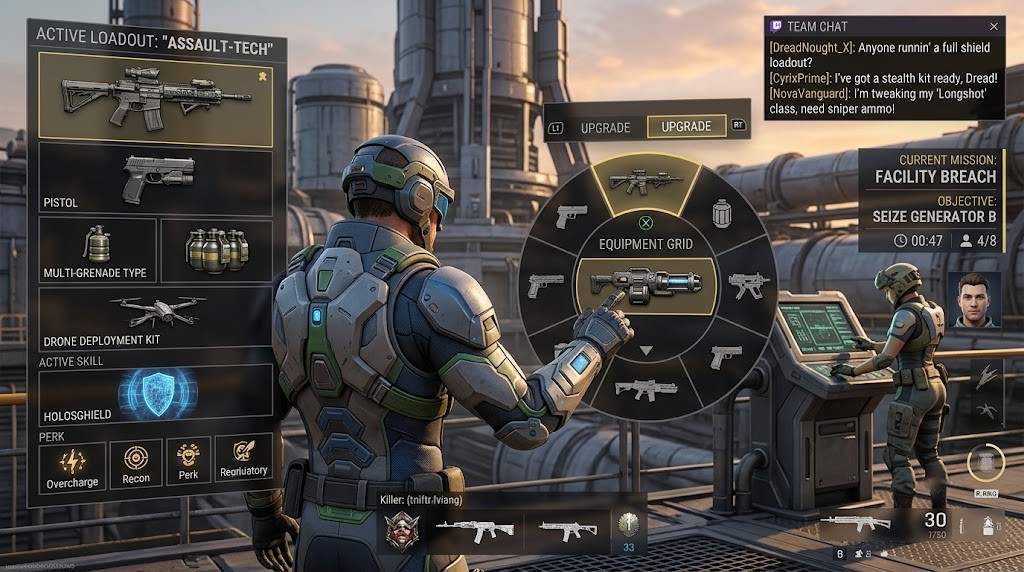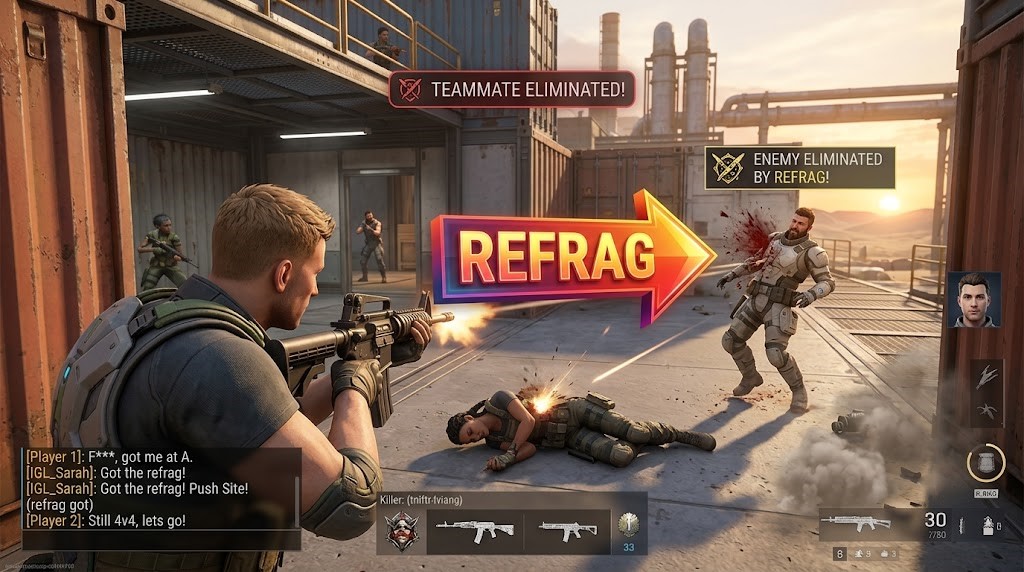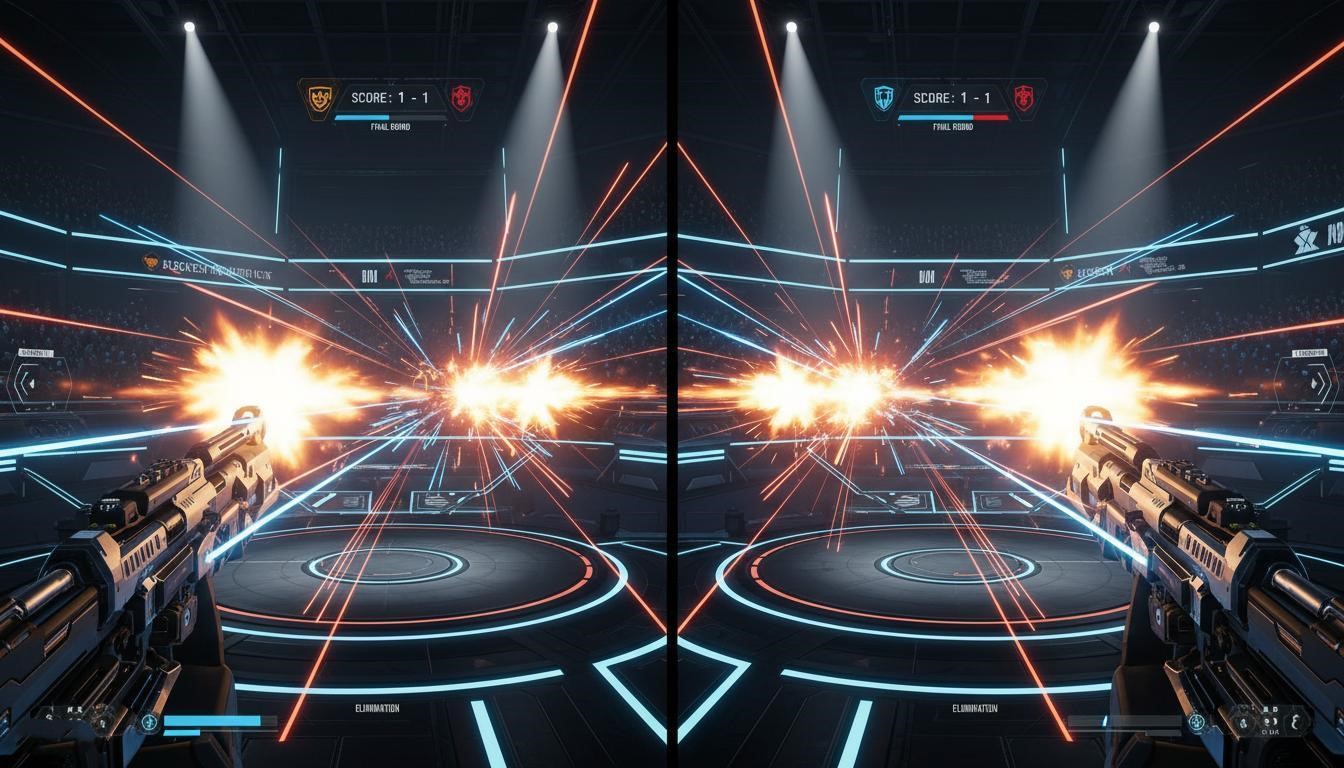
In gaming, a ’trade’ occurs when a player kills an enemy immediately after that enemy killed their teammate, resulting in a one-for-one exchange. A fundamental concept in team-based shooters, trading ensures that no death is wasted.
Trajectory & Chronology
Trade became part of gaming slang after the rise of team-based competitive shooters in the early 2000s, spreading rapidly through Counter-Strike and later tactical FPS communities. The term comes from the literal idea of a trade — exchanging one thing for another. In early Counter-Strike (1999), players realized that dying without getting a kill put their team at a permanent numbers disadvantage. The concept of ’trading’ emerged as a way to ensure that every engagement resulted in an even exchange. By the mid-2000s, ‘get the trade’ had become a standard callout in competitive teams — if your teammate dies, your immediate job is to kill their killer. The rise of team-based shooters like Overwatch (2016) and VALORANT (2020) made trading even more critical, since ultimate economy and ability usage meant that losing a player without a trade was devastating. ‘Trading efficiently’ — consistently getting trades while minimizing deaths — became a key metric for team performance at the professional level.
GEBILAOWANG: The first thing you learn in competitive shooters: your life doesn’t matter, the trade does.
Socio-Cultural Gain
Trade represents the selfless teamwork mindset that defines competitive gaming at its best. In solo queue, players chase highlight reels and personal stats. In coordinated teams, players understand that a guaranteed trade is often more valuable than a risky multi-kill attempt. The concept creates a unique social contract: ‘If I die, you get the trade. If you die, I get the trade.’ This mutual responsibility builds team cohesion. ‘Trading’ also has a secondary meaning in gaming — exchanging items with other players. MMORPGs have complex trading economies, and ’trade’ in that context refers to player-to-player item exchanges. The dual meaning creates occasional confusion for new players, but context almost always makes the intended meaning clear. In competitive shooters specifically, the inability to trade efficiently is one of the most common reasons teams lose rounds — even at the professional level.
High-Fidelity Contextual Dialogues
Scene: VALORANT, team voice comms
Player A: “I’m pushing site, trade me if I die” Player B: “I’m right behind you, I’ll get the trade” [Player A dies] Player B: “Got the trade, one for one” Player A: “Nice, now it’s a 4v4”
Scene: Discord, coaching a new player
Coach: “You keep peeking alone and dying” Newbie: “I’m trying to get kills” Coach: “Don’t peek alone. Peek with your teammate so if you die, they get the trade. Or vice versa.” Newbie: “So I should let my teammate die first?” Coach: “No — you should peek together so either of you can get the trade. It’s about timing, not sacrifice.”
Scene: Reddit, competitive advice thread
User1: “How do I climb out of Silver?” User2: “Focus on trading. Every time a teammate dies, ask yourself ‘did we get the trade?’” User3: “Silver players peek one by one and get picked off. Gold players peek together and trade.” User4: “Trading is the single biggest difference between low and mid-ranked players.”
FAQ
Q4: How do I explain ’trade’ to a non-gamer in one sentence?
“In team shooting games, a ’trade’ is when you immediately kill the enemy who just killed your teammate, making it an even one-for-one exchange instead of your team being at a disadvantage.”
Q1: What’s the difference between a trade and a revenge kill?
A trade happens immediately — within seconds of your teammate dying, you kill their killer. A revenge kill happens later in the round, after some time has passed. Trades are strategically valuable because they maintain even numbers. Revenge kills are just personal satisfaction — they don’t help your team as much.
Q2: How do I trade effectively?
Peek angles together with your teammate, not one at a time. If your teammate pushes through a door, follow close behind. Communicate who’s peeking first. If your entry fragger dies, your job is to immediately kill whoever killed them. Don’t chase kills elsewhere — the trade is your priority.
Q3: What is ’trading post-plant’?
After the bomb is planted (in CS2/VALORANT), the attacking team’s goal shifts from getting kills to staying alive and defending the bomb. ‘Trading post-plant’ means the attackers position themselves so that if one dies trying to stop defuse, another can immediately take their place. It’s a defensive trading strategy that ensures the bomb stays protected.