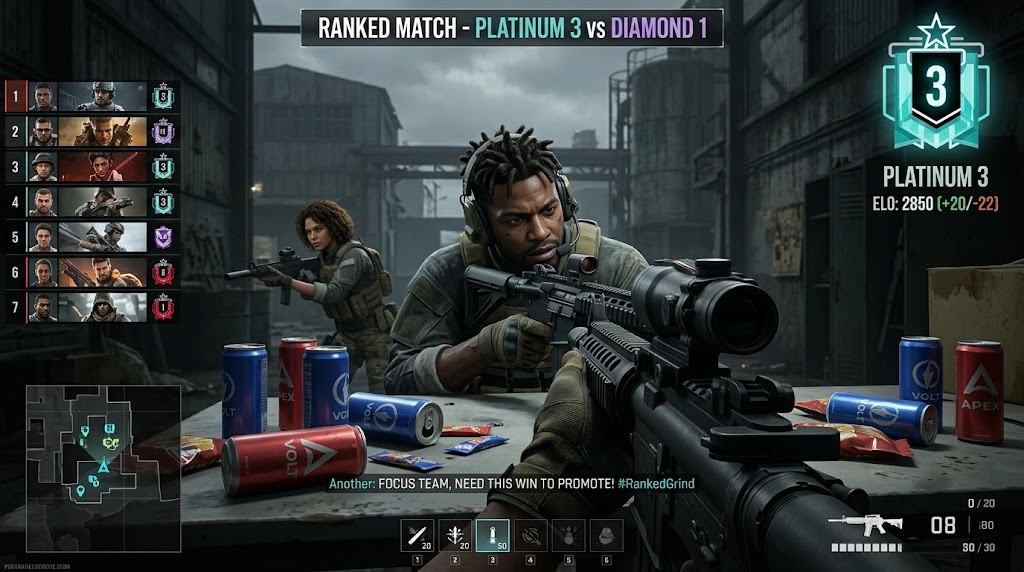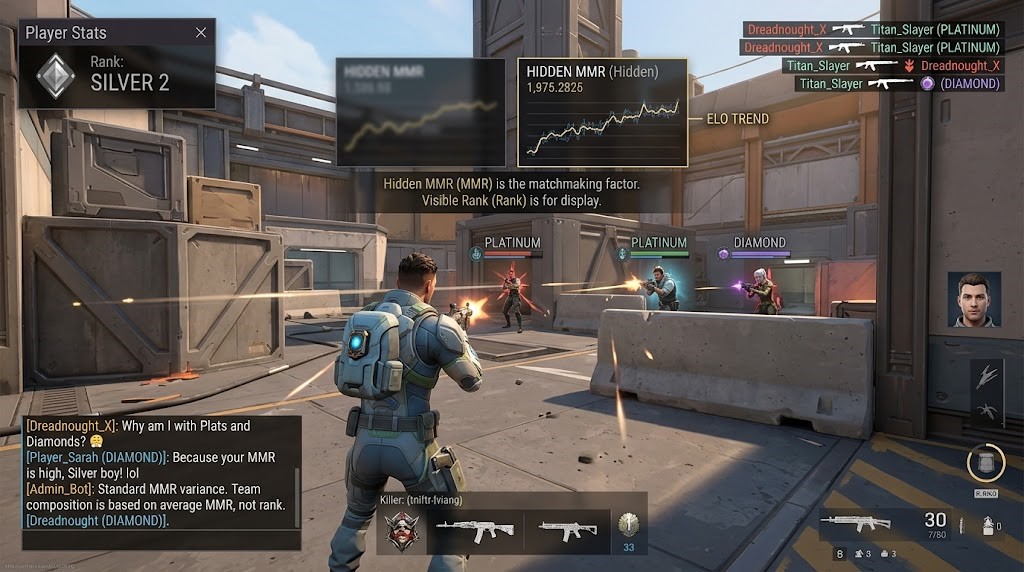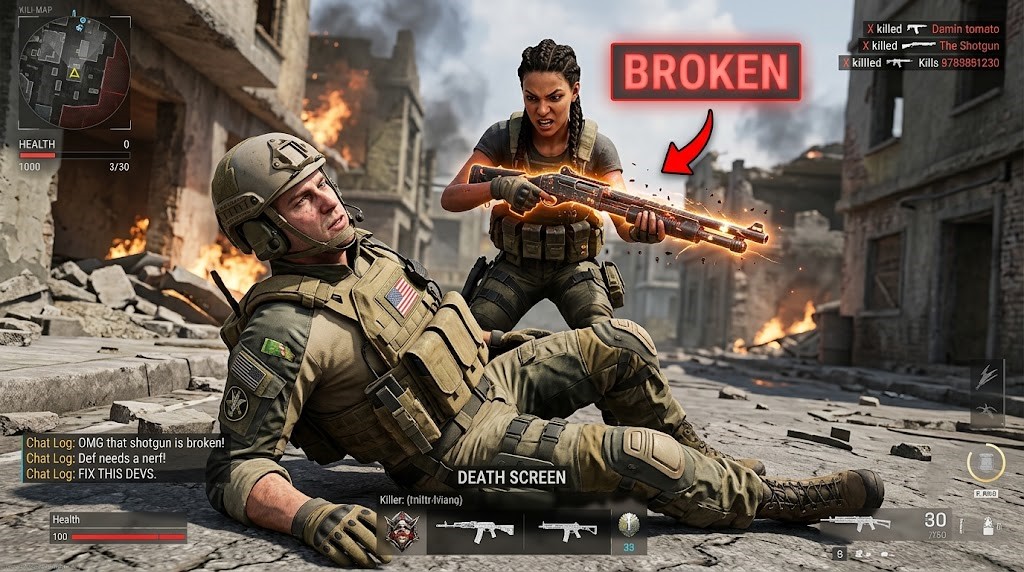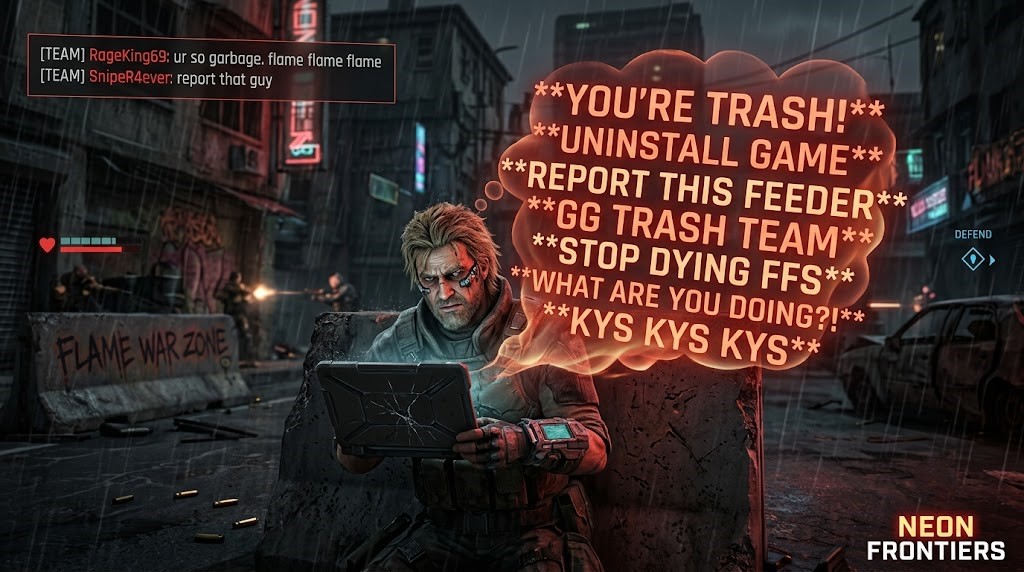
In gaming, ’toxic’ refers to players who exhibit negative, harmful, or abusive behavior toward others — including verbal abuse, harassment, intentional feeding (deliberately dying to help the enemy), and sabotaging teammates. The term has become the standard descriptor for the darker side of online gaming culture since the early 2010s.
Trajectory & Chronology
The earliest documented use traces back to… The term ’toxic’ entered gaming vocabulary around the early 2010s, borrowed from general internet culture where it described harmful online behavior. As competitive gaming grew and matchmaking became more automated (pairing strangers together), the problem of negative player behavior became more visible and more discussed. By the mid-2010s, ’toxic’ was the go-to descriptor for bad behavior in gaming. SpawnPoint’s 2026 Glossary lists toxic as one of the core gaming terms, describing it as ‘a player who has a negative attitude and may abuse other players verbally or intentionally sabotage the game for their own team.’ The term’s adoption coincided with growing awareness of mental health in gaming and increasing efforts by developers to combat negative behavior through reporting systems, honor systems, and behavioral penalties.
GEBILAOWANG: This term is starting to appear in mainstream media, which usually signals permanent adoption.
Socio-Cultural Gain
The concept of ’toxicity’ reveals the fundamental challenge of online gaming: anonymous competitive spaces bring out the worst in people. When there are no real-world consequences for bad behavior and the only accountability is a username, some players feel free to unleash their frustrations on strangers. The term ’toxic’ has been important because it gave the gaming community a vocabulary to discuss and address this problem. Before ’toxic,’ there were only specific terms for specific behaviors (flaming, griefing, trolling). ‘Toxic’ provided an umbrella term that connected these behaviors into a recognizable pattern. Interestingly, ’toxic’ has also been critiqued for being overused. Some players call anything they don’t like ’toxic’ — a teammate offering constructive criticism, a player using a ‘meta’ strategy they dislike, or even someone simply playing better than them. This overuse has diluted the term’s meaning.
High-Fidelity Contextual Dialogues
Scene: Twitch stream chat
Scene: League of Legends ranked
Player A: “Our support is 0-8. Are they trolling?” Player B: “Probably just tilted, don’t be toxic in chat.” Player A: “I’m not being toxic, I’m just pointing out facts.” Player B: “That’s what every toxic player says.”
Scene: Overwatch 2 post-match
Teammate: “The DPS was so toxic, he blamed everyone but himself.” Friend: “Classic toxic DPS main. Couldn’t hit a shot but had time to type essays in chat.” Teammate: “Reported him for abusive chat.”
Scene: Discord among friends
Friend 1: “I had the most toxic teammate today. He threw the game because someone picked his main.” Friend 2: “Some people take this game way too seriously.” Friend 1: “Toxic players ruin the experience for everyone.”
FAQ
Q1: What’s the difference between being toxic and being competitive?
Being competitive means you want to win and you try hard. Being toxic means you’re making the experience worse for others through abuse, blame, or sabotage. You can be highly competitive without being toxic — many pro players are intensely competitive but respectful to teammates and opponents.
Q2: What should I do if I encounter a toxic player?
Don’t engage — arguing with a toxic player usually makes things worse. Use the in-game reporting system after the match. Mute them if their chat or voice is affecting your mental state. Remember: their toxicity is about them, not you.
Q3: Can toxic players actually get banned?
Yes. Most modern games have automated systems that detect toxic behavior (text analysis, report volume) and issue penalties ranging from chat restrictions to temporary bans to permanent account bans. Repeat offenders are usually permanently banned.
Q4: How do I explain ’toxic’ in gaming to a non-gamer in one sentence?
“It describes players who are mean, abusive, or deliberately sabotage their own team in online games — basically the online equivalent of a bully or a sore loser.”