Throw
slangWhat Does "Throw" Mean?
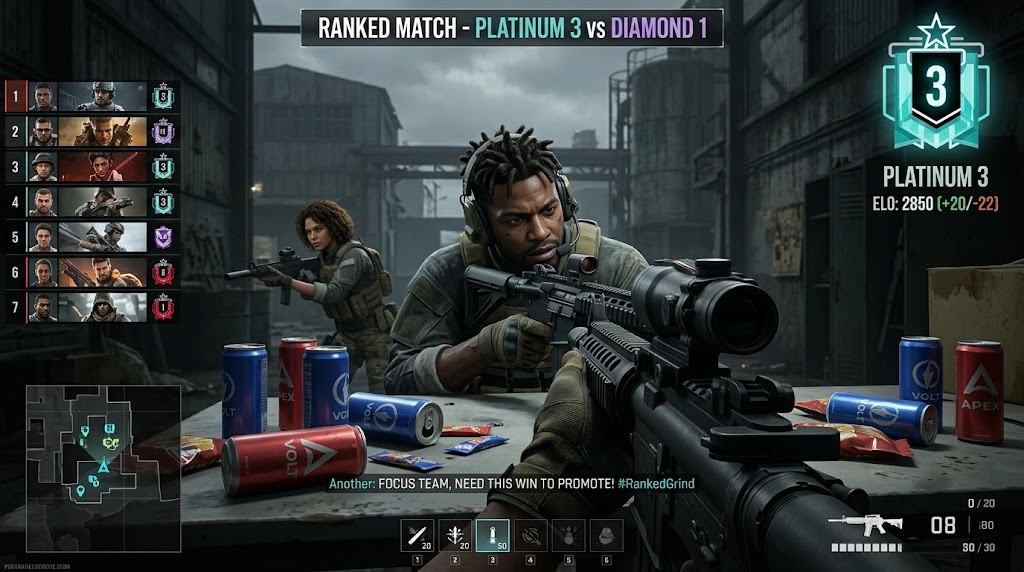
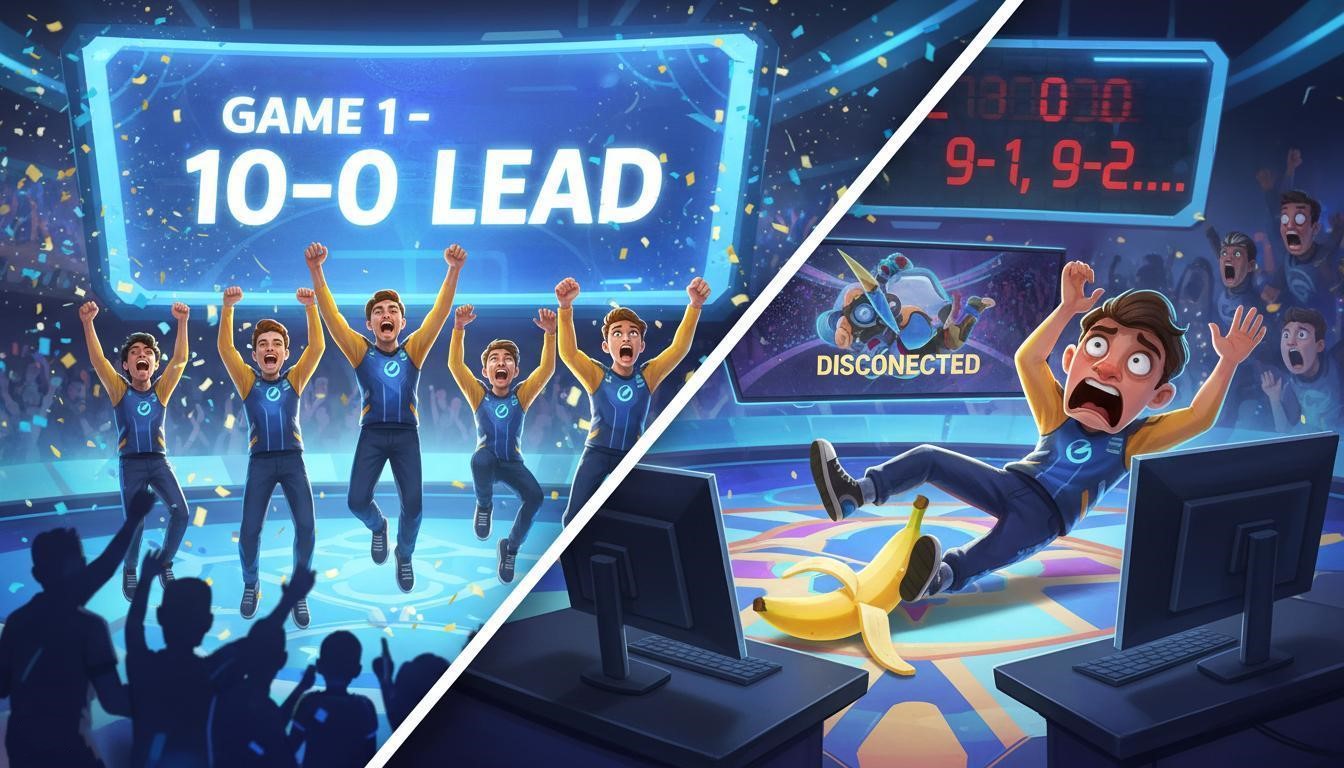
In gaming, ’throw’ means to lose a match that you were winning, usually by making a series of poor decisions or playing recklessly. It can be accidental (getting overconfident) or intentional (deliberately losing, also known as ’throwing’ the game).
Trajectory & Chronology
The term ’throw’ entered gaming vocabulary in the early 2000s, borrowed from sports terminology where ’throwing a game’ meant deliberately losing for some external benefit. In gaming, the meaning expanded to include both intentional and accidental losses of winnable matches. By the 2010s, ’throw’ had become standard across all competitive gaming genres. The rise of ranked matchmaking made ’throwing’ a particularly painful concept — losing a match you were winning could cost you ranking points and hours of progress. PlayStation’s 2026 Gaming Glossary defines throw as ’losing a match you were winning through poor decisions.'
GEBILAOWANG: This word perfectly captures a specific gaming experience that no other term does.
Socio-Cultural Gain
Throw represents one of the most emotionally painful experiences in competitive gaming: snatching defeat from the jaws of victory. The psychological impact of throwing is often worse than simply losing — you had the win in your hands and you let it slip away. This creates a unique social dynamic in team games. When a match is thrown, teammates look for someone to blame. The ’thrower’ becomes a target of frustration, even if the throw was a collective effort. The term also reveals interesting cultural differences. In Western gaming communities, ’throwing’ focuses on the act of losing a lead. In Korean gaming culture, similar concepts exist but with stronger emphasis on collective responsibility.
High-Fidelity Contextual Dialogues
Scene: League of Legends, losing a lead
Player A: “We were up 10k gold and we THREW.” Player B: “I got greedy for Baron. My bad.” Player C: “One bad call and the whole game is gone.”
Scene: Overwatch 2, overtime
Player A: “why did you push out of cover?!” Player B: “i thought i could get the pick” Player A: “we had point, we just needed to survive! absolute throw”
Scene: CS2, after a bad clutch attempt
Player A: “dude you had the 1v3 and you peeked into all three of them” Player B: “i choked, my aim was everywhere” Player A: “that was the biggest throw i’ve seen today”
Usage Examples
| Example | Tone |
|---|---|
| "Player A: "We were up 10k gold and we THREW."" | casual |
| "Player A: "why did you push out of cover?!"" | casual |
| "Player A: "dude you had the 1v3 and you peeked into all three of them"" | casual |
Origin & Spread
| Attribute | Detail |
|---|---|
| Origins | The term 'throw' entered gaming vocabulary in the early 2000s, borrowed from sports terminology where 'throwing a game' meant deliberately losing for some external benefit. In gaming, the meaning expanded to include both intentional and accidental losses of winnable matches. By the 2010s, 'throw' had become standard across all competitive gaming genres. The rise of ranked matchmaking made 'throwing' a particularly painful concept — losing a match you were winning could cost you ranking points and hours of progress. PlayStation's 2026 Gaming Glossary defines throw as 'losing a match you were winning through poor decisions.' |
Cultural Context
Throw represents one of the most emotionally painful experiences in competitive gaming: snatching defeat from the jaws of victory. The psychological impact of throwing is often worse than simply losing — you had the win in your hands and you let it slip away. This creates a unique social dynamic in team games. When a match is thrown, teammates look for someone to blame. The 'thrower' becomes a target of frustration, even if the throw was a collective effort. The term also reveals interesting cultural differences. In Western gaming communities, 'throwing' focuses on the act of losing a lead. In Korean gaming culture, similar concepts exist but with stronger emphasis on collective responsibility.
FAQ
Q: What's the difference between throwing and just losing?
'Losing' means the opponent was better. 'Throwing' means you had the win and lost it through your own mistakes.
Q: Is throwing always intentional?
No — most throwing is accidental. Players get overconfident, greedy, or complacent when they're winning.
Q: Why do people throw when they're winning?
Psychology studies suggest it's a combination of overconfidence, risk-taking, and complacency.
Q: How do I explain throwing to a non-gamer in one sentence?
"It's when you lose a game you were clearly winning by making bad decisions — like being up by three goals and then losing because you got overconfident."
Sources
- PlayStation — Ultimate Gaming Glossary (2026)https://www.playstation.com/en-us/editorial/playstation-ultimate-gaming-glossary/
- SpawnPoint Gaming Glossary — Gaming Terms and Slang Explained (2026 Edition)https://spawnpoint.be/gaming-terms-slang-glossary/
About the Author: This guide was compiled and written by GEBILAOWANG, an independent gaming culture researcher and lexicographer specializing in gaming slang, esports terminology, and online communication patterns. Contact: [email protected]