Socio-Cultural Gain
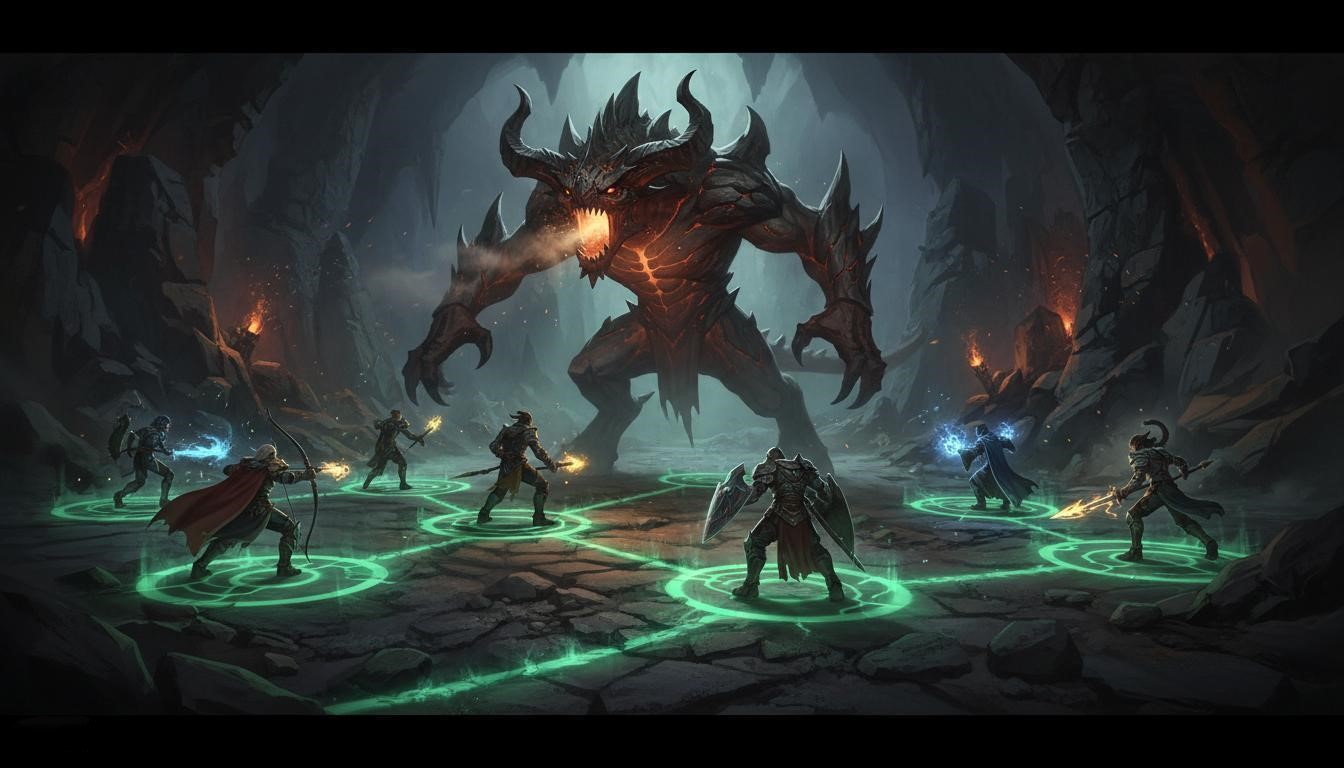
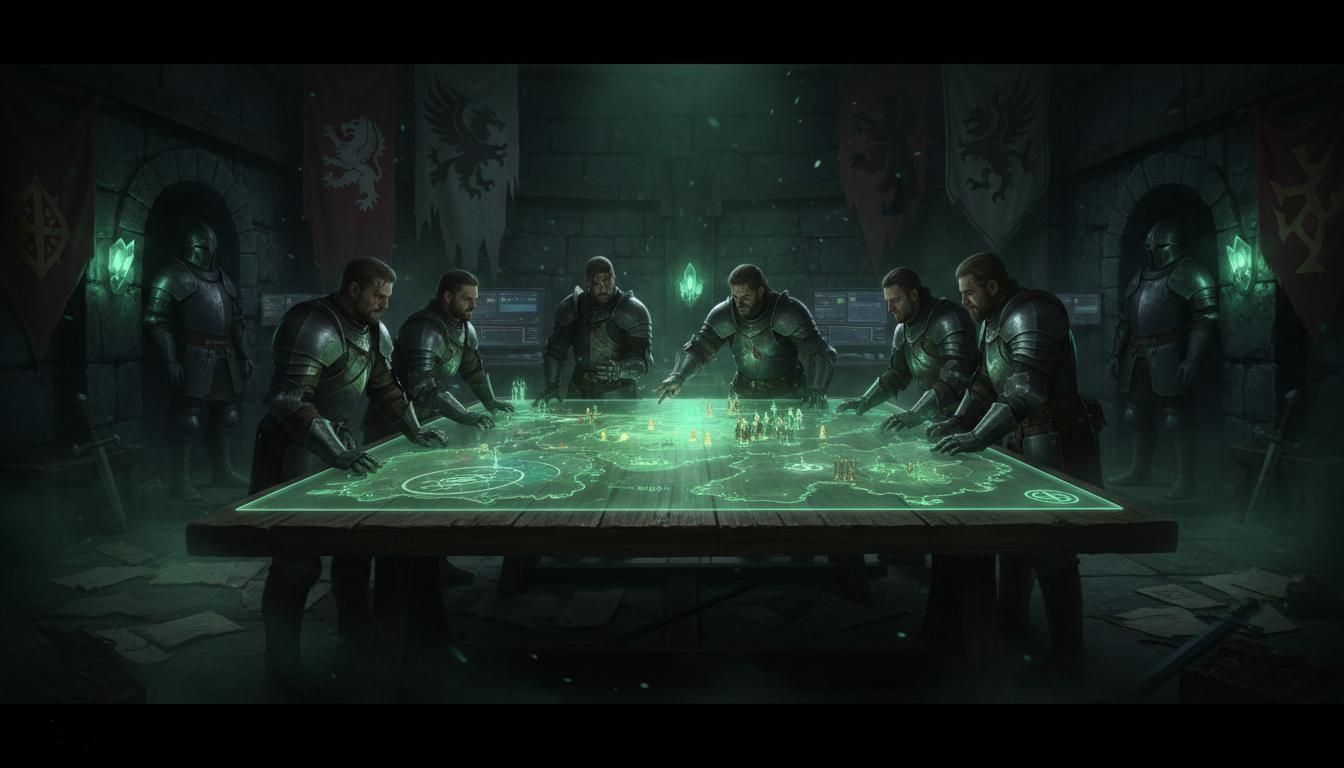
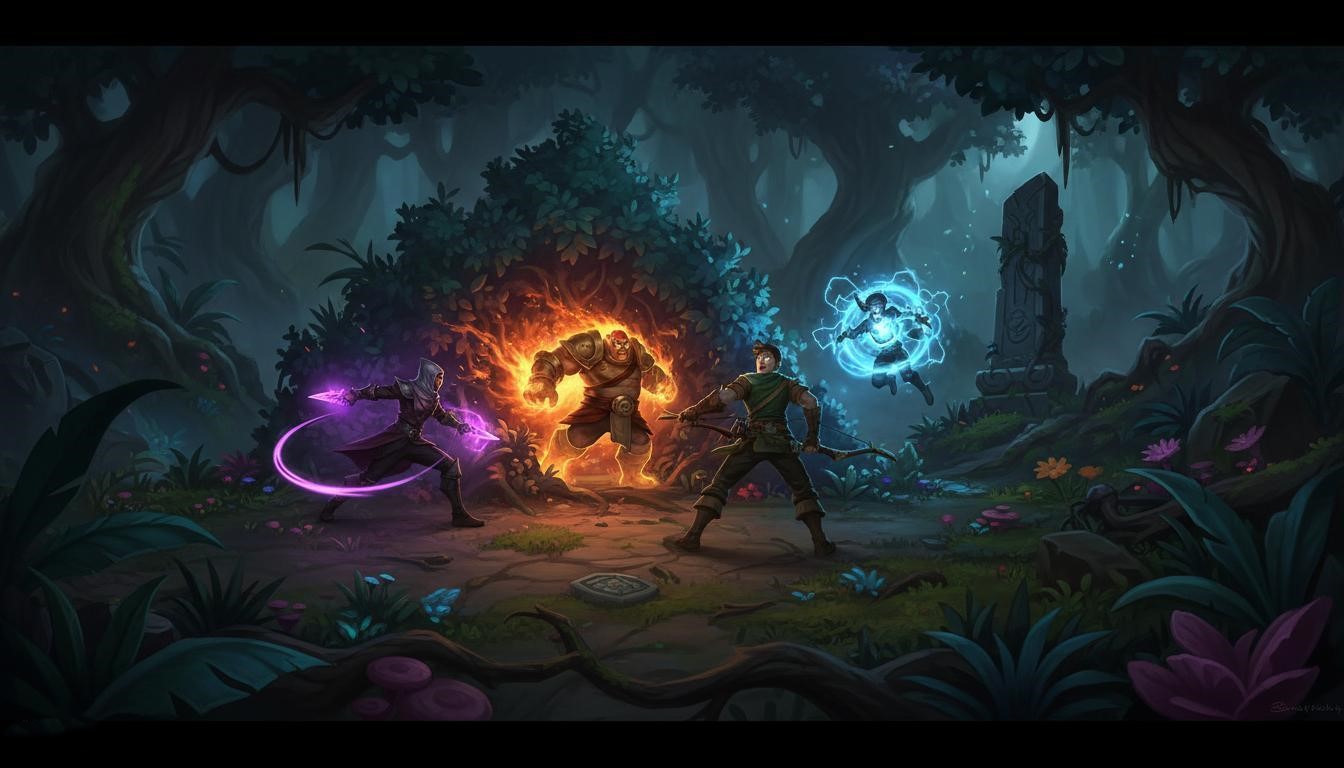
Your squad is more than just teammates — they’re your gaming family. In an era where many players spend more time with their squad than their real-life friends, the concept has taken on genuine emotional significance. “Squad up” isn’t just an invitation to play; it’s a call to hang out, catch up, and exist in a shared space. The social dynamics of a squad are fascinating — there’s usually the IGL (in-game leader), the fraggers, the support player, and that one guy who’s just there to make everyone laugh. A good squad sticks together through loss streaks and bad patches, while a toxic squad disbands after one bad game. The “squad” concept has transcended gaming into general youth culture — “that’s my squad” means “those are my people.”
GEBILAOWANG: A squad that stays together after a 10-game losing streak is stronger than most marriages tbh.
Trajectory & Chronology
“Squad” entered gaming vocabulary through military shooters in the early 2000s — games like Counter-Strike and Battlefield used “squad” as an official team designation, typically 4-6 players. The term’s military origins (a small group of soldiers) gave it an instant cool factor. By the early 2010s, “squad” had evolved from a formal team label to casual slang for “my group of gaming friends.” The battle royale explosion in 2017 — Fortnite, PUBG, Apex Legends — cemented “squad” as the default term for a 3-4 player team. Games literally had “Squad Mode” as a matchmaking option. In 2026, “squad” is universal across gaming, with the concept spawning derivatives like “squad wipe” (eliminating an entire enemy team), “squad goals” (aspirational team behavior), and “squad up” (the call to assemble).
High-Fidelity Contextual Dialogues
Scene: Reddit, r/apexlegends, looking for teammates
User1: “Solo queuing is actual hell, anyone need a third?” User2: “What rank?” User1: “Plat 2, IGL main” User3: “Got a duo already, need a fragger. You play aggressive?” User1: “I’ll push anything that moves and ask questions later” User3: “Perfect. Drop your Discord, let’s run some games” User2: “This is how every good squad starts — one Reddit post and zero vetting”
Scene: Post-match lobby, Call of Duty
Player1: “That was a rough one, we got dumpstered” Player2: “Yeah but did you see my 360 no-scope at the end?” Player1: “We lost 250-47, I don’t think a 360 changes much” Player3: “It changes EVERYTHING” Player1: “…I’m never solo queuing again. Squad up tomorrow?” Player2: “Same time, same suffering”
Scene: LAN tournament, crowd reactions
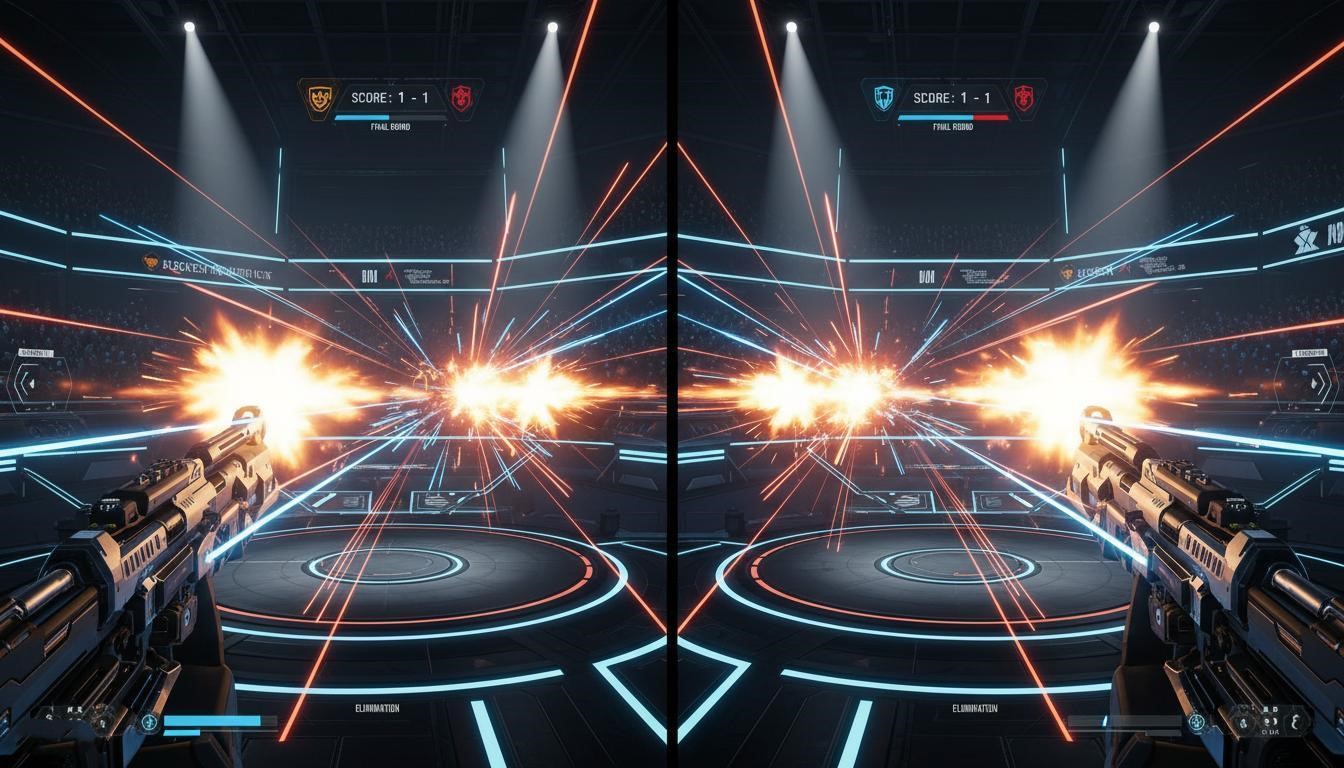
Crowd: “SQUAD WIPE! SQUAD WIPE!” Caster1: “They just took out the entire defending team!” Caster2: “That’s what happens when a squad has been playing together for three years — they move like one unit” Crowd: deafening cheers Player on stage: screams into mic “THAT’S MY SQUAD RIGHT THERE!”
FAQ
Q1: How many people are in a squad?
Depends on the game. Battle royales typically run 3-4 player squads. Military shooters like Squad (the game) go up to 9. Most team games it’s 4-5. But culturally, “squad” can be any group of friends you regularly play with — even if it’s just you and one other person.
Q3: Is having a squad better than solo queuing?
Usually, yeah. Communication is built-in, you know each other’s playstyles, and you’re less likely to get toxic randoms. The downside? If your squad isn’t good, you’re stuck with them. Solo queuing gives you a chance to get carried by random gods. Squads are for consistency, solo is for gambling.
Q2: What’s the difference between a squad and a clan?
A squad is casual — friends who play together. A clan is formal — an organized group with a name, rules, maybe even a schedule. Squads are “we vibe and play”; clans are “we practice on Tuesdays and Thursdays.” Most clans have multiple squads within them.
Q4: How do I explain squad to a non-gamer?
“In games like Fortnite or Apex, a ‘squad’ is your team of 3-4 friends who play together regularly. It’s like your pickup basketball crew, but digital. You know each other’s strengths, you have inside jokes, and you blame each other when you lose.”