Every new top laner learns split pushing the hard way. Usually by dying at the enemy’s tier 2 turret while their team loses a 4v5 and someone types “group?” in chat.
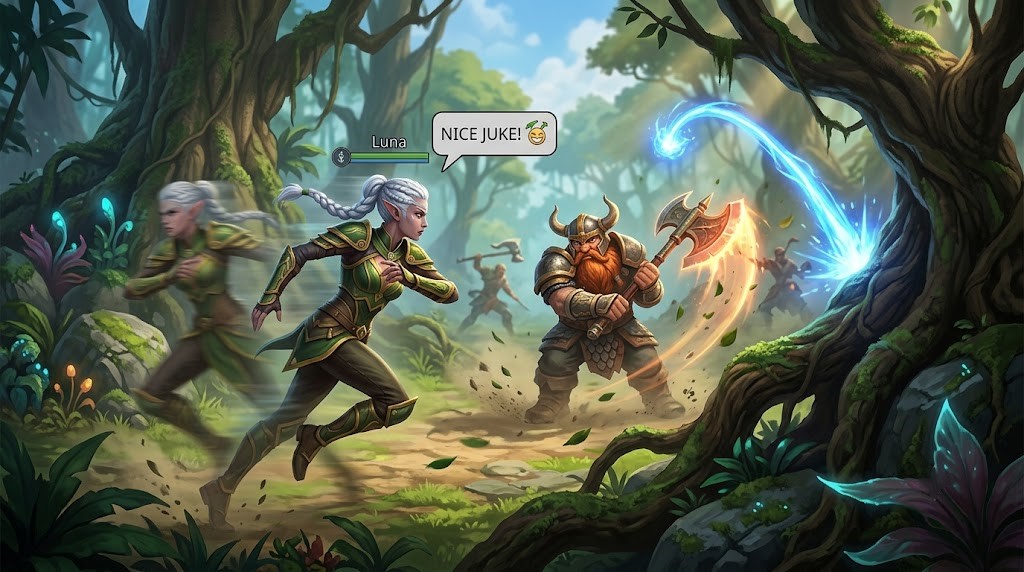
So what does split push mean in League, and in every MOBA since? You leave your team, push a side lane alone, and force the enemy to send people to stop you. If they send one, you beat them or back off. If they send two, your team takes something free on the other side of the map. That’s the trade. That’s the whole idea.
Where Split Push Came From
Where did split push come from? The idea is as old as the genre. Back in the DotA days it was called backdooring, sneaking towers while everyone else fought, and it was controversial enough that games eventually added backdoor protection to nerf it.
Early League of Legends turned it into a respectable strategy. Teleport on top laners. Champions like Tryndamere and Jax who win most 1v1s by design. Whole team comps built around the 1-3-1, with two players pressuring opposite side lanes at once. Korean pro teams in the mid-2010s made an art form out of it, winning maps without ever fighting 5v5.
The split push origin isn’t one single moment. It’s the genre slowly accepting a simple truth: towers don’t respawn, and people do. Trading deaths for structures is math, and the math favors the patient.
How You’ll Hear It Used
Textbook split push examples all sound like this:
35 minutes in, your team is dancing around mid:
“I’ll split bot, just don’t fight” team fights 4v5, team dies “I SAID don’t fight” “you’re never with the team” “that’s… literally the point?”
(spoken like a true support main — I’m the one spam-pinging retreat while our Tryndamere takes their inhibitor)
When it works, it’s beautiful. When your mid laner doesn’t get the memo, it’s a report and a twenty-minute argument.
Why Split Push Stuck Around
Why do players still default to this strategy after fifteen-plus years? Because it’s the purest way of making the enemy choose. Everything else in MOBAs is about winning a fight. This is about not fighting at all. You win by being a problem in two places at once.
It’s also weirdly meta-proof. Patches change which champions do it best, but the logic never gets nerfed. Towers still don’t move.
Here’s the rule that separates real split pushing from feeding, and it’s worth memorizing: if your team isn’t pressuring anything while you push, you’re not split pushing. You’re just overextending with extra steps. Two threats at once or it doesn’t count. One threat is a donation.
Most dedicated split pushers also build full damage, glass cannon style, because the entire job is killing towers and winning the 1v1 they send at you. If you can’t duel, you can’t split. Simple.
FAQ
Is split pushing just AFK farming with extra steps?
Nope. Split push vs overextending comes down to pressure. If nobody on the enemy team has to respond to you, you’re farming. If they have to send someone, you’re splitting. The difference is whether you’re creating a problem or just avoiding your team.
Which roles can split push?
Mostly top lane, since the champs there duel well and take towers fast. Late game, though, almost anyone with wave clear can do it. I’ve seen a fed ADC split push to close out games. Cursed, but legal.
What does split push mean in League of Legends specifically?
One player pressures a side lane while the rest of the team pressures something else, usually mid or an objective. The enemy can’t defend both, so you take whatever they abandon.
Can you split push in games besides League?
Absolutely. Dota 2 has rat Dota, Smite has split pushing, Heroes of the Storm had specialists built for it. Any game with lanes and structures eventually invents the guy who refuses to group.