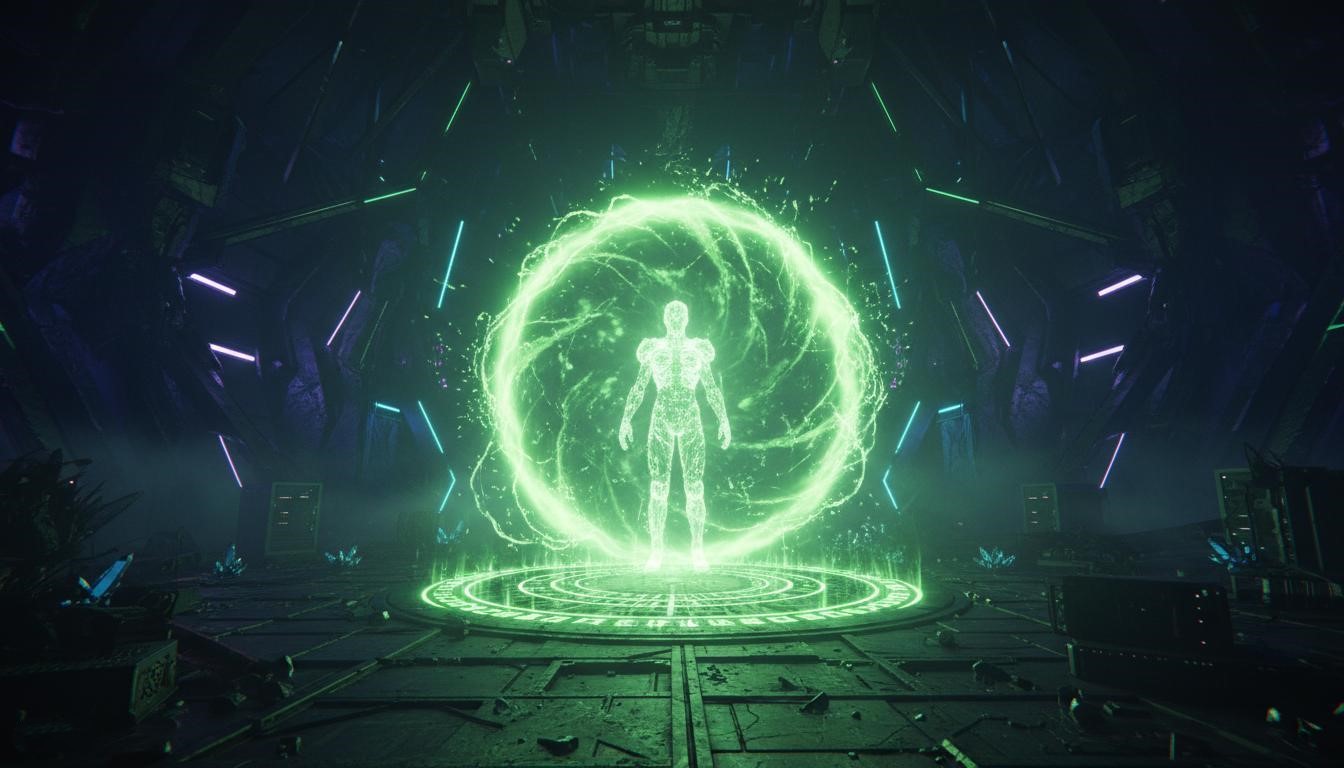
High-Fidelity Contextual Dialogues
Scene: Call of Duty, teammates warning each other
Player1: “They’re spawning behind us!” Player2: “Which side?” Player1: “B side, whole squad” Player2: “I’m turning around — yep, three of them” Player3: “Spawn trap engaged. Keep the pressure” Player1: “This is how you win Domination”
Scene: Minecraft, server chat
Player1: “Where did you spawn?” Player2: “Some jungle biome, middle of nowhere” Player1: “Lucky, I spawned in a desert with nothing” Player2: “Wanna meet up? I’ll share coordinates” Player1: “Give me 10 minutes to not die first”
Trajectory & Chronology
“Spawn” entered gaming terminology through Doom in 1993 — id Software used the word to describe when enemies appeared in the game world, borrowing from biology where “spawn” means to produce offspring. The metaphor was immediate and perfect: enemies are “born” into the level at designated points. By the late 1990s, “spawn” was standard FPS vocabulary, with “spawn point” referring to the exact location where players or enemies appear. The rise of online multiplayer in the early 2000s added “respawn” — the act of returning to the game after dying. Competitive players developed “spawn trapping” as a strategy: controlling areas so enemies spawn in predictable, vulnerable positions. In battle royale games, the initial drop location became known as the “spawn” — though technically players are falling from the sky, not spawning. In 2026, “spawn” is fundamental gaming vocabulary used across every genre.
GEBILAOWANG: Nothing worse than spawning directly into someone’s crosshair. Some games’ spawn logic feels personal — like the algorithm specifically chose to humiliate you.
Socio-Cultural Gain
Spawn mechanics are the invisible architecture of multiplayer gaming. Bad spawn systems create frustration; good ones create flow. The psychology of spawning is fascinating — there’s a brief moment of vulnerability right after you appear where you’re disoriented and defenseless. Good games protect this moment; bad games exploit it. “Spawn camping” — killing players immediately as they appear — is universally considered toxic behavior, yet it’s also a legitimate competitive strategy, creating an endless ethical debate. The concept of “spawn” has also entered broader internet culture — “spawned a million memes” means something created a cascade of derivative content. In 2026, understanding spawn systems is basic gaming literacy.
FAQ
Q1: What’s the difference between spawn and respawn?
“Spawn” is the initial appearance — when you first enter the game or level. “Respawn” is appearing again after dying. So you spawn once at the start, but you respawn multiple times throughout the match. Some games use “respawn” for both, which is technically incorrect but widely accepted.
Q2: What is spawn camping and why is it hated?
Spawn camping is when a player positions themselves to kill enemies immediately as they appear. It’s hated because the spawning player has zero chance to defend themselves — they’re basically free kills. Most games have spawn protection (brief invincibility) or spawn randomization to prevent it. It’s the gaming equivalent of punching someone before they’ve gotten out of bed.
Q4: How do I explain spawn to a non-gamer?
“In video games, ‘spawn’ is where a character appears in the game world. When you start a level, you ‘spawn’ at a specific point. When you die and come back, you ‘respawn.’ It’s like being teleported into the game at a designated spot.”