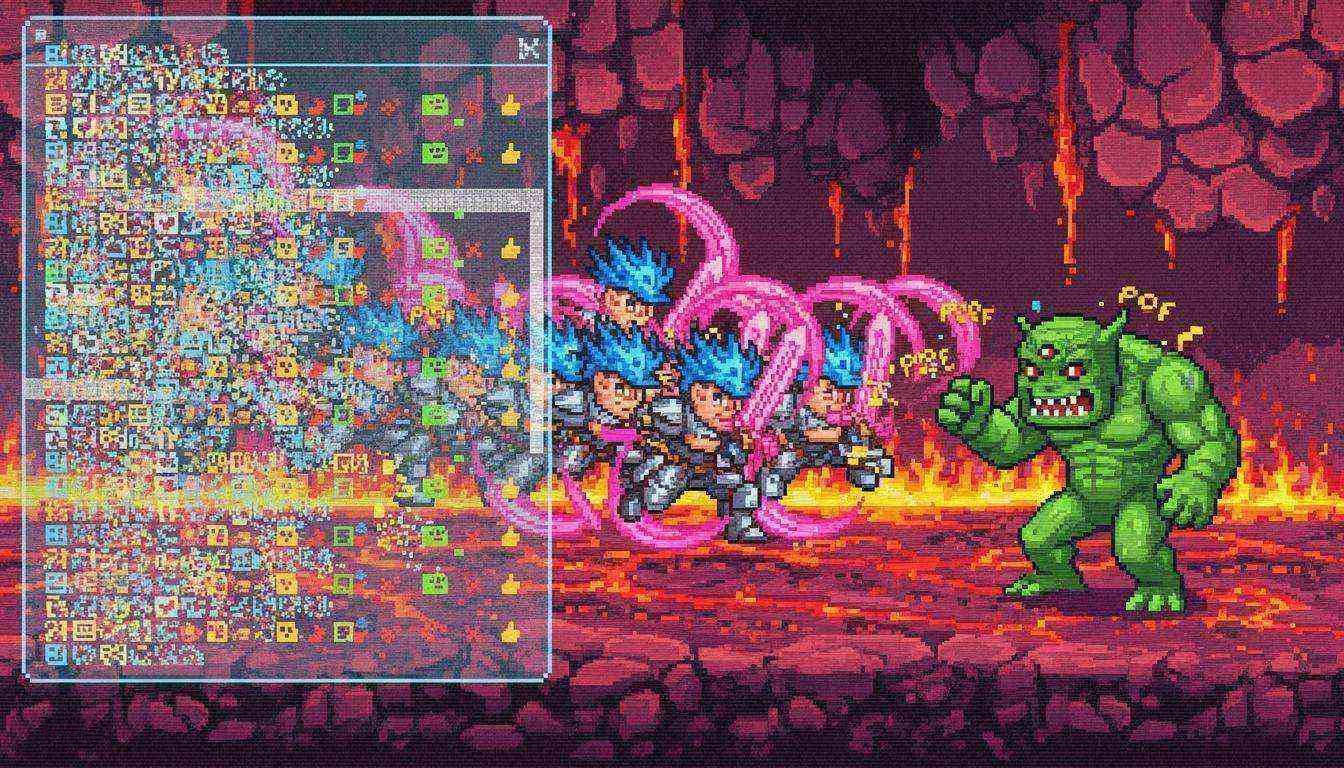
Trajectory & Chronology
Spam’s journey to gaming slang started with food. The canned meat product “Spam” (Short for “Spiced Ham”) was created by Hormel in 1937. Its cultural moment came from a 1970 Monty Python sketch where a café serves nothing but Spam-containing dishes, and Vikings chant “Spam, Spam, Spam” drowning out all conversation. This sketch gave the word its modern connotation: unwanted, repetitive noise that overwhelms everything else.
In the early 1990s, internet culture adopted “spam” to describe unsolicited mass emails. Usenet users in 1993 started calling excessive cross-posted messages “spam” directly referencing the Monty Python sketch — the messages were repetitive, unwanted, and drowned out actual discussion. By the mid-1990s, “spam” was the standard term for all unwanted electronic communication.
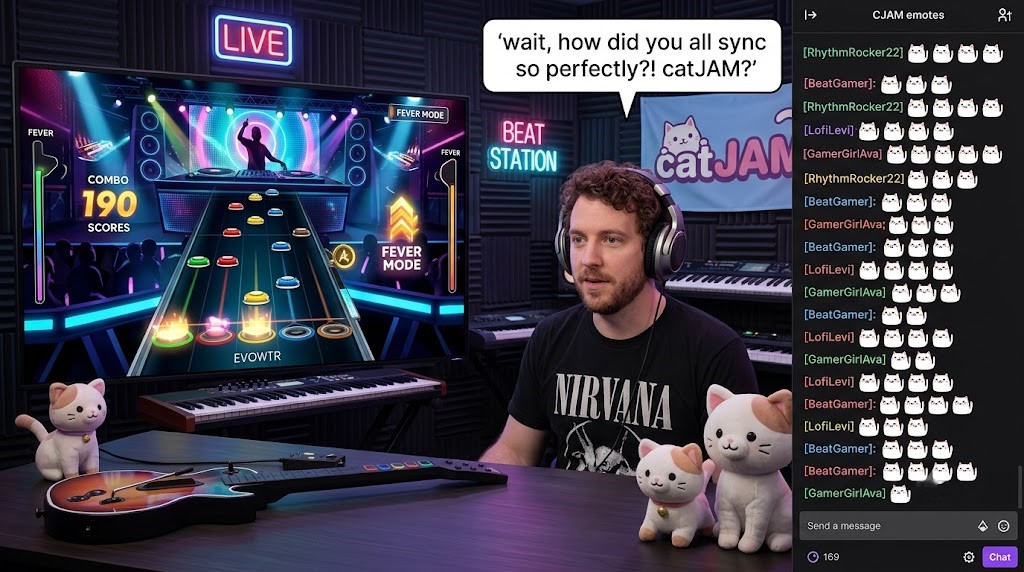
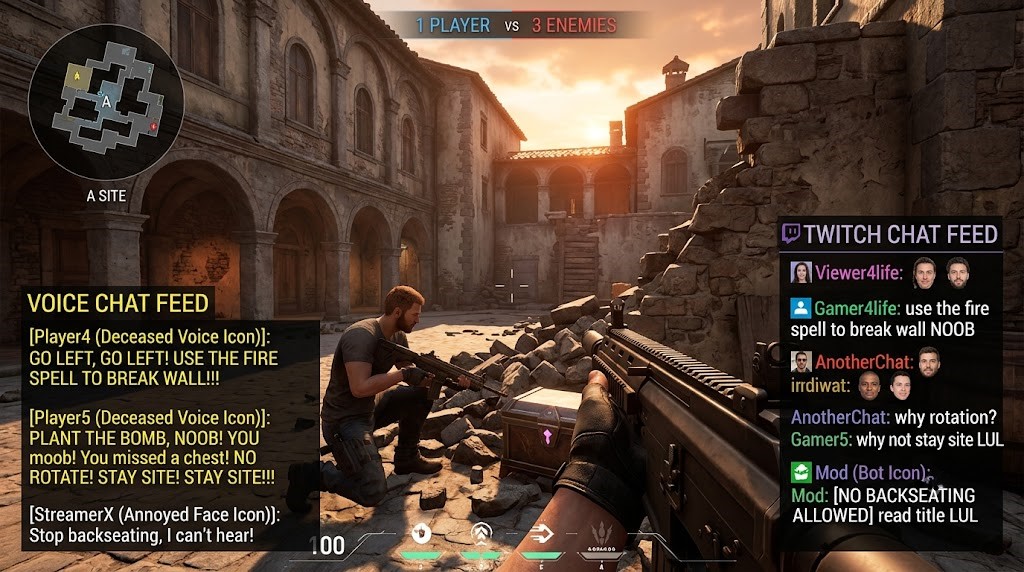
Gaming adopted “spam” in the late 1990s and early 2000s through two parallel paths. In chat, spam meant flooding the chat window with repeated messages — “WWWWWW” or “gggggggg” or copy-pasted text. In gameplay, spam described repeatedly using the same move or ability regardless of whether it was the optimal choice. Fighting games were particularly associated with “move spamming” — players who used one attack over and over.
By the 2010s, “spam” had expanded to cover virtually any repetitive gaming behavior. In MOBAs, “spamming abilities” meant using skills on cooldown without strategic thought. In FPS games, “spam” described firing through walls or into common areas without seeing enemies. In card games, “aggro spam” decks played cheap cards as fast as possible.
In 2026, spam is one of gaming’s most versatile negative terms. It describes bad gameplay (ability spam), bad chat behavior (message spam), and bad strategy (one-trick spam). The term carries mild disapproval — calling someone a “spammer” is an insult, but not a serious one. Many players jokingly embrace the label (“I’m a Pyro spammer and proud of it”).
GEBILAOWANG: Spam is the laziest strategy that somehow works. If it didn’t work, people wouldn’t do it. But it works, so we all complain about it.
High-Fidelity Contextual Dialogues
Scene: Fighting game match
Player1: “Stop spamming fireballs” Player2: “Stop walking into them” Player1: “That’s not the point, learn a combo” Player2: “My combo is fireball, fireball, fireball”
Scene: Twitch chat, fast mode
Chat: “Pog” Chat: “POGGERS” Chat: “POG” Chat: “POGGGGG” Moderator: “Please don’t spam” Chat: “not spamming” Chat: “this is enthusiasm”
Scene: Discord voice, during a match
Player1: “Why do you keep using that ability?” Player2: “It does damage” Player1: “Yes but you’re missing 80% of the time” Player2: “The 20% I hit does a lot though” Player1: “That’s not strategy, that’s spam” Player2: “Tomato tomahto”
FAQ
Q1: Is spamming always bad?
Not necessarily. In competitive gaming, if a strategy works, it’s valid — even if it’s repetitive. Professional players will “spam” the most effective strategy if it wins. The disapproval usually comes from the opponent’s frustration, not from any actual rule violation. However, chat spam is generally considered toxic because it disrupts communication for everyone. Most games have anti-spam measures in chat (rate limiting, auto-mute).
Q2: What’s the difference between spamming and having a main?
A “main” is a character you specialize in because you enjoy their playstyle and have deep knowledge of them. A “spammer” is someone who uses one strategy regardless of whether it fits the situation. The difference is adaptability — a main player can adapt to different matchups; a spammer does the same thing every time. The line can be blurry, and the terms are often used subjectively (someone you beat is a main, someone who beats you is a spammer).
Q3: Why do people spam in chat?
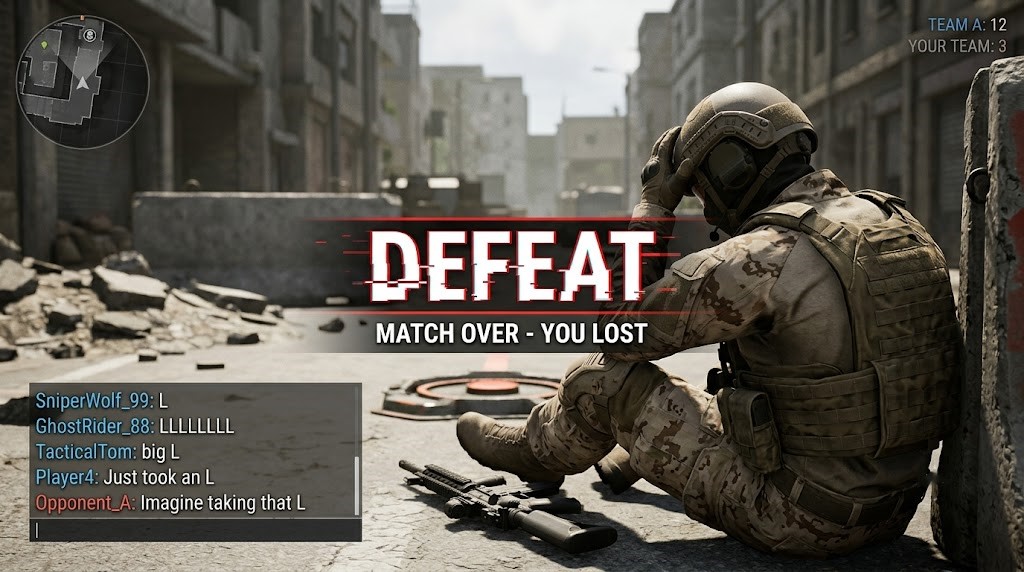
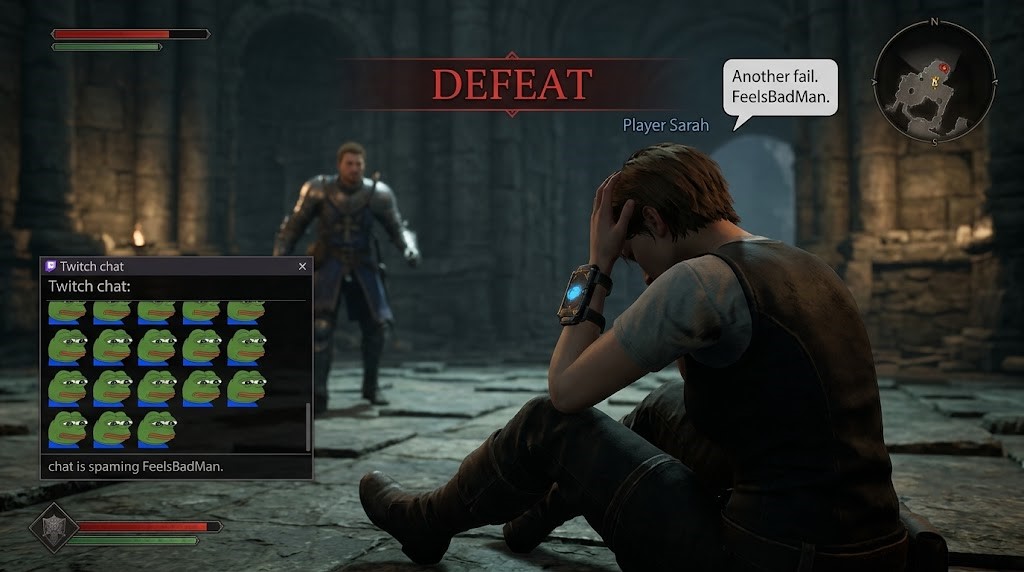
Chat spam serves multiple social functions in gaming. Sometimes it’s pure excitement (spamming “Pog” when something amazing happens). Sometimes it’s mockery (spamming “L” when someone loses). Sometimes it’s community bonding (chat spamming the same emote together). And sometimes it’s just boredom. Moderators generally tolerate excitement spam but crack down on harassment spam.