“Rat” in gaming — specifically battle royales — is both a strategy and an insult. It describes a player who avoids fights, hides in corners, and prioritizes survival over engagement to climb the ranked ladder. Love it or hate it, ratting works.
Trajectory & Chronology
The term “rat” as a gaming insult emerged from the Apex Legends community around 2019-2020, during the game’s early ranked seasons. The game’s ranked system awarded significant points for placement (survival position), creating a powerful incentive to avoid fights and simply outlast opponents. Players who adopted this strategy were derisively called “rats” — comparing them to rodents that scurry and hide to survive. The term quickly spread to other battle royales including Fortnite and Call of Duty: Warzone, where similar ranked systems existed. By 2022, “rat” had become standard BR vocabulary, with distinctions emerging between “hard rat” (zero engagement, pure hiding) and “soft rat” (strategic avoidance with selective fights). The culture around ratting evolved dramatically: initially purely an insult, it became recognized as a legitimate ranked strategy, especially in high-level lobbies where third-party engagements are devastating. In 2026, “rat” is both an insult and a tactical descriptor — its meaning depends entirely on context and tone.
GEBILAOWANG: Be a rat when you need to be. Just don’t forget how to be a predator too.
High-Fidelity Contextual Dialogues
Scene: Apex Legends ranked, endgame
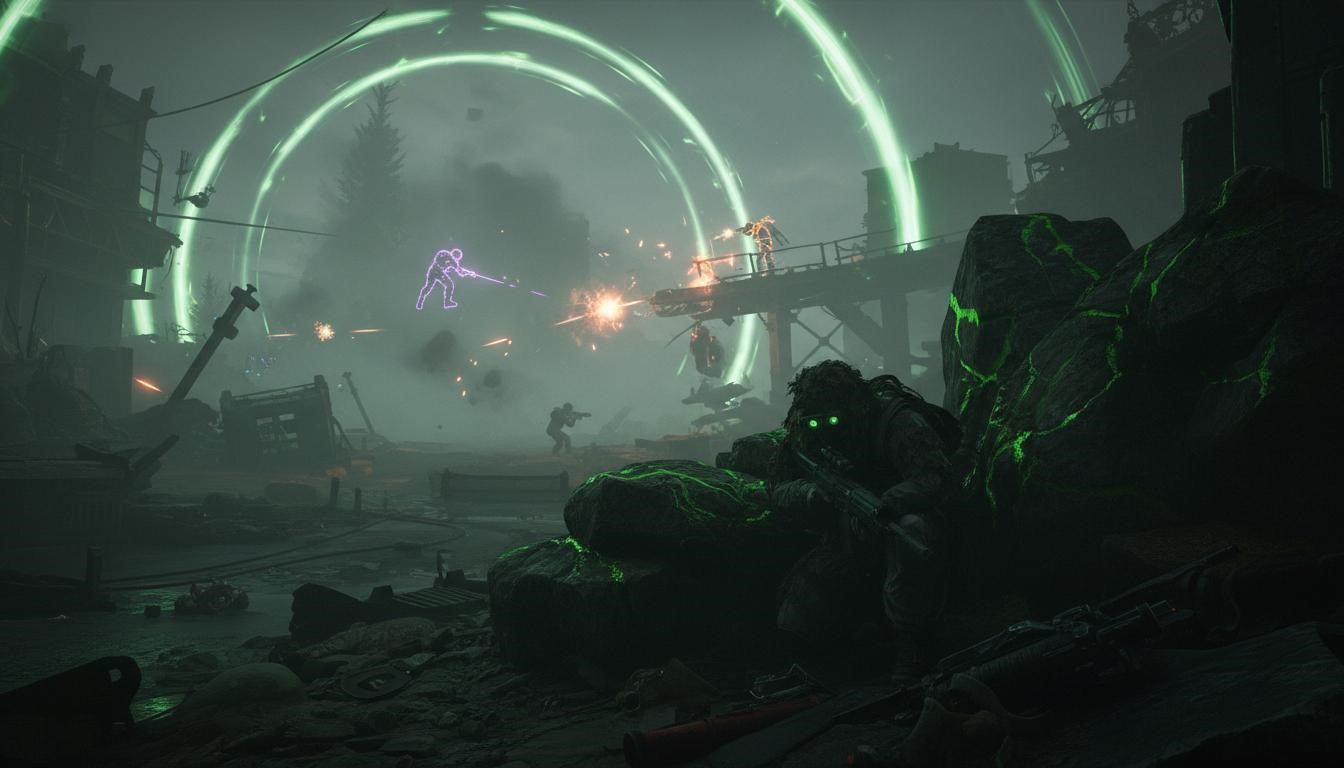
Player A: “That team is just ratting, check the buildings.” Player B: “I’m checking…” Player B: “Found him. Corner of the building, crouched behind a box.” Player A: “Classic rat spot.” Rat: gets killed Player A: “Rat eliminated.”
Scene: Explaining why you hid
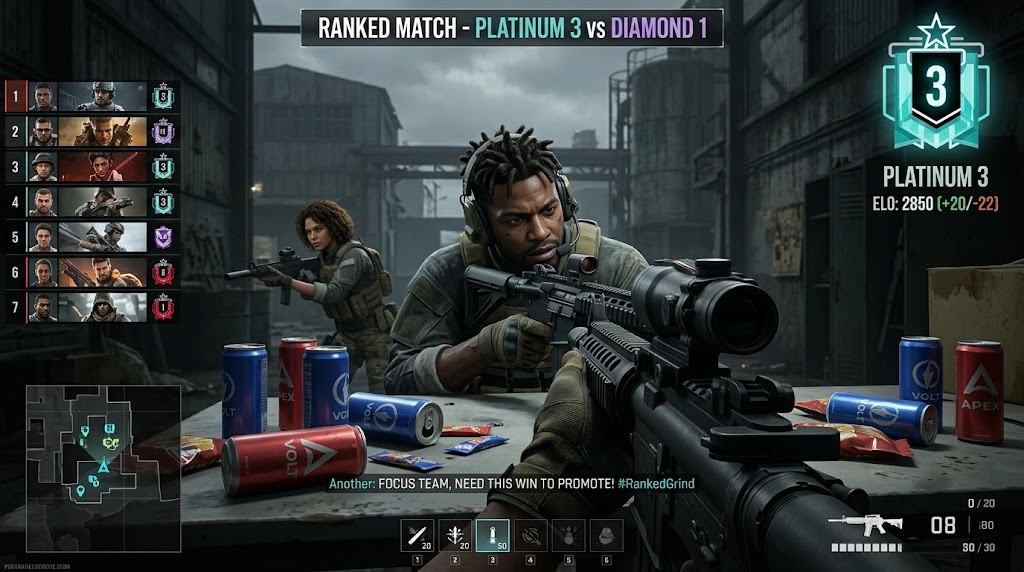
Player A: “I had to rat, both my teammates died off drop.” Player B: “How long did you hide?” Player A: “Fifteen minutes. I got to top 3.” Player B: “+36 RP for hiding. That’s efficient.” Player A: “It’s not hiding, it’s strategic survival.” Player B: “You were in a bush.”
Scene: Teammate frustration
Player A: “Stop ratting and help us fight!” Player B: “I’m not ratting, I’m repositioning.” Player A: “You’ve been ‘repositioning’ in that building for five minutes.” Player B: “…fine. I’m pushing.” immediately dies Player B: “Okay, I should have kept ratting.”
Scene: Ranked grind justification
Player A: “I just need +36 RP for Masters. I’m ratting this one.” Player B: “Understandable. I’ll try to survive with you.” Player A: “No offense, but you’re loud. I’ll rat better alone.” Player B: “Rude but fair.”
Scene: Post-game analysis
Player A: “How did we lose to a solo?” Player B: “He was ratting the whole game, got third party cleanup kills.” Player A: “So he won by doing nothing?” Player B: “He won by being the last team alive. That’s the game.” Player A: “I hate this game.”
Socio-Cultural Gain
The “rat” embodies one of gaming’s most divisive philosophical debates: is the goal to win (by any means) or to win impressively? This tension sits at the heart of competitive gaming culture. Ratting challenges the valorization of aggressive play — it suggests that patience, positioning, and survival are equally valid skills. The term’s evolution from pure insult to tactical descriptor reflects a maturing community that recognizes multiple paths to victory.
Culturally, “rat” has become a way to discuss playstyles and priorities. Calling someone a “rat” isn’t just about their current behavior — it implies a certain mindset: risk-averse, patient, willing to sacrifice fun for points. This has created an identity around ratting, with some players embracing the label and others defending it as “smart play.” The concept has also spawned vocabulary: “rat spots” (hidden locations), “ratting it out” (playing for placement), and the self-aware “I’m not ratting, I’m playing macro” (the rat’s favorite excuse). The term’s staying power comes from its perfect balance of accuracy and bite — rats really do hide and scurry, and calling someone one captures both the behavior and the contempt for it.
Camp — Similar concept, more stationary. Third party — What rats often wait for. Placement RP — The points that motivate ratting.
FAQ
Q1: Is ratting a legitimate strategy?
A: In ranked battle royales, absolutely. The game rewards placement, so surviving is a valid path to ranking up. However, relying exclusively on ratting limits your skill development — you won’t improve at fighting if you never fight. Most high-level players use ratting situationally (solo queue, bad loot, bad teammates) rather than as a primary strategy.
Q2: How do I counter a rat?
A: Check common hiding spots — corners, buildings, zone edges. Use legend abilities that reveal enemies (Bloodhound scan, Seer ult, Crypto drone). Listen for subtle sounds. Throw grenades into likely hiding spots. Most importantly, remember they have to move eventually — zone closure forces rats out of hiding.
Q3: Why is ratting considered bad in some situations?
A: Ratting becomes problematic when: you have a full squad and full loot but still hide every fight; you rat every single match and never improve; you abandon teammates to hide alone; or you rat in early game when engagement is expected. Context matters — ratting as a last resort is smart; ratting as a lifestyle is limiting.