Trajectory & Chronology
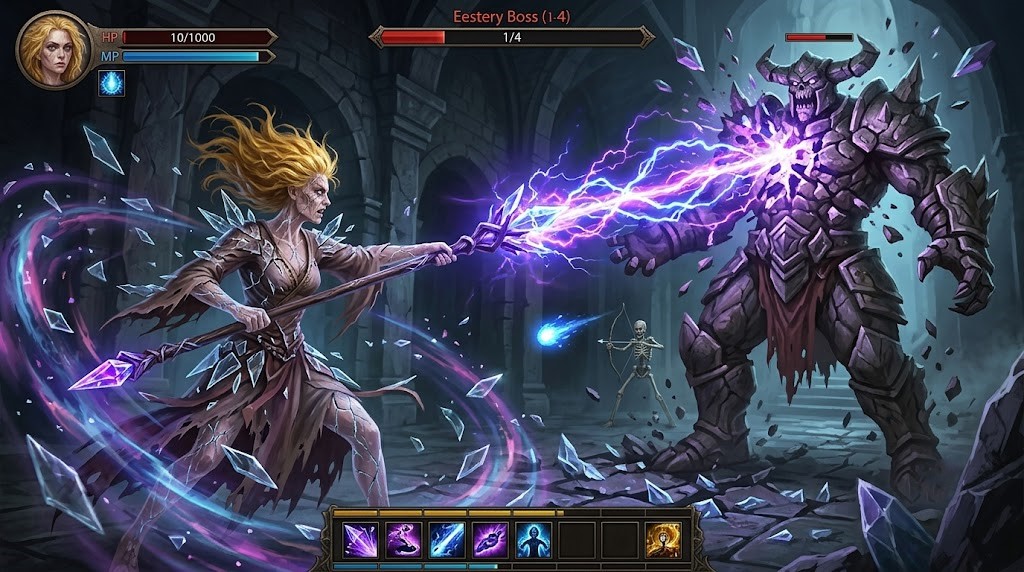
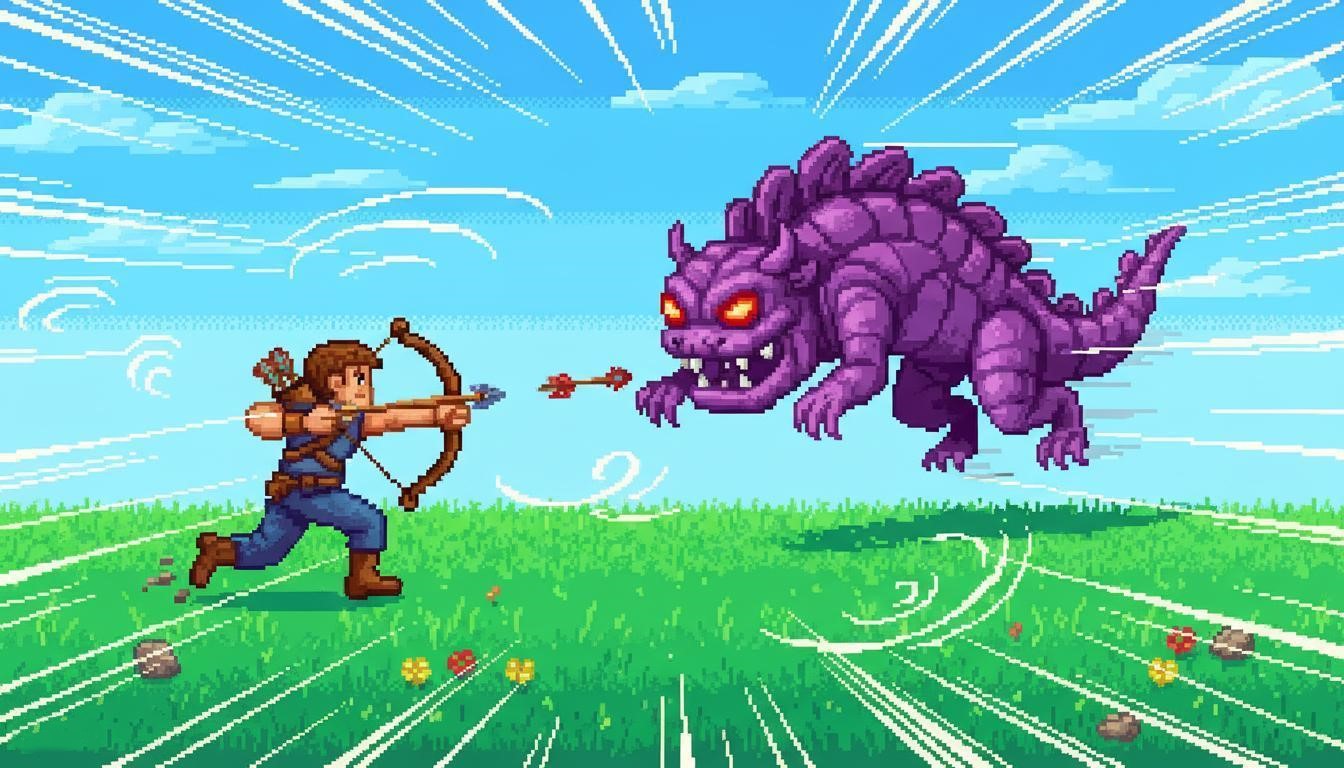
“Raid” entered gaming terminology from its military definition — a sudden attack on an enemy position — and was first used in MUDs (Multi-User Dungeons) in the 1980s to describe group attacks on powerful NPCs. But it was EverQuest in 1999 that truly established the “raid” as we know it today: massive 40+ player encounters against world bosses that required weeks of preparation and coordination. World of Warcraft (2004) refined and popularized the concept, turning raiding into the endgame activity for millions of players. WoW’s raid tier system — Normal, Heroic, Mythic — became the industry standard. The 2010s saw raids evolve beyond MMOs: Destiny introduced “raid-likes” to shooters, requiring FPS skills alongside MMO coordination. In 2026, “raid” is used across RPGs, shooters, and even mobile games — though the original meaning (large-scale, high-difficulty, cooperative PvE) remains intact.
GEBILAOWANG: Raids are where gaming friendships are tested. Six hours of wiping on the same boss either makes your squad unbreakable or destroys it completely. There’s no middle ground.
High-Fidelity Contextual Dialogues
Scene: Discord, raid night, World of Warcraft
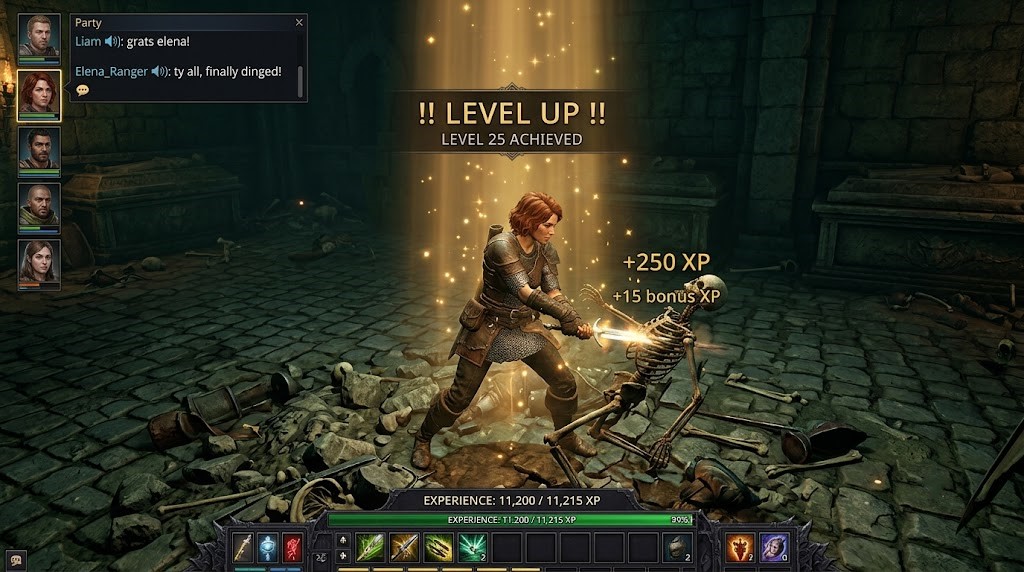
Raid Leader: “Alright, pull in 10 seconds. Everyone buffed?” Healer: “I’m oom from the last attempt, need 30 seconds” Raid Leader: “We wait. Tanks, positioning check” Tank1: “Boss is facing north, cleave zone marked” DPS1: “Can we PLEASE not have someone stand in fire this time” Raid Leader: “That’s the dream. Pulling in 5, 4, 3…”
Scene: Destiny 2, raid with randoms
Player1: “I’ve never done this raid before” Player2: “No worries, we’ll teach you” Player3: “The mechanics are simple: stand on plates, shoot things, don’t die” Player1: “…that sounds harder than it should be” Player2: “It is. That’s why it’s fun” Player3: “First wipe incoming in 3… 2… 1…”
Scene: Twitch chat, watching world first race
Chat: “THEY’RE ON FINAL PHASE” Chat: “1% HEALTH” Chat: “DON’T WIPE DON’T WIPE” Streamer: “THEY GOT IT! WORLD FIRST!” Chat: “PogChamp” Chat: “3 DAYS OF NONSTOP RAIDING” Chat: “THE DEDICATION”
Socio-Cultural Gain
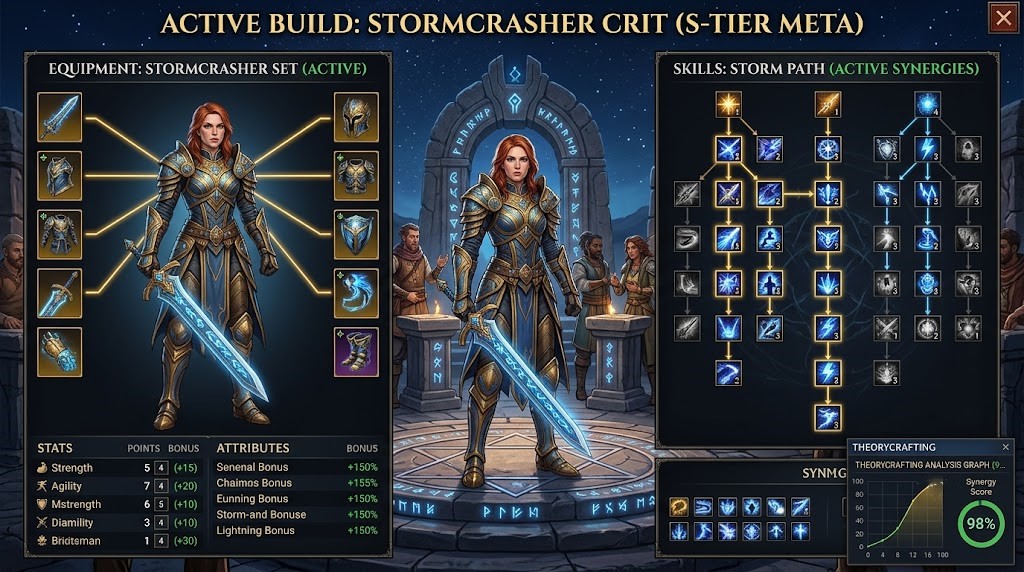
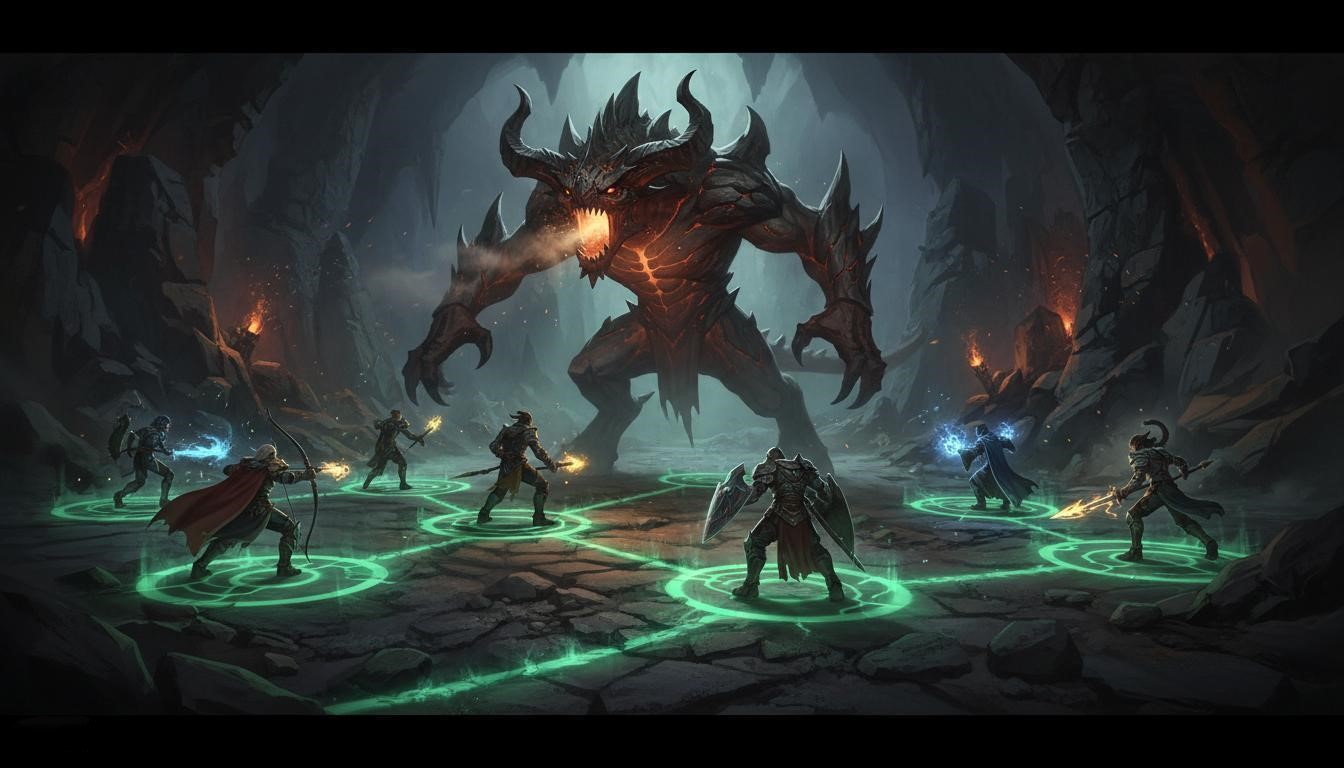
Raids represent the pinnacle of cooperative gaming — the moment where individual skill matters less than group coordination. The social dynamics of a raid group are fascinating: you need tanks (leaders who take hits), healers (supporters who keep everyone alive), and DPS (damage dealers who focus purely on output). This role-based structure mirrors real-world team dynamics and has been studied by organizational psychologists. Raiding also creates unique emotional experiences: the euphoria of a first clear after weeks of attempts, the frustration of a 1% wipe, the bonding that happens during long raid nights. “Raid night” has become a scheduled social event for many gaming friend groups — less about the game and more about hanging out with a shared goal. In 2026, raiding remains one of gaming’s most compelling social experiences.
FAQ
Q2: How many people do you need for a raid?
Traditional MMO raids are 8-40 players depending on the game. WoW’s modern raids are 10-30 flexible. Destiny raids are 6 players. The trend has been toward smaller raid sizes for accessibility, but hardcore players still miss the massive 40-player epics of the early MMO era.
Q1: What’s the difference between a raid and a dungeon?
A dungeon is a smaller, shorter cooperative experience — usually 3-5 players, 30-60 minutes. A raid is bigger, harder, and longer — 6-40 players, multiple hours, complex mechanics. Dungeons are the appetizer; raids are the main course. You run dungeons to gear up for raids.
Q3: Are raids still popular in 2026?
Yes, though the format has evolved. Modern raids are more accessible — matchmaking, difficulty tiers, and shorter time commitments. But the core appeal remains: coordinating with friends to overcome a massive challenge. Games like Final Fantasy XIV and Destiny 2 have kept raiding culture vibrant and healthy.
Q4: How do I explain raid to a non-gamer?
“In games like World of Warcraft, a ‘raid’ is a massive team mission where 6-30 players work together to defeat extremely powerful enemies. It requires coordination, specialized roles, and often takes hours to complete. Think of it like a heist movie where everyone has a specific job, and if one person messes up, the whole plan fails.”