Two kinds of gamers exist: the ones who see another player and immediately want to fight them, and the ones who see another player and immediately want to leave the area. PvP is built for the first kind. The second kind learns the term the hard way.
Where PvP Came From
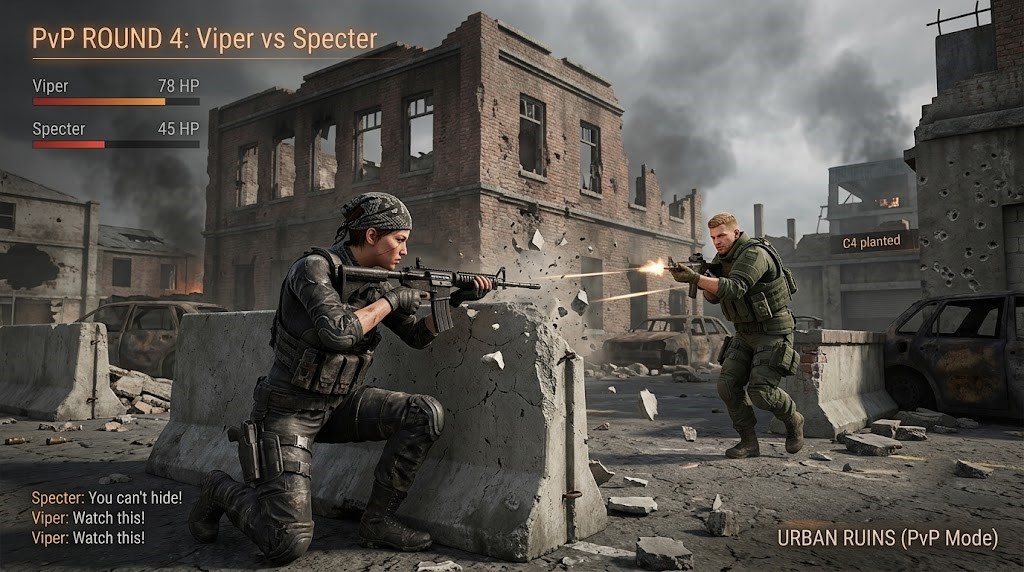
PvP stands for player versus player: any mode, system, or fight where your opponent is a human instead of the game’s AI. The term is as old as online multiplayer itself, but it became essential vocabulary in the early MMO era. Games like Ultima Online let players attack each other anywhere, and the community suddenly needed language for that reality. “This zone is PvP” meant “that guy over there can actually kill you.”
World of Warcraft turned it into a menu choice by splitting its servers into PvP and PvE types, and from there the acronym settled into every genre. Shooters, MOBAs, card games, fighting games. Cambridge now lists it officially as a gaming abbreviation, which is about as mainstream as a term gets. Its mirror image is PvE, player versus environment, sometimes called PvC, where the monsters belong to the code instead of to somebody’s sweaty hands.
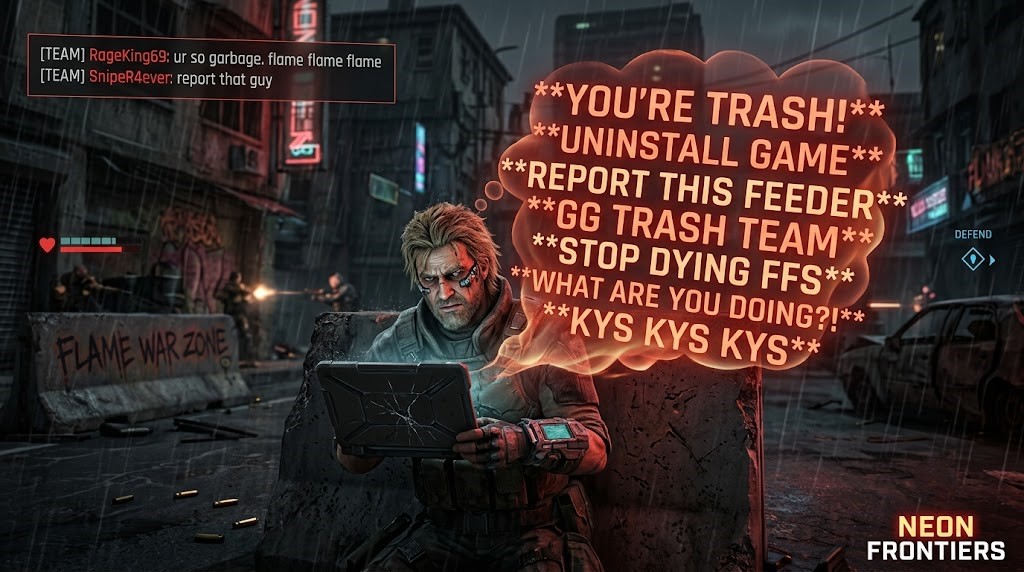
Covering competitive games for a living, I can confirm the acronym also does quiet diplomatic duty. Casters say “PvP action” when they mean “these two teams are about to make it personal.” (It always gets personal.)
What PvP Sounds Like In-Game
Open world, MMO, two strangers meeting on a road:
“please don’t flag please don’t flag” “he’s turning around. HE’S TURNING AROUND” “why is he emoting at me” “that’s not an emote. RUN.”
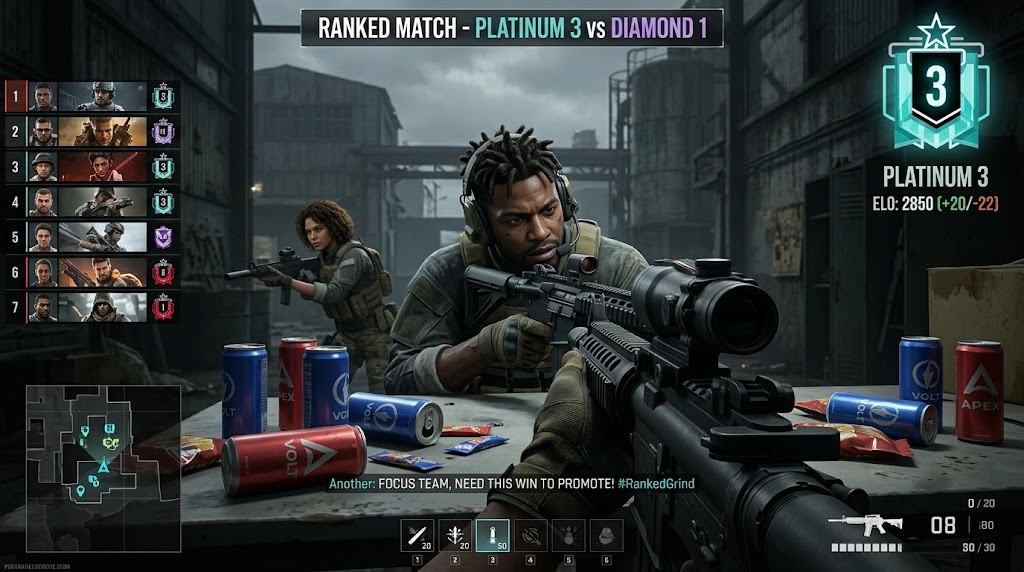
Ranked lobby, before an arena match:
“It’s just PvP, relax.” “Last time you said that we lost in forty seconds.” “That was a learning experience.” “We learned to lose in forty seconds.”
Every Discord debate, forever:
“PvE is where the real skill is. Try doing a flawless raid.” “Cool. Can the raid boss adapt? Can it tilt? Can it clutch?” “…no.” “Then it’s practice. PvP is the exam.”
The Legacy of PvP
PvP is the reason esports exists. Every tournament, every broadcast, every rivalry storyline is just organized PvP with production value. Strip the acronym down and it’s the entire pitch: your opponent is a person, with a brain, with pride, with the ability to adapt and get revenge. That’s the hook no AI opponent has ever matched.
It also escaped gaming into a weird second life as a metaphor. People call competitive work meetings “pure PvP” now. Group chats label arguments “going PvP mode.” The meaning survives the jump because everyone understands the core idea: this stopped being cooperative the moment someone made it personal.
Here’s the litmus test I use, and it has never failed me: if the thing on the other end can trash-talk you back, it’s PvP. If it can’t, you’re doing PvE with extra steps.
FAQ
Is PvP the same as PvE?
Opposite concepts. PvP means you fight other players. PvE means you fight the game itself: monsters, bosses, AI-controlled enemies. Most big online games offer both, and most players have a strong preference they will defend at length. Neither side is wrong. The PvP side is just louder.
Is PvP the same as multiplayer?
Not exactly. Multiplayer just means multiple humans in the same game. Co-op raids are multiplayer but PvE. PvP specifically means the humans are fighting each other. All PvP is multiplayer, but plenty of multiplayer is entirely peaceful. Well. Mostly peaceful.
Why do some players refuse to touch PvP?
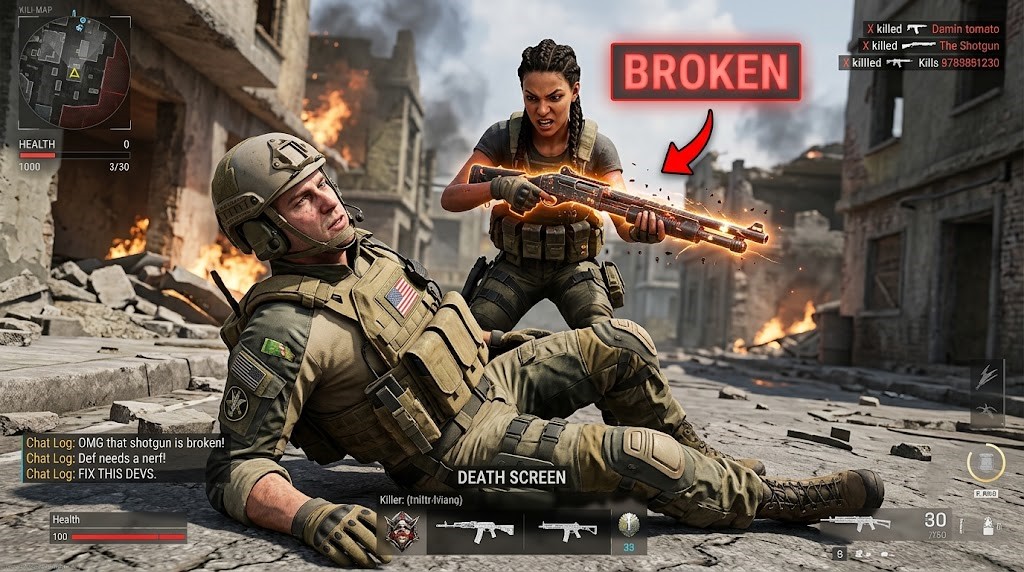
Because losing to a person stings differently than losing to a boss. There’s no difficulty slider, no pattern to memorize, and the winner might emote on your corpse. Some players find that stressful. Others find it to be the entire point. Both groups are correct about their own hearts.
How do I explain PvP to someone who doesn’t game?
“It’s the difference between playing chess against the computer and playing chess against your brother. Same board. Completely different emotional damage.” Every noob figures out which one they prefer eventually. Usually in a solo queue lobby at 1 AM.