Trajectory & Chronology
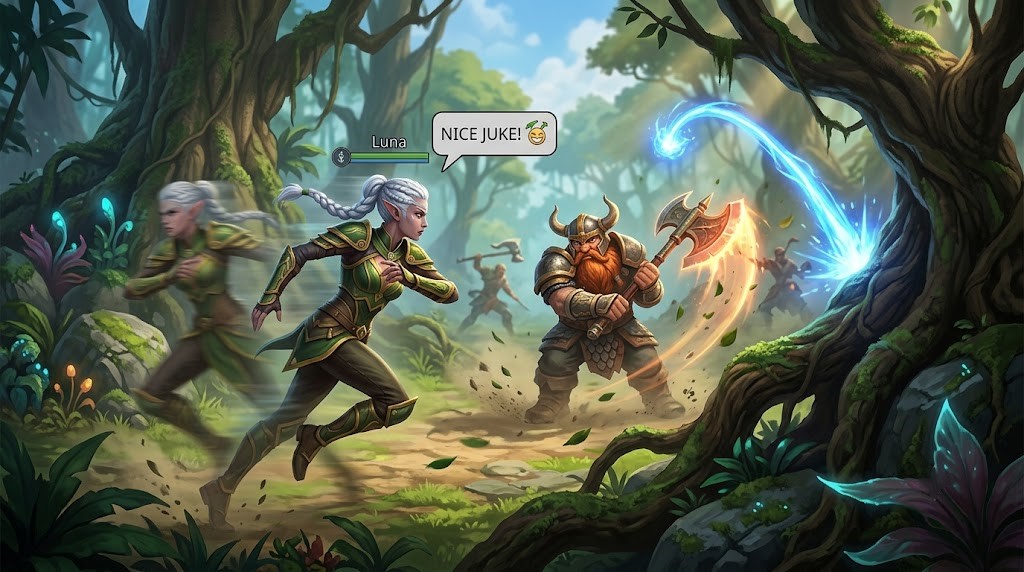
“Peel” entered gaming slang from an unexpected source: American football. In football, a “peel-back block” is when an offensive player blocks a defender from behind or the side, “peeling” them away from the ball carrier. The term’s transition to gaming happened in the early 2000s through sports-influenced gamers who applied football terminology to team-based video games.
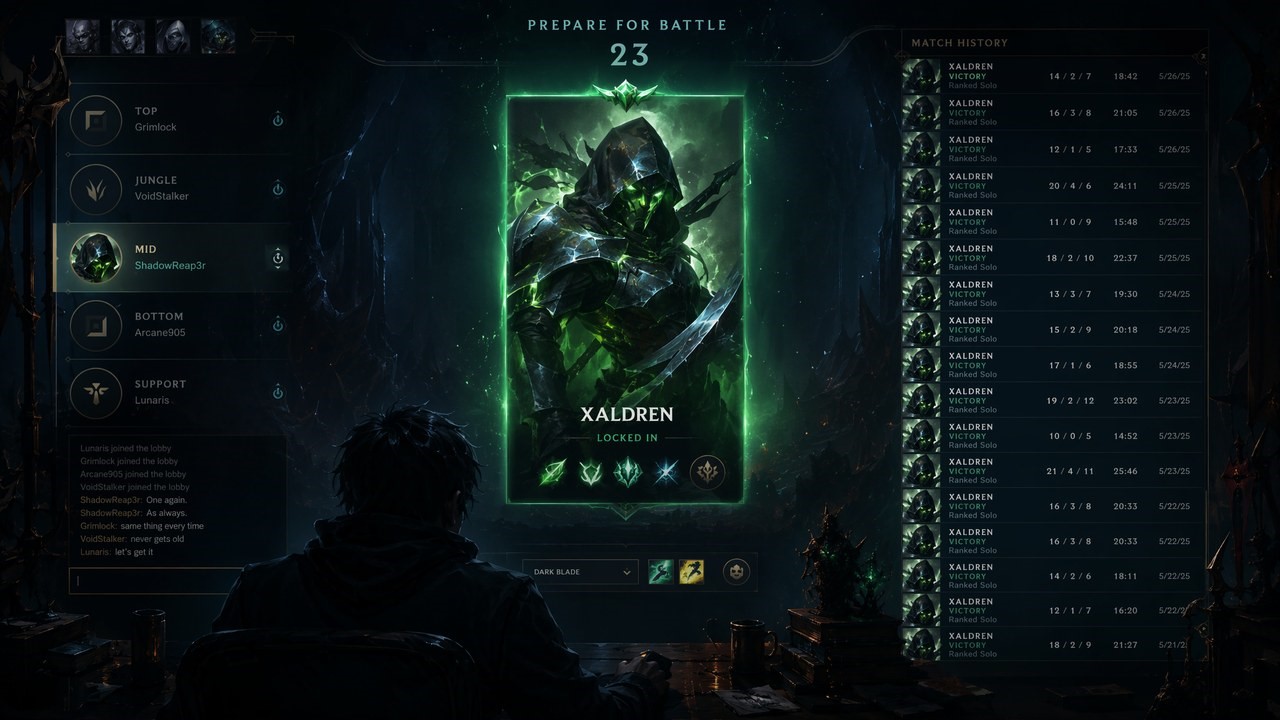
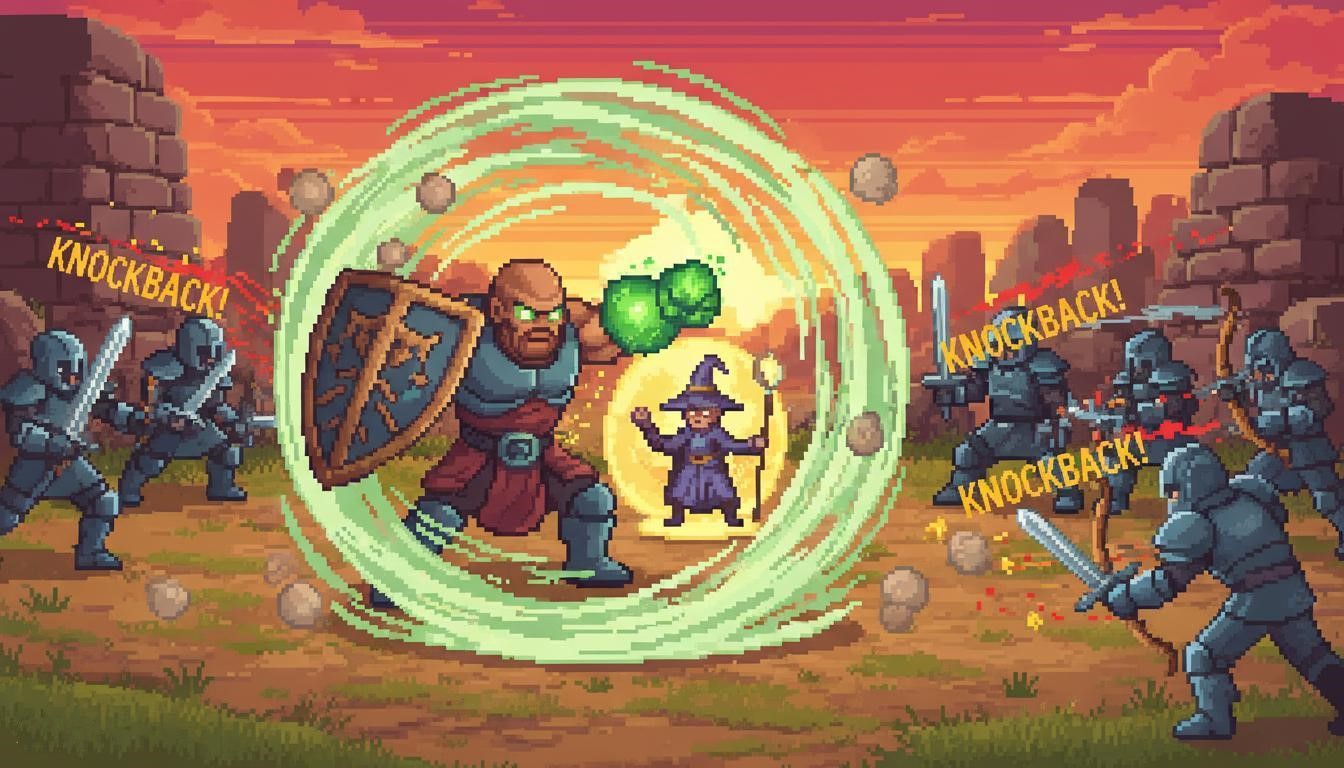
The term solidified in MOBAs starting with Defense of the Ancients (DotA) in 2003. In DotA’s team fights, the “carry” (the team’s main damage dealer) was extremely fragile and needed protection. Support characters developed techniques to save their carry — stunning pursuing enemies, slowing them, or physically blocking their path. This protective action became known as “peeling” — like peeling an enemy off your teammate.
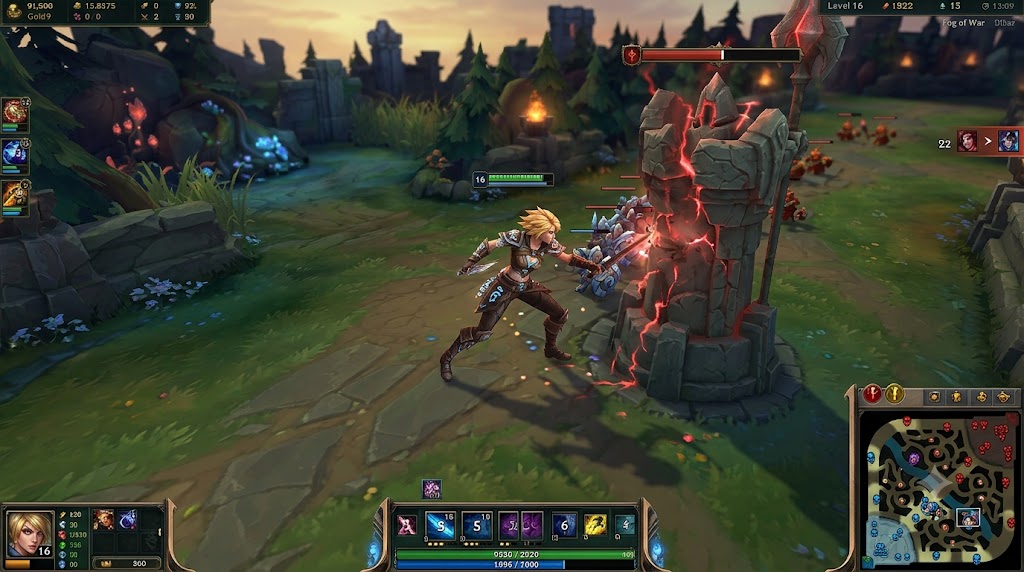
League of Legends (2009) made peel mainstream. The support role in League was designed around peel abilities — Janna’s Monsoon (pushing enemies away), Alistar’s Pulverize (knocking up pursuers), Thresh’s Flay (slowing and displacing threats). Professional play showed that teams with better peel won more fights, even when their carries were individually less skilled.
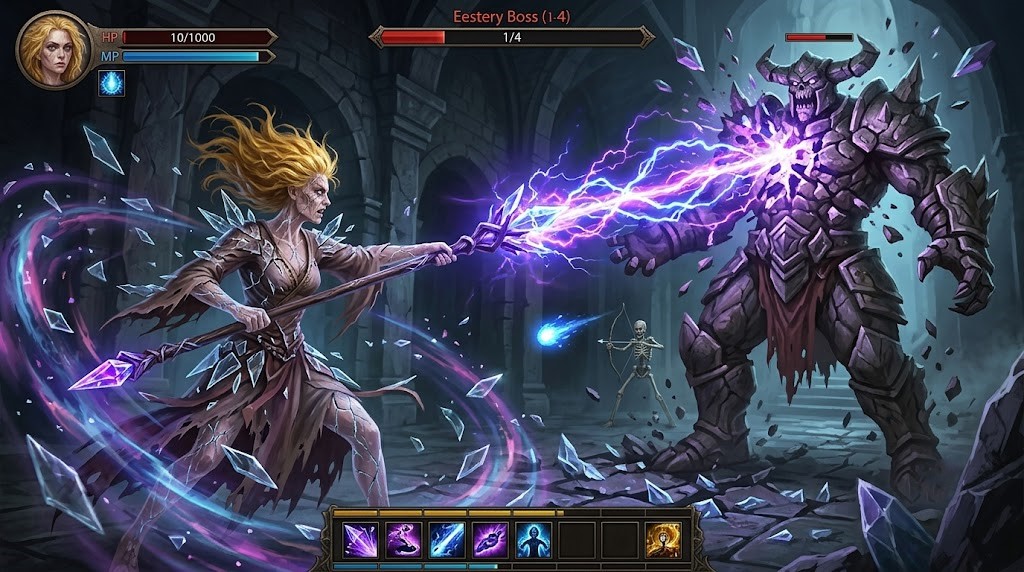
By the 2010s, peel had expanded beyond MOBAs. In MMORPGs, tanks and healers “peeled” for their DPS. In battle royales, teammates peeled for each other during third-party engagements. Even in some FPS games, supportive actions (smoking off pursuers, flashbanging chasers) were described as peel.
In 2026, peel is standard vocabulary in any team-based game with role differentiation. It’s used as both verb (“peel for your carry”) and noun (“that team has great peel”). The ability to peel well is considered a hallmark of skilled support players — it’s the difference between a carry who survives team fights and one who dies instantly.
GEBILAOWANG: A good carry deals damage. A great support peels. The best teams have both.
Socio-Cultural Gain
Peel represents one of gaming’s most selfless actions. When you peel for a teammate, you’re not getting kills or dealing damage — you’re using your abilities and often risking your own life to save someone else. This altruistic quality makes peel culturally significant because it embodies teamwork over individual glory. The carry gets the pentakill, but the support who peeled three enemies off them made it possible.
The term also highlights the asymmetric relationship between carries and supports in MOBA design. Carries are designed to be powerful but fragile — they need protection to reach their potential. Supports are designed to be less individually powerful but crucial for team success. This dependency creates a unique dynamic where the “weaker” character (support) actually holds the power of life and death over the “stronger” one (carry).
High-Fidelity Contextual Dialogues
Scene: League of Legends team fight
Jungle: “They’re diving our ADC” Support: “I’m peeling, I’m peeling” Uses ultimate to push enemies away ADC: “NICE PEEL” Support: “Now kill them while they’re scattered” ADC: “Already on it”
Scene: Discord, coaching a new support player
Coach: “Your job isn’t to get kills, it’s to keep your carry alive” Newbie: “So I just stand there?” Coach: “No, you peel. Watch for who is attacking your carry, then use your abilities to stop them” Newbie: “Like a bodyguard?” Coach: “Exactly like a bodyguard. But instead of taking bullets, you’re throwing stuns and shields”
Scene: Post-game lobby, support gets honors
Carry: “Honored the support, those peels were insane” Support: “Just doing my job” Carry: “No seriously, you saved me like 5 times” Support: “That’s what peel is for. You do the damage, I keep you alive” Carry: “Teamwork makes the dream work”
FAQ
Q1: What’s the difference between peel and tanking?
Tanking means drawing enemy attention to yourself and absorbing damage. Peeling means removing enemy attention from your teammate. A tank stands in front and takes hits; a support peels by stunning, slowing, or displacing enemies who are chasing your carry. Tanks generate aggro; peels stop aggro. Many characters can do both (tank supports like Alistar or Braum), but the actions are conceptually different.
Q2: Which champions/characters are best at peeling?
In League of Legends, Janna is considered the purest peeler — her entire kit is designed to push enemies away and shield allies. Thresh, Lulu, and Braum are also excellent. In Dota 2, heroes like Crystal Maiden and Shadow Shaman have strong peel through disables. In Overwatch, Lucio’s Soundwave (boop) and Brigitte’s Whip Shot are classic peel abilities. The best peelers have displacement (pushing enemies away), hard crowd control (stuns), or strong defensive shields.
Q3: How do you peel effectively?
Good peel requires three things: awareness (knowing when your carry is in danger), positioning (being close enough to help but not so close that you die too), and ability timing (using your peel at the exact moment it’s needed). The most common mistake new supports make is using peel abilities too early (wasting them) or too late (carry is already dead). Watch your carry’s health bar and the minimap — when enemies converge on them, that’s your cue to peel.