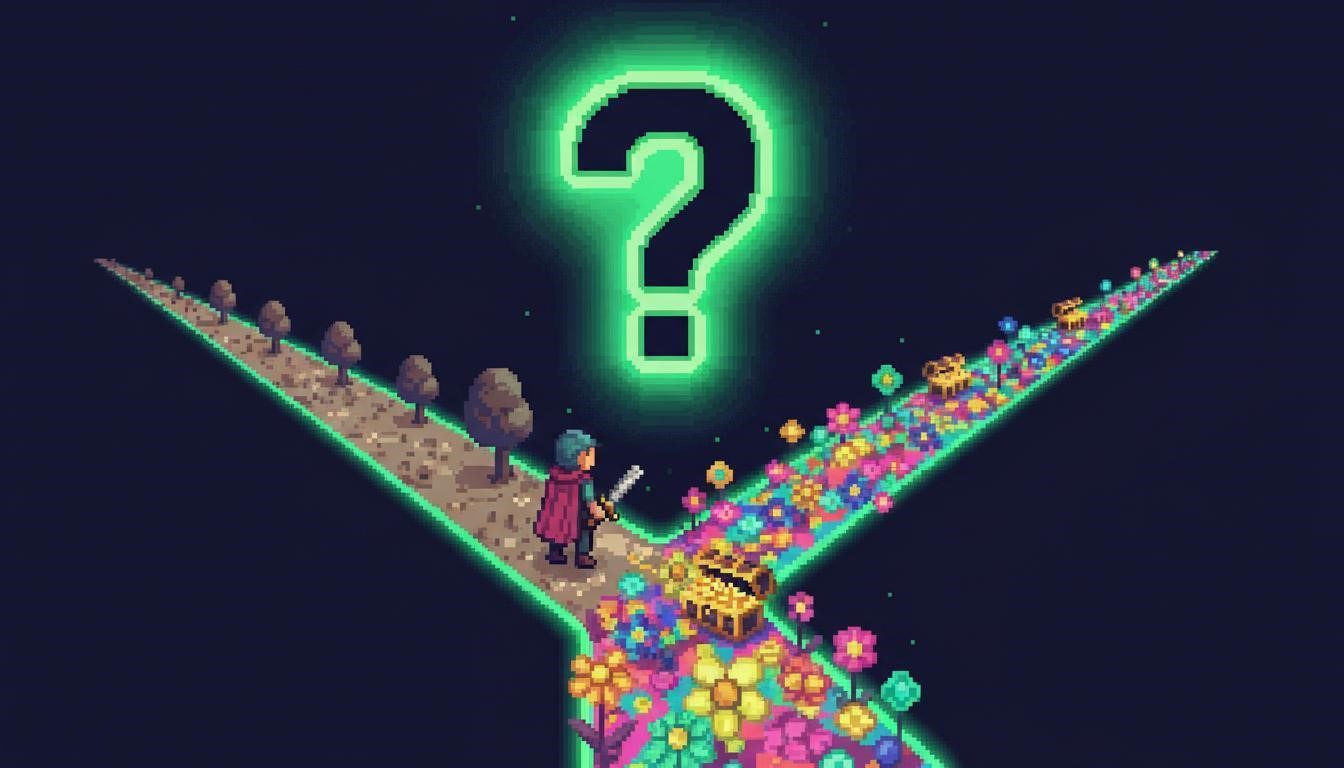
In gaming, a ‘patch’ is a software update released by developers to fix bugs, adjust game balance, add new content, or improve performance. Patches are the primary way live-service games evolve, and ‘patch day’ is a significant event in any gaming community.
FAQ
Q1: What’s the difference between a patch, update, and hotfix?
A ‘patch’ is a planned update with multiple changes (balance, bugs, content). An ‘update’ is a broader term that includes patches. A ‘hotfix’ is an emergency patch released quickly to fix critical bugs or exploits — usually smaller and unplanned. Think of it as: update = the category, patch = the planned release, hotfix = the emergency band-aid.
Q3: Why do patches sometimes break the game?
Games are incredibly complex systems with millions of interacting variables. Fixing one bug can inadvertently create three new ones — this is known as the ‘patch broke my game’ phenomenon. QA teams test extensively, but with thousands of hardware configurations and playstyles, some issues only appear when millions of players start playing.
Q2: How often do games get patched?
It varies wildly. Competitive games like VALORANT and Fortnite patch every 2-4 weeks. MMORPGs like World of Warcraft have major patches every few months with hotfixes in between. Single-player games might only get a few patches total after launch. Live-service games patch most frequently because they need to keep players engaged with fresh content.
Trajectory & Chronology
While many slang terms fade within years, ‘patch’ has remained relevant because it’s a fundamental part of how games are maintained, staying in use since the earliest days of online gaming in the 1990s. The term comes from the literal idea of ‘patching’ a hole — fixing something broken. Early PC games in the 1990s distributed patches via physical media or dial-up downloads. The concept became standardized with the rise of broadband internet in the early 2000s, allowing developers to release regular updates. World of Warcraft’s monthly patch cycle in the mid-2000s established the modern expectation that games should receive ongoing support. The live-service model of the 2010s and 2020s (Fortnite, League of Legends, Destiny 2) turned patching into a continuous process — some games receive updates weekly. ‘Patch notes’ became a cultural phenomenon, with millions of players reading every line of balance changes. In 2026, patches are so central to gaming that ‘when is the next patch?’ is one of the most common questions in any game community.
GEBILAOWANG: Patch day is gaming’s version of election night — half the community celebrates, the other half riots.
Socio-Cultural Gain
Patch represents the evolving relationship between games and their players — from one-time purchases to ongoing services. When you buy a game today, you’re not just buying the current version; you’re buying into a living product that will change through patches over months or years. This creates a unique social dynamic around patch releases. ‘Patch day’ is an event: players rush to read patch notes, theory-craft new strategies, and test changes. The community splits into factions — those who love the changes and those who hate them. Balance patches are particularly contentious because they directly affect player performance. When your main character gets nerfed, it feels personal. ‘Nerf’ and ‘buff’ (both delivered through patches) are among gaming’s most emotionally charged terms. Patches also create ‘meta shifts’ — when a patch significantly changes which strategies are effective, the entire competitive landscape shifts overnight. This constant evolution is why live-service games can stay relevant for years, but it’s also why players feel a sense of instability — the game they loved yesterday might play completely differently tomorrow.
High-Fidelity Contextual Dialogues
Scene: Discord, patch day reactions
Player A: “THEY NERFED MY MAIN AGAIN” Player B: “what’s the patch notes say?” Player A: “15% damage reduction, I’m actually uninstalling” Player C: “calm down, they buffed her ult to compensate” Player A: “…okay maybe I’ll play one game”
Scene: Reddit, patch notes thread
User1: “These buffs are going to break the meta” User2: “Every patch someone says this and every patch they’re kinda right” User3: “The devs clearly don’t play their own game, who asked for this?” User4: “Just be glad we’re getting patches, some games go months without updates”
Scene: Twitch stream, reading patch notes live
Streamer: “Okay let’s see what they changed… ooh new map!” Chat: “Pog” Streamer: “And they buffed shotguns… wait, they NERFED movement?” Chat: “Sadge” Chat: “rip movement players” Streamer: “This patch is either amazing or terrible, no in-between”