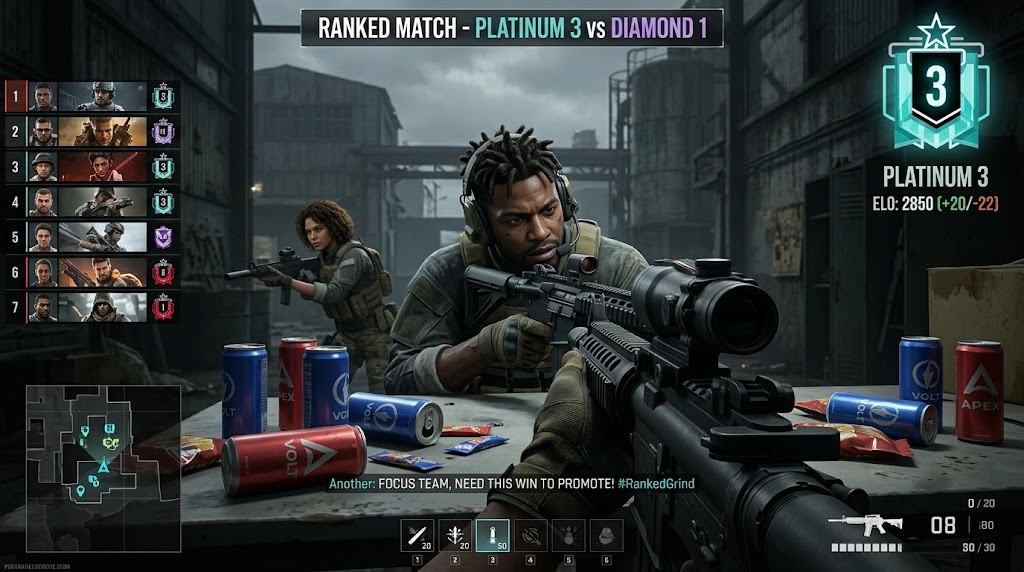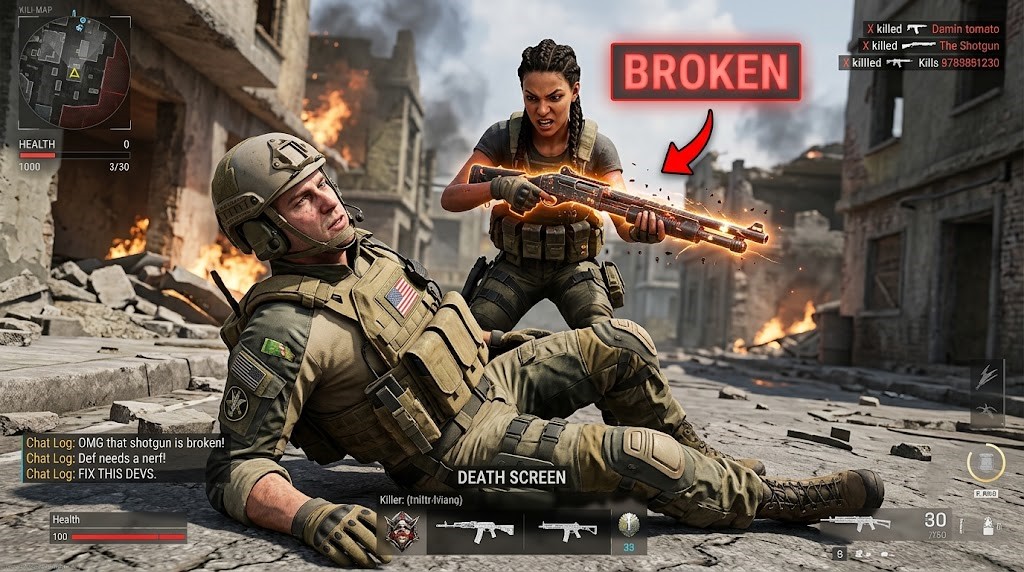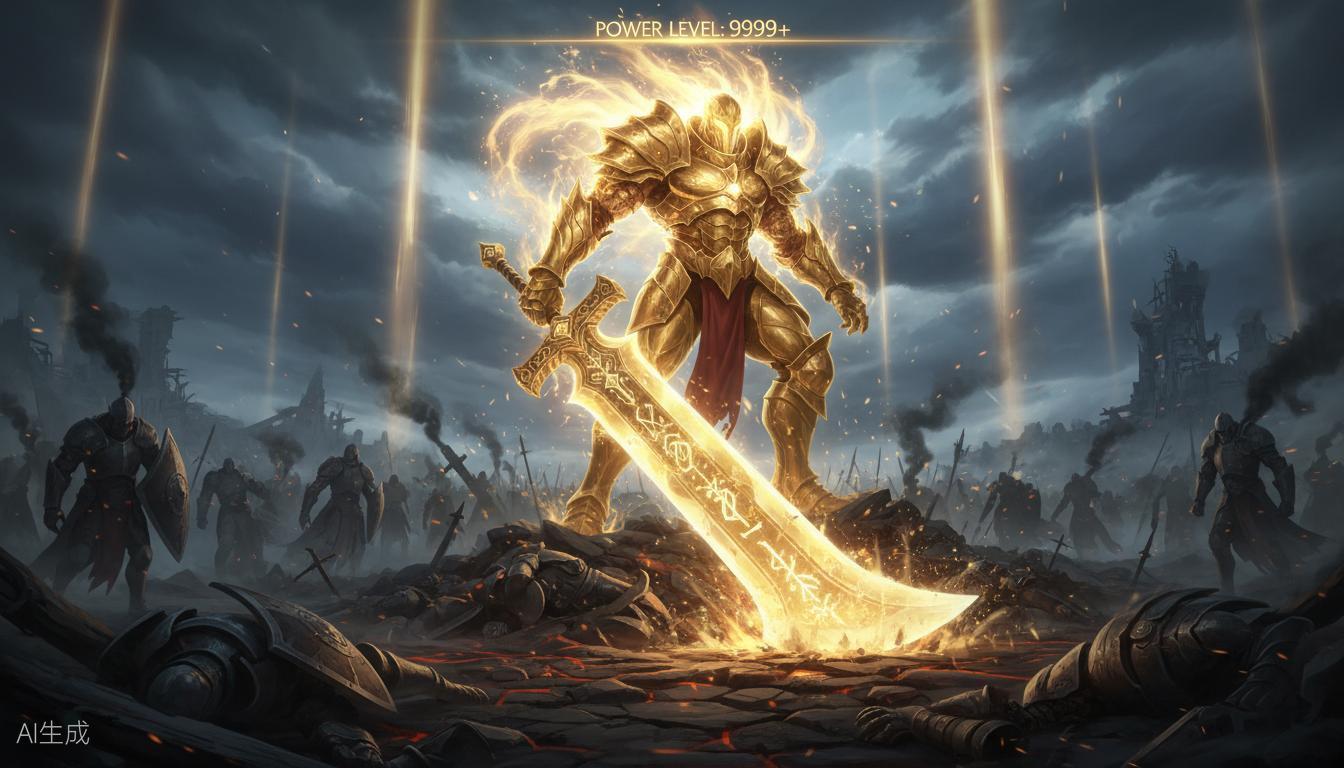
In gaming, OP stands for Overpowered and describes a character, weapon, item, ability, or strategy that is significantly stronger than other options to the point of breaking game balance.
Trajectory & Chronology
The term ‘OP’ originated in tabletop gaming and early online RPGs of the late 1990s. As competitive gaming grew, ‘OP’ became the standard way to describe imbalance. The term evolved alongside competitive gaming. What was considered OP in 2005 (World of Warcraft’s Corrupted Blood incident) seems quaint compared to modern balancing standards. By the 2010s, ‘OP’ had become so common that it spawned derivatives: ‘broken,’ ‘busted,’ and ’nerf this’ all describe similar concepts. In 2026, ‘OP’ remains one of the most common terms in gaming discussions.
GEBILAOWANG: The term has become so overused that gamers call anything strong ‘OP’.
Socio-Cultural Gain
‘OP’ reflects the constant negotiation between developers and players over what constitutes fair balance. Players often declare things OP immediately after losing to them, leading to the phenomenon of ‘salt-induced OP calls.’ The term has also created a cultural cycle: players discover a strategy → call it OP → developers nerf it → players find the next OP strategy. This ‘meta-chasing’ is a defining feature of competitive gaming culture. ‘OP’ has also entered broader internet culture. People describe real-world things as ‘OP’ — a particularly effective life hack, a surprisingly good restaurant, or a friend’s unexpected talent.
High-Fidelity Contextual Dialogues
Scene: Post-patch discussion
Player A: “This new weapon is absolutely OP.” Player B: “Git gud, it’s fine.” Player A: “Look at the win rate — 65%. That’s OP.”
Scene: Balance debate
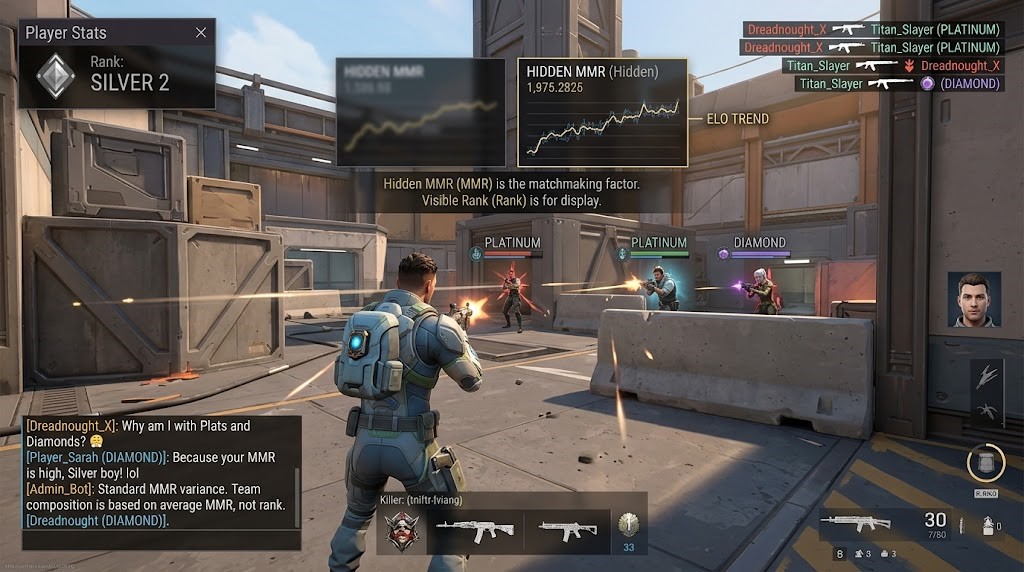
Player A: “They need to nerf that character, it’s OP.” Player B: “It’s only OP in pro play. In ranked it’s fine.”
Scene: First encounter
Player A: “How did he kill me so fast?” Player B: “That combo is OP right now. Everyone’s using it.”
FAQ
Q1: What’s the difference between OP and strong?
Something strong is viable. Something OP dominates the meta to an unhealthy degree.
Q2: How do developers decide what’s OP?
Data analysis — win rates, pick rates, ban rates, and community feedback.
Q3: Can something be OP but still require skill?
Yes. Some OP options have high skill floors but become dominant when mastered.
Q4: How do I explain OP to a non-gamer in one sentence?
“It means something in a game is so much stronger than everything else that it’s basically cheating — like bringing a gun to a sword fight.”