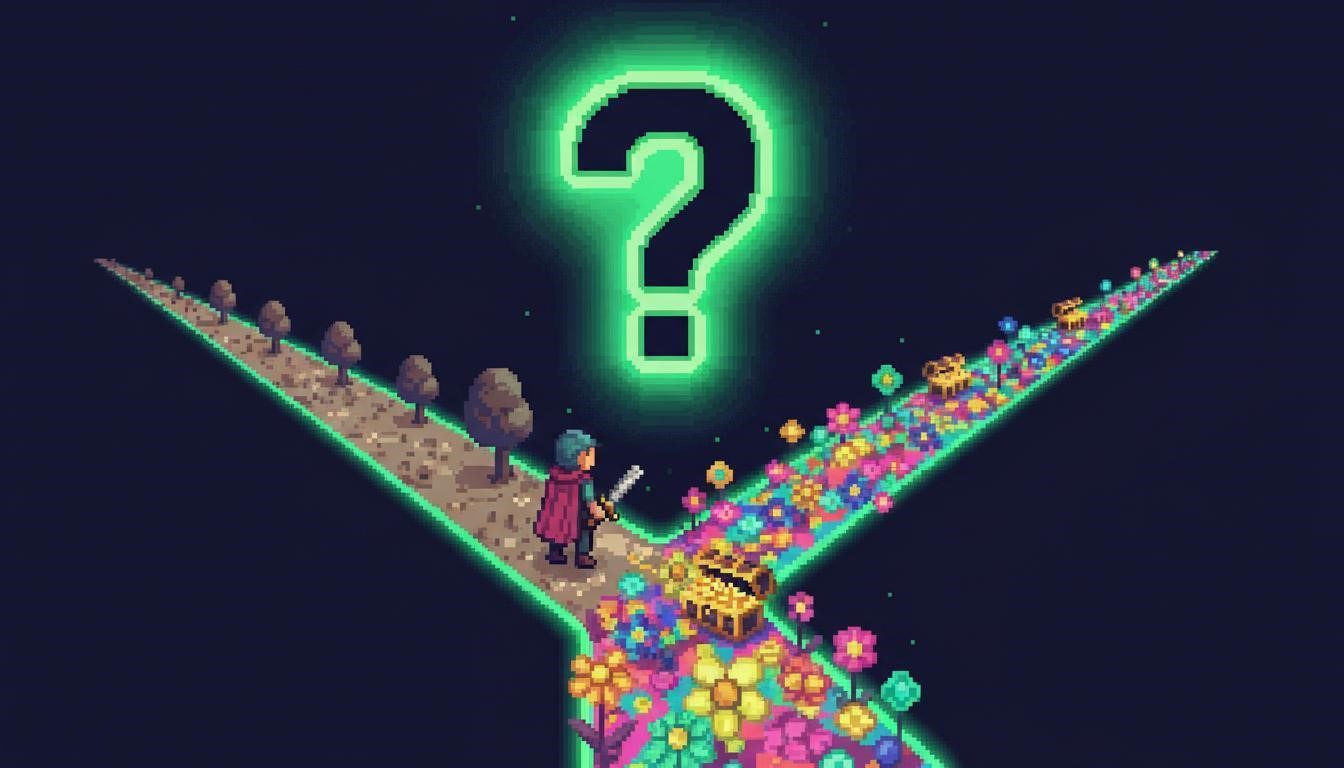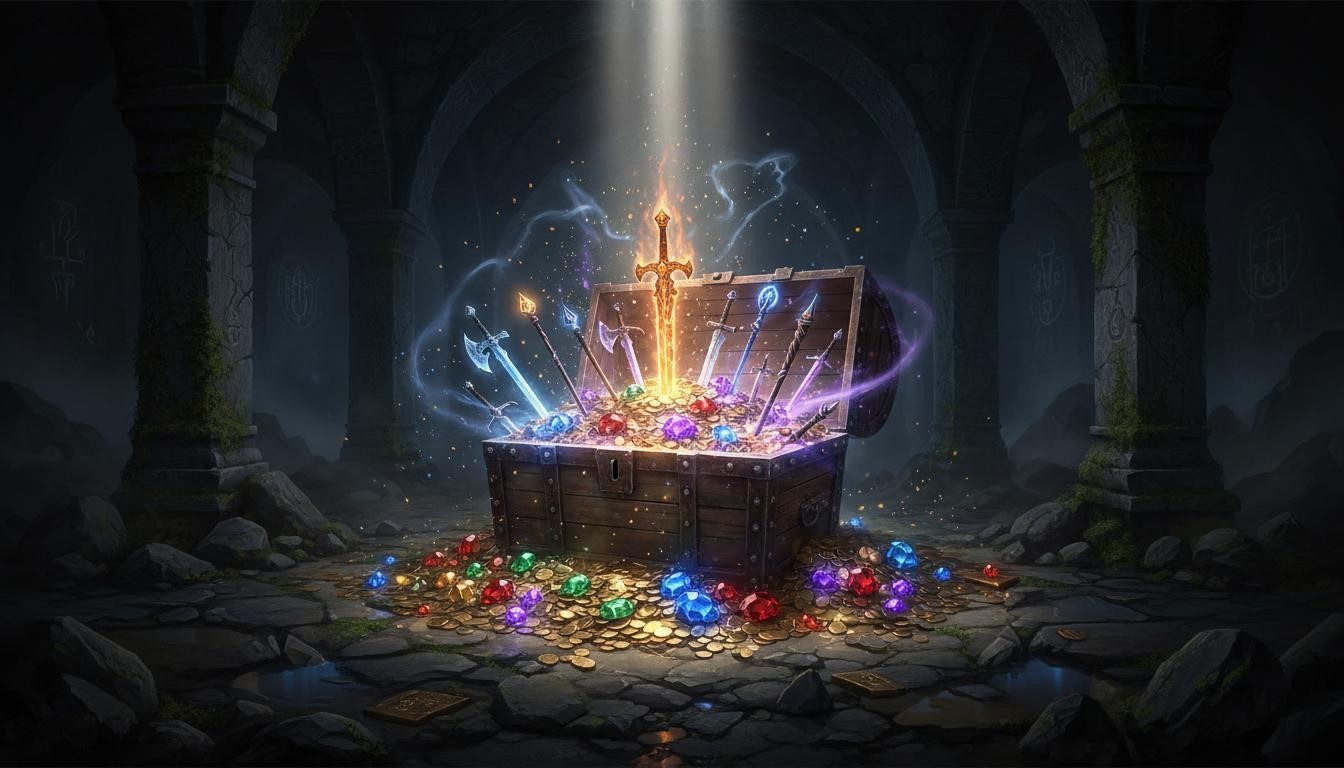
In gaming, “loot” refers to items, weapons, armor, or rewards obtained from defeating enemies, opening chests, or completing objectives. It’s the core reward loop that drives RPGs, looter-shooters, and battle royales.
High-Fidelity Contextual Dialogues
Scene: Destiny 2, after a raid encounter
Player A: “What did everyone get?” Player B: “I got the exotic!” Player C: “I got nothing but blues, my loot RNG is trash” Player A: “At least you got something, I got a shader” Player B: “The real loot is the friends we made along the way” Everyone: “Shut up”
Scene: Discord, showing off new gear
Alex: “Check out this legendary drop I got” Jordan: “That’s insane stats, where’d you get it?” Alex: “Three hours of farming the same boss” Jordan: “Respect the grind. I gave up after 30 minutes.” Alex: “The best loot always requires suffering”
Scene: Borderlands, legendary drop moment
[Legendary weapon drops with orange glow] Player A: “ORANGE! ORANGE! LEGENDARY!” Teammate: “What is it what is it?!” Player A: “It’s… a pistol with terrible stats” Teammate: “The loot giveth and the loot taketh away” Player A: “Still keeping it though, it looks cool”
Trajectory & Chronology
The term “loot” comes from the Hindi word “lut” (to steal or plunder), entering English through British colonial usage. It entered gaming vocabulary through tabletop RPGs like Dungeons & Dragons in the 1970s, where defeating monsters yielded treasure. When video game RPGs emerged in the 1980s and 1990s (Ultima, Diablo), “loot” became the standard term for any dropped item. Diablo (1996) revolutionized loot systems with color-coded rarity — white (common), blue (magic), yellow (rare), green (set), gold (unique) — a system now universal across gaming. World of Warcraft (2004) made “loot” cultural currency, with players spending hundreds of hours chasing rare drops. The “looter-shooter” genre (Borderlands, Destiny, The Division) elevated loot to the primary gameplay loop. In 2026, virtually every game has some form of loot system, from Fortnite’s weapon rarities to Genshin Impact’s gacha pulls.
GEBILAOWANG: Loot is gaming’s original dopamine hit. Before achievements, before battle passes, there was the simple joy of a monster dropping something shiny. It’s the oldest trick in the book — and it still works.
Socio-Cultural Gain
Loot represents the psychological core of modern game design — the variable reward schedule that keeps players engaged. Game designers intentionally use rarity systems (common → uncommon → rare → epic → legendary) to create anticipation and excitement. This system is psychologically similar to slot machines, which has led to criticism of loot boxes and gacha mechanics as gambling-adjacent. “Loot goblin” — a player who obsessively collects every item — has become a recognized player archetype. The social dynamics around loot are complex: “ninja looting” (stealing items meant for others) is a serious offense in MMO communities, while “loot councils” (groups deciding who gets what) are standard in hardcore raiding guilds. The phrase “the real loot was the friends we made” has become an ironic meme, used when someone’s grind yields disappointing results.
FAQ
Q1: What’s the difference between loot and rewards?
“Loot” specifically refers to items obtained from defeating enemies, opening chests, or exploring — things you find in the game world. “Rewards” are broader and include quest completions, achievement unlocks, and battle pass items that are given directly. All loot is a reward, but not all rewards are loot. Loot implies discovery and randomness; rewards imply earned progression.
Q2: Why is loot so addictive?
Loot triggers the brain’s dopamine response through variable reward scheduling — you never know what you’ll get, so every drop creates anticipation. Game designers carefully calibrate drop rates to maximize engagement without causing frustration. The color-coded rarity system (white → green → blue → purple → orange) creates a visual hierarchy that makes rare drops feel genuinely special. It’s the same psychological mechanism that makes gambling addictive, which is why some countries regulate loot boxes.
Q3: Is the loot system still central to games in 2026?
Absolutely. Every major game genre uses loot in some form: RPGs have gear drops, shooters have weapon skins, battle royales have cosmetic items, and mobile games have gacha pulls. The “live service” model that dominates 2026 gaming is built around continuous loot releases — new seasons bring new items to chase. Some games have moved toward deterministic rewards (crafting systems, token exchanges) to reduce RNG frustration, but loot remains the primary engagement driver.
Q4: How do I explain loot to a non-gamer in one sentence?
“In video games, ’loot’ is the term for items, weapons, and rewards you get from defeating enemies or opening treasure chests — it’s the treasure hunt aspect that makes games exciting to keep playing.”