Socio-Cultural Gain
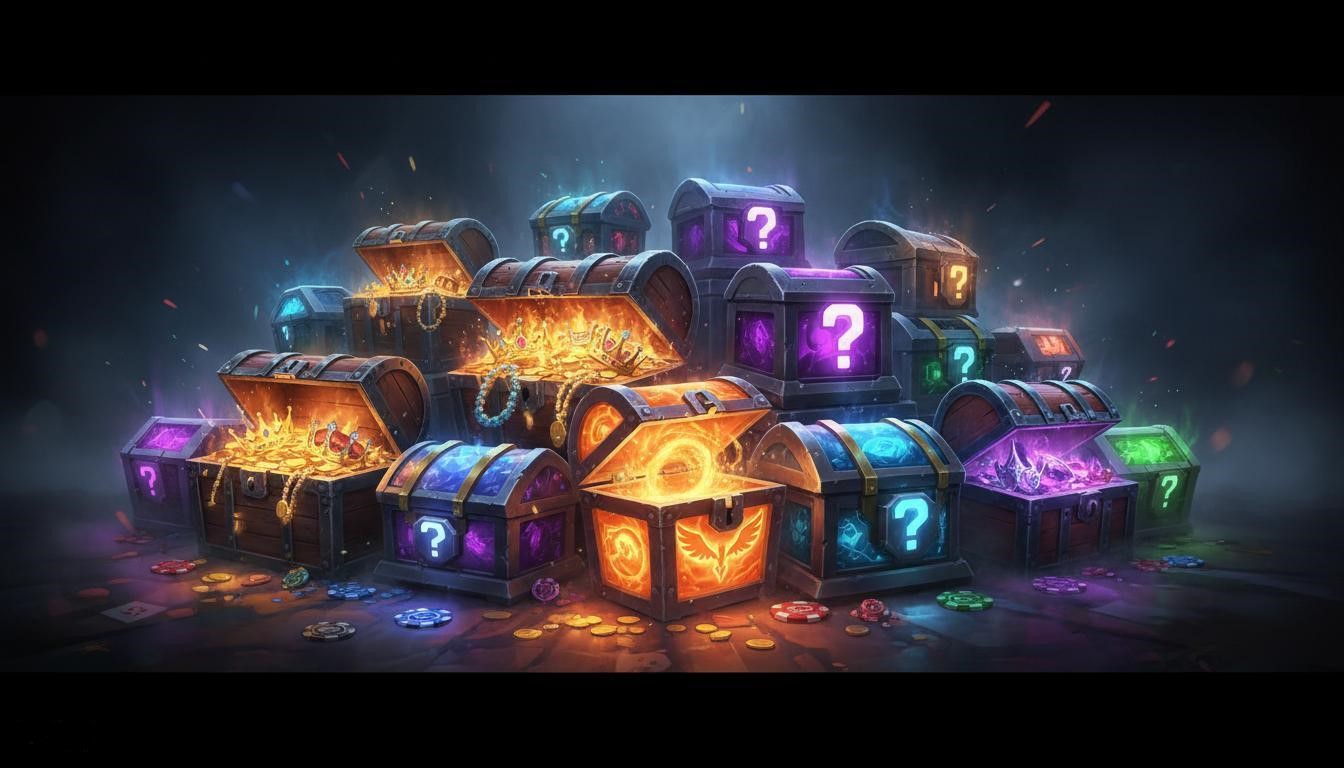
‘Loot boxes’ represent one of gaming’s most contentious business model innovations — and its most significant regulatory battle. The concept tapped into powerful psychological mechanisms: the thrill of randomness, the sunk cost fallacy, and the fear of missing out on rare items. For publishers, loot boxes became a revenue powerhouse, generating billions annually. For players, they created a love-hate relationship: the excitement of opening a box versus the frustration of spending money and getting nothing valuable. The controversy peaked in the late 2010s when countries began investigating whether loot boxes constitute gambling. Belgium and the Netherlands banned them outright in 2018, forcing publishers to remove or alter systems for those regions. Other countries implemented disclosure requirements (showing odds) or age restrictions. The debate sparked a broader conversation about predatory monetization in games, leading to the rise of ‘battle passes’ as a more transparent alternative. The term ’loot box’ has entered mainstream discourse, used in news coverage, legislative hearings, and academic research about gaming and gambling.
GEBILAOWANG: Loot boxes are the slot machines of gaming. They’re designed to trigger the same dopamine hits as casinos, except you can do it at age 12. The fact that some countries had to literally pass laws about this tells you everything.
High-Fidelity Contextual Dialogues
Scene: Gaming convention, mod showcase booth
Attendee: “This looks completely different from the base game.” Modder: “It’s a total conversion mod. New story, new mechanics, 200 hours of content.” Attendee: “And it’s free?” Modder: “Always. We do this for the community.” Attendee: “That’s incredible. How many people worked on it?” Modder: “Team of 40, three years. Some of us got hired by the actual studio because of it.”
Scene: Friends discussing game spending
Riley: “How much did you spend on FIFA this year?” Sam: “Don’t ask.” Riley: “That bad?” Sam: “Let’s just say I could’ve bought a PS5 with what I spent on Ultimate Team packs.” Riley: “Loot boxes get everyone eventually.” Sam: “Never again. Until next FIFA.”
Scene: Gaming forum, new player asking about monetization
NewPlayer: “Are loot boxes worth it in this game?” Veteran: “No. Never. Buy the battle pass instead.” NewPlayer: “But I want the legendary skin.” Veteran: “The drop rate is 0.5%. You could spend $200 and not get it.” NewPlayer: “Seriously?” Veteran: “Seriously. Just buy it directly when it rotates to the shop.”
Trajectory & Chronology
While many monetization terms fade, ’loot boxes’ has remained relevant because it became the focal point of gaming’s most significant regulatory battle, since the mid-2010s. The concept traces back to Chinese MMOs in the mid-2000s, where ’lucky boxes’ or ‘mystery boxes’ offered random rewards for real money. The Western popularization came through Team Fortress 2’s crate system (2010) and FIFA Ultimate Team packs. Overwatch (2016) made loot boxes mainstream with its polished, celebratory unboxing animation. The backlash began around 2017-2018: the ‘Star Wars Battlefront II’ disaster (where loot boxes affected gameplay progression) became a tipping point, generating the most downvoted Reddit comment in history. Belgium and the Netherlands banned loot boxes as gambling in 2018. By 2024-2025, most major publishers had pivoted to battle passes, but the term endures as shorthand for controversial game monetization.
FAQ
How do you explain ’loot boxes’ to a non-gamer?
“Loot boxes are like buying a mystery toy box — you pay real money but don’t know what’s inside until you open it. You might get something rare and valuable, or you might get something common and useless. Many countries have investigated whether they’re a form of gambling because you’re spending money on random outcomes, similar to a slot machine.”
Is ’loot box’ the same as a ‘gacha’?
They’re essentially the same concept with different origins. ‘Loot box’ is the Western term, popularized by FPS and Western games. ‘Gacha’ (from Japanese ‘gachapon’ capsule toys) is the term used in Asian markets, particularly for mobile games. Both involve spending currency for random rewards. The mechanics are nearly identical, though gacha systems often have more complex pity systems and rarity tiers.
When do you encounter loot boxes?
Loot boxes appear in many free-to-play games as the primary monetization method — titles like Overwatch 2 (before the shift to battle passes), FIFA Ultimate Team, and numerous mobile games. Some premium games also include them, which generates more controversy since players already paid for the base game. You typically earn basic loot boxes through gameplay and can purchase premium versions with real money for better rewards.
Are loot boxes still popular in 2026?
Their popularity has declined significantly due to regulation and player pushback. Most major publishers have shifted to battle passes, direct purchases, or cosmetic-only shops. However, loot boxes still exist in many games — particularly sports titles like EA FC (formerly FIFA) and some mobile games. The term remains highly relevant as regulatory debates continue and the industry navigates post-loot-box monetization strategies.