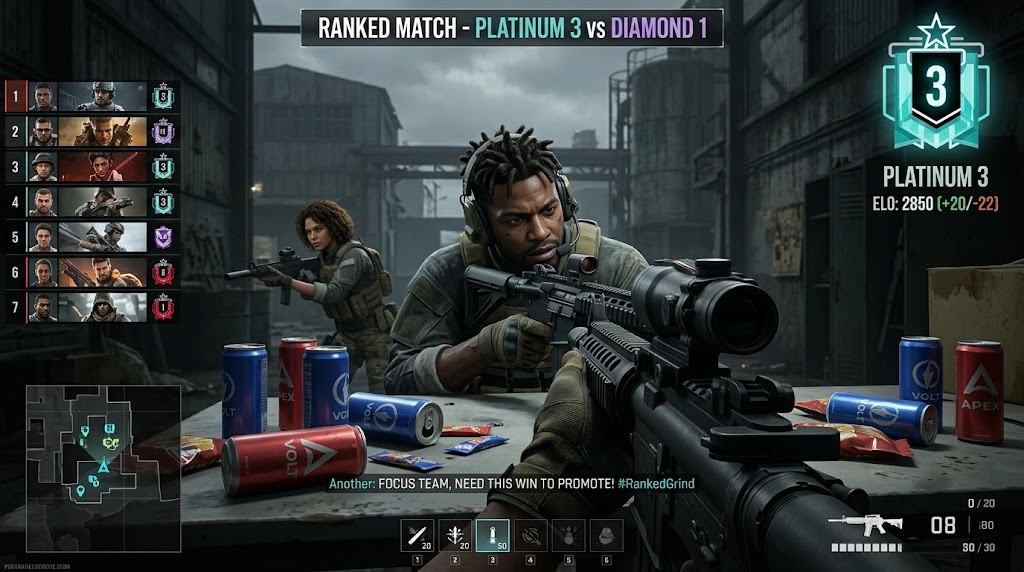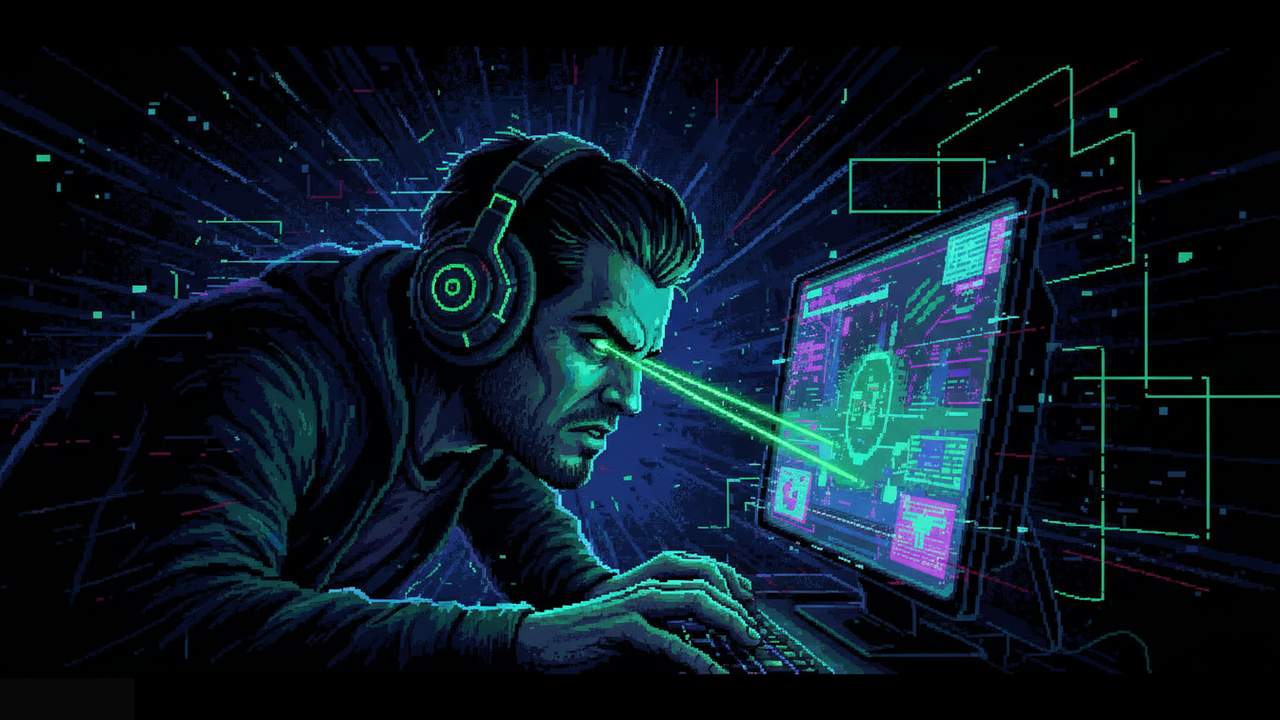
Lock in is the two-word command that means the jokes are over. When a teammate says “lock in,” they’re telling you to stop throwing, stop chatting, and actually play. It’s the verbal slap on the helmet — a demand to flip the switch from messing around to full concentration.
Trajectory & Chronology
Lock in started around the early 2020s, when competitive gaming and sports culture collided online. Athletes had long talked about being “locked in” during big moments, and the phrase crossed into ranked lobbies as a way to demand that same focus from teammates. It spread fast through Twitch and TikTok, where “lock in” became both a genuine call to concentrate and a meme — spammed whenever someone whiffed an easy play or got caught staring at a wall.
By 2024, it had split into two uses: the sincere version (“bro, lock in, we can still win this”) and the mocking version (“you’re locked in on losing”). The term’s power is its simplicity — it compresses an entire pep talk into two syllables. In 2026, “lock in” is one of the most spammed phrases in competitive gaming, sitting somewhere between encouragement and a threat depending on how badly the match is going.
GEBILAOWANG: “Lock in” works because it never explains how. It just assumes you know you’re playing badly — and usually, you do.
Socio-Cultural Gain
Lock in reflects gaming culture’s belief that focus is a choice you can simply make on command. Unlike older motivational phrases, it doesn’t offer advice or comfort — it issues an order. That bluntness matches how competitive players actually talk under pressure, where there’s no time for a speech, only a demand to perform.
The phrase also reveals how gaming borrows constantly from sports. “Locked in” came from athletes describing peak concentration, and gaming adopted it wholesale because ranked play runs on the same psychology. Its meme afterlife — spamming “lock in” ironically after a teammate’s mistake — shows how quickly sincere gamer language turns into banter. But beneath the jokes, the command stays genuine: in a close match, “lock in” is still the fastest way to tell your team the throwing stops now.
Tryhard — The person who’s already locked in, maybe too hard. Sweat — What you become the moment you actually lock in. Throw — The behavior “lock in” is usually a response to.
High-Fidelity Contextual Dialogues
Scene: Ranked match, down two rounds
Player A: “Okay. Everyone lock in.” Player B: “Locked.” Player C: “Locked in.” Player D: stops typing in chat Player A: “Let’s actually win this.”
Scene: Mocking a distracted teammate
Player A: “You died looking at the shop menu.” Player B: “I was checking prices.” Player C: “Lock in, bro. Lock in.” Player B: “I’m locked in.” Player A: “You’re locked in on the wrong thing.”
Scene: Pre-game pep talk
Player A: “Last match of the night. Win or we all go to bed mad.” Player B: “Say less. Locking in.” Player C: “No more warm-up deaths. We’re locked.”
FAQ
Q1: What does lock in mean in gaming?
A: Lock in means to focus completely and stop messing around. When someone says it, they’re demanding you concentrate on winning instead of throwing, chatting, or playing carelessly.
Q2: Is lock in an insult?
A: Usually no — it’s a call to focus. But it can be used mockingly (“lock in, you’re 0 and 5”) to point out that someone is playing badly and needs to get serious.
Q3: Where did lock in come from?
A: It comes from sports, where athletes describe being “locked in” during high-pressure moments. Gaming adopted it in the early 2020s as a ranked-lobby command to concentrate, and it spread through Twitch and TikTok.
Q4: What’s the difference between lock in and tryhard?
A: Locking in is about focus and can be temporary — you lock in for one clutch round. A tryhard is locked in permanently, sometimes to the point of sucking the fun out of the game. One is a state you enter; the other is a personality.