High-Fidelity Contextual Dialogues
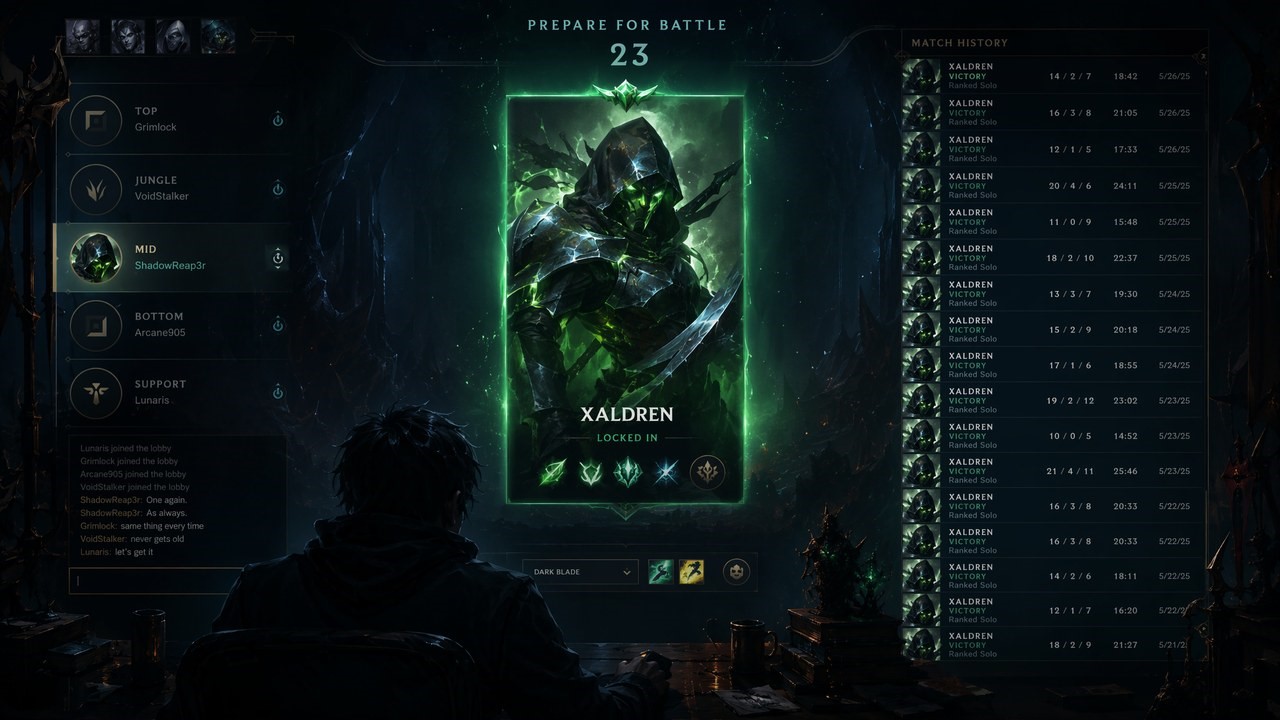
Scene: League of Legends, ADC kiting a tank
Support: “He’s running at you, kite back” ADC: “I’m trying, his MS is higher than mine” Support: “I slowed him, now kite” ADC: “Got it, got it” kills the tank while retreating Support: “Beautiful kite”
Scene: World of Warcraft dungeon
Tank: “I’m pulling the boss to the corner” DPS: “Can you not move so much? I can’t hit him” Tank: “He has a cleave, I have to kite him” Healer: “Just stand still, I can heal through it” Tank: “No you can’t, trust me”
Scene: Valorant, post-round
Player1: “Why did you run away? You had the advantage” Player2: “I was low HP, I had to kite” Player1: “This isn’t League, there’s no kiting in Valorant” Player2: “I mean I was retreating while shooting…” Player1: “That’s just called ‘playing the game’”
Scene: Discord, teaching a new player
Mentor: “Okay, the most important skill for ranged champions is kiting” Newbie: “What’s kiting?” Mentor: “You attack, then move away, then attack again. Like a kite on a string — you’re always just out of their reach” Newbie: “So… running away while shooting?” Mentor: “No. Running away while shooting is cowardice. Kiting is art.”
Scene: Twitch chat, watching a pro kiting
Chat: “THE KITE” Chat: “HE’S KITING FOR HIS LIFE” Chat: “most beautiful kite I’ve ever seen” Chat: “how is he still alive” Streamer: “That right there is why he’s rank 1. Most players would have died 3 times already”
Trajectory & Chronology
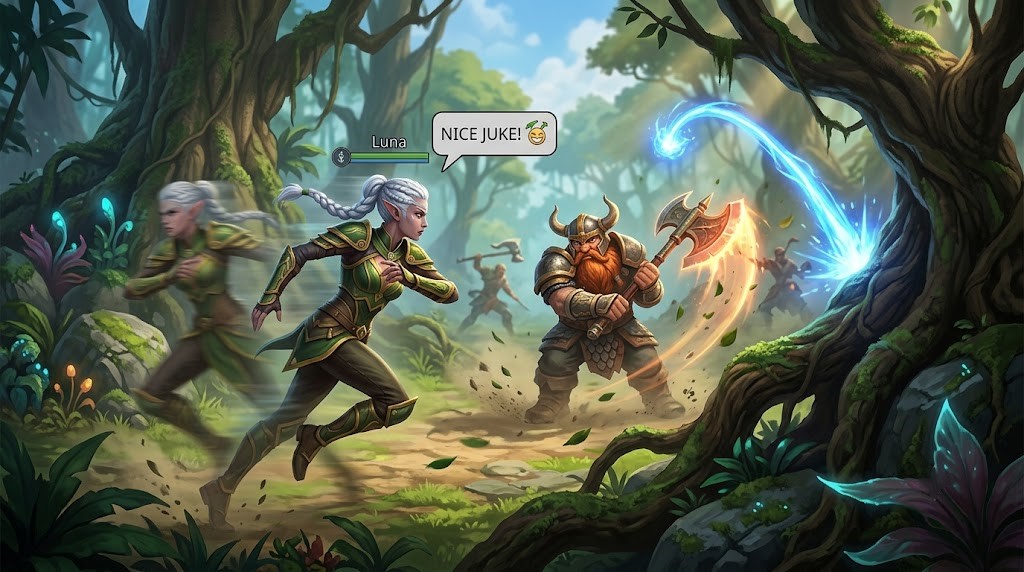
Kiting as a tactical concept emerged from early MMORPGs in the late 1990s. In EverQuest and Ultima Online, ranged characters (archers, mages) discovered they could attack melee enemies from a distance, then run away before the enemy closed the gap. The enemy would chase them like a kite on a string — hence the name. This technique was essential because ranged characters typically had low health and would die instantly if a melee enemy reached them.
The term gained mainstream adoption in World of Warcraft (2004), where kiting became a core skill for multiple classes. Hunters were designed around the concept — their entire gameplay loop involved maintaining distance from enemies while their pet tanked damage. The “hunter kiting” technique (using traps, slowing shots, and pet management to keep enemies at range) became one of the most skill-intensive playstyles in the game.
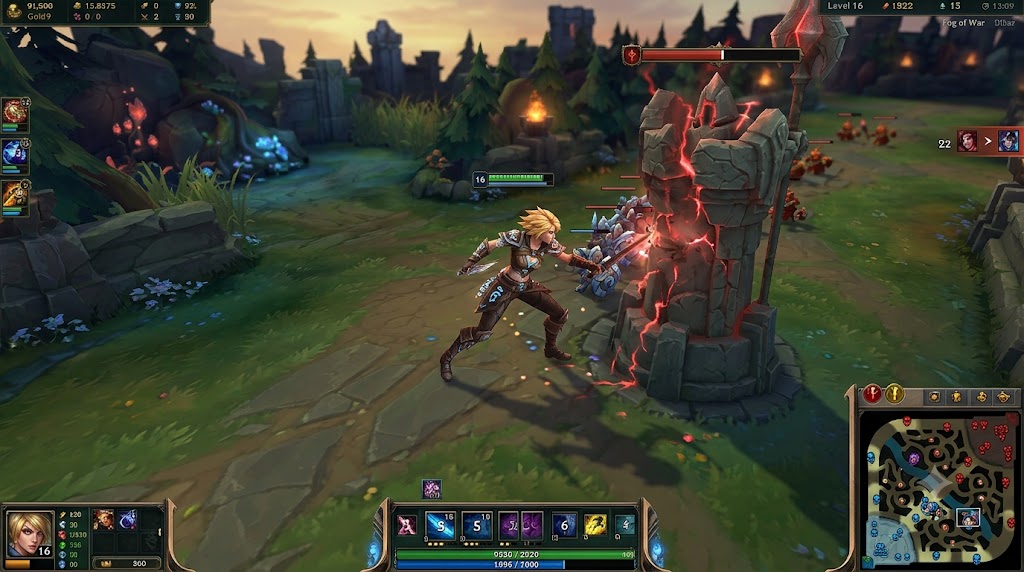
MOBAs elevated kiting to an art form. In League of Legends and Dota 2, the “ADC” (Attack Damage Carry) role is built entirely around kiting. These characters deal massive damage but are extremely fragile — their survival depends entirely on positioning and kiting ability. Professional ADC players are judged primarily on their kiting skill, with milliseconds of reaction time determining whether they survive team fights or die instantly.
By the 2010s, kiting had expanded beyond its original definition. In battle royale games, “kiting” describes luring enemies into traps or ambushes. In strategy games, it refers to drawing enemy units out of position. The core concept — controlling distance to gain an advantage — remains consistent across all genres.
In 2026, kiting remains one of the most fundamental skills in competitive gaming. It’s a technique that separates good players from great ones because it requires simultaneous attention to positioning, timing, and damage output. Games like League of Legends have entire training modes dedicated to teaching kiting mechanics.
GEBILAOWANG: Kiting is the difference between a ranged player who lives and one who feeds. It’s not about clicking fast — it’s about knowing exactly how far away you need to be.
Socio-Cultural Gain
Kiting represents a core principle of competitive gaming: the reward for mechanical skill. Unlike strategy or teamwork (which can be learned through study), kiting is pure physical execution. It requires fast mouse movements, precise timing, and the ability to process multiple inputs simultaneously. Players who can kite well are respected because it’s a skill that can only be developed through hours of practice — there’s no shortcut.
The term also highlights the asymmetry between ranged and melee characters in gaming. Melee characters need to close distance to deal damage; ranged characters need to maintain it. This fundamental tension creates a cat-and-mouse dynamic that drives engagement in most multiplayer games. When a ranged player kites perfectly, they make the melee player feel helpless — which is both deeply satisfying for the kiter and deeply frustrating for the chaser.
Culturally, “kite” has become shorthand for any situation where someone is controlling distance to gain advantage. In gaming discussions, you might hear “the team kited the fight” (retreating while dealing damage) or “he kited the conversation” (deflecting while making points). This broader usage shows how gaming terminology influences everyday language.
FAQ
Q1: What’s the difference between kiting and running away?
Kiting means you’re still dealing damage while retreating. Running away means you’re just trying to escape. If you’re shooting backward while moving away, you’re kiting. If you’re sprinting in the opposite direction with your back turned, you’re running away. The distinction matters because kiting turns a defensive position into an offensive one — you’re still contributing to the fight while staying safe.
Q2: Which games is kiting most important in?
Kiting is essential in any game with ranged combat and movement. It’s most critical in MOBAs (League of Legends, Dota 2, Smite) where ADC characters live or die by their kiting ability. It’s also important in MMOs (World of Warcraft, Final Fantasy XIV) for ranged DPS classes. In battle royales (Apex Legends, Fortnite), kiting is a key skill for third-person shooters. Even in some FPS games, retreating while firing (a form of kiting) can win duels.
Q3: How do you learn to kite?
Start with the basics: practice attacking, then immediately clicking to move away, then attacking again. This “attack-move” pattern is the foundation. In MOBAs, use the Attack Move command (A-click) which makes your character automatically attack the nearest enemy while moving. In MMOs, bind strafe keys so you can move sideways while facing the enemy. The hardest part is maintaining awareness of your surroundings while focused on the kiting pattern — good kiters know where they’re retreating to before they start moving.
Q4: How do you explain kiting to a non-gamer?
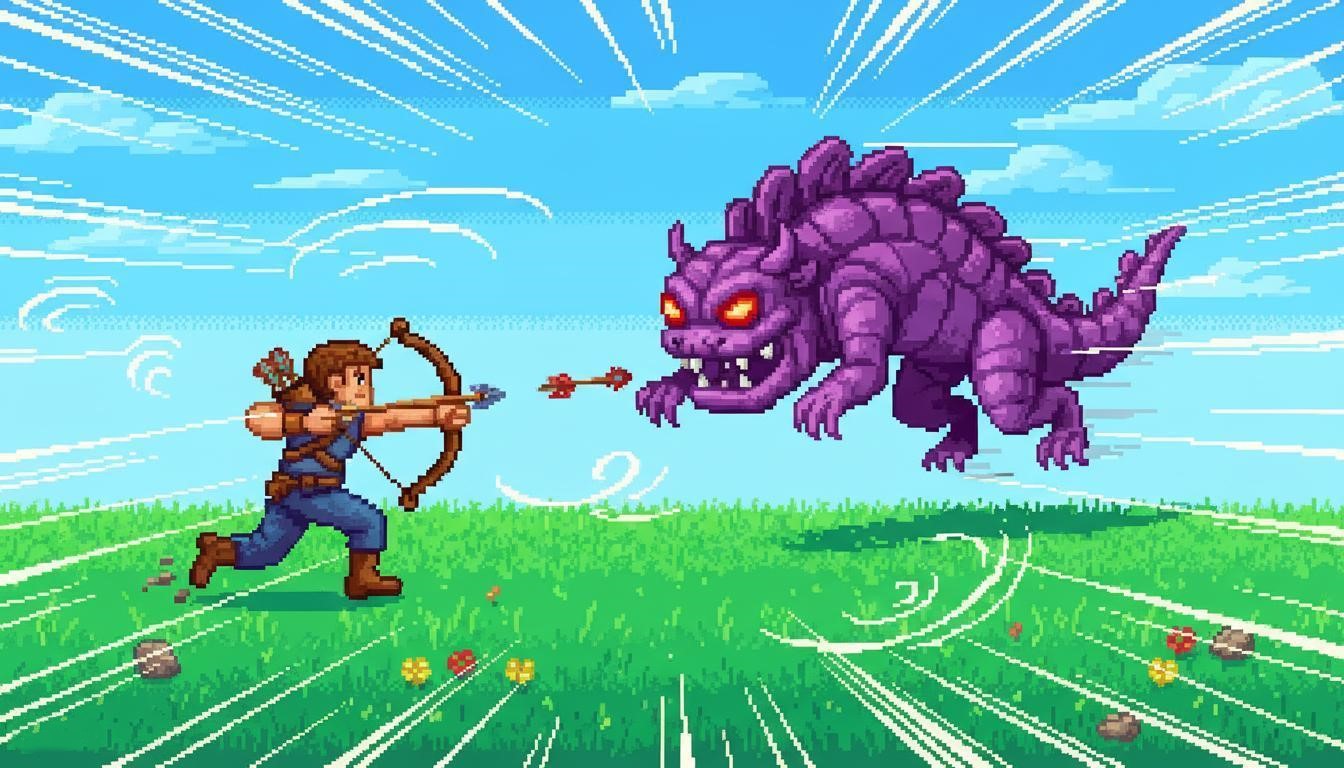
“Imagine you’re fighting someone with a sword, but you only have a bow and arrow. You can’t let them get close or you’re dead. So you shoot them, then run backward, then shoot again, then run backward — always staying just out of their reach. In gaming, we call this ‘kiting’ because the enemy is chasing you like a kite on a string. It’s a core skill for any ranged fighter in competitive games.”