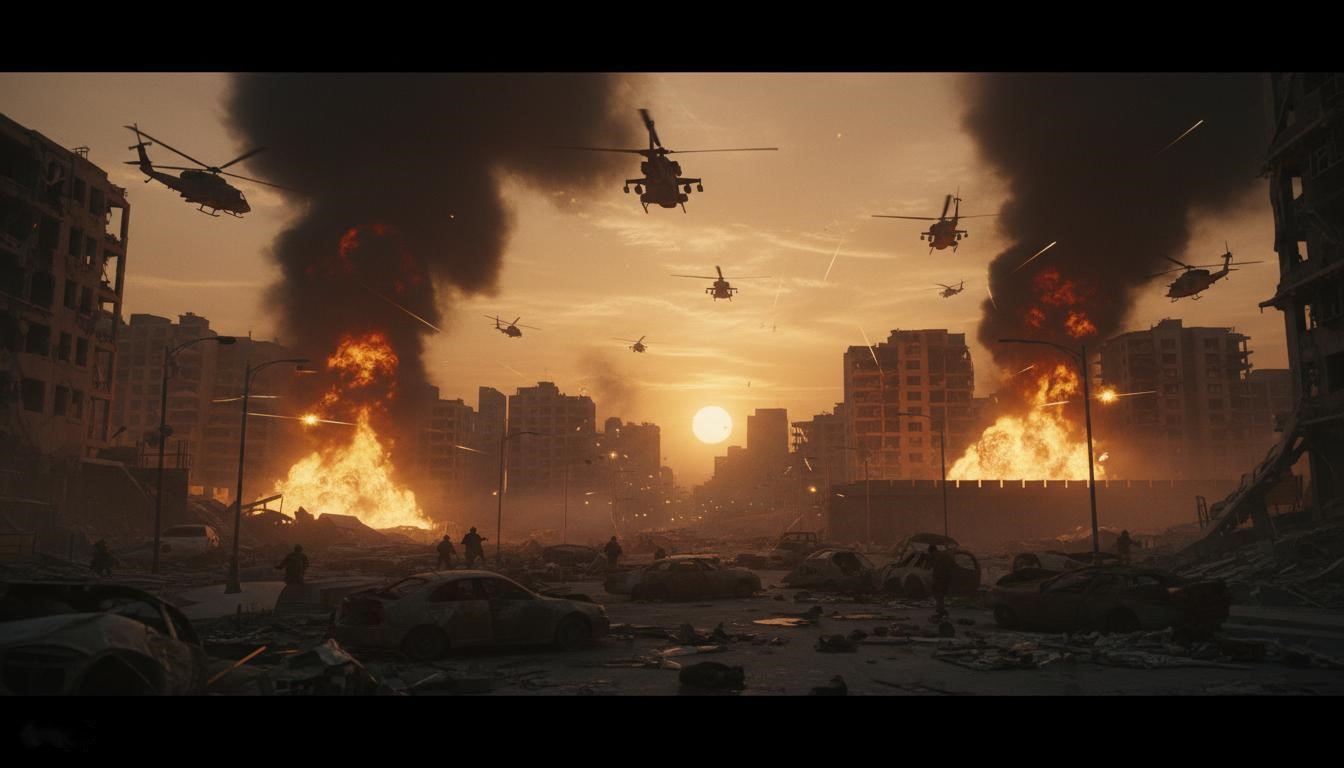
High-Fidelity Contextual Dialogues
Scene: Post-game lobby, reviewing stats
Player A: “15-kill streak, not bad.” Player B: “You got the nuke?” Player A: “Died at 24, one short.” Player B: “Oof. You’ll get it next time.” Player C: “I can’t even get 5 kills without dying.” Player A: “Positioning. Play your life.”
Scene: LAN tournament, crowd reaction to a streak
Caster: “He’s on a 10-kill streak!” Crowd: “WOOOO!” Caster: “11! 12! He’s going for the 20-bomb!” Teammate (voice): “Play slow, don’t throw it!” Crowd: “13! 14!” Caster: “AND HE GETS THE 20-KILL STREAK! NUKE INCOMING!” Crowd: “erupts”
Scene: All-chat, competitive match
Enemy: “you’re on a streak, nice” You: “thanks, UAV inbound” Teammate: “he’s carrying hard” Enemy: “someone end his streak please” Enemy2: “trying, he’s everywhere” You: “gets 30-kill nuke” Enemy2: “gg just gg”
FAQ
Is ‘killstreak’ still used in 2026?
Yes, though the specific mechanics have evolved. Classic Call of Duty games still feature the traditional killstreak system. Modern Warfare III and Black Ops titles continue the tradition with variations like ‘scorestreaks’ (earned through objectives, not just kills). The concept has also spread to other FPS games like Apex Legends and Valorant, where similar reward systems exist under different names. The term itself remains widely used across all FPS communities.
How do you explain ‘killstreak’ to a non-gamer?
“In shooting games, a killstreak is when you eliminate multiple opponents in a row without dying. It’s like consecutive wins in sports — each one builds momentum. Many games reward you with powerful abilities when you achieve certain streaks, like calling in an airstrike or deploying a drone. The longer your streak, the better the rewards, but also the more pressure to stay alive.”
Is ‘killstreak’ the same as a ‘spree’?
They’re very similar but have subtle differences. ‘Killstreak’ is the specific term popularized by Call of Duty, where consecutive kills unlock rewards (UAV, airstrike, nuke). ‘Spree’ or ‘killing spree’ is a more general term used across many games to describe consecutive kills without the reward system. In Halo, for example, you get ‘killing spree’ medals but not ‘killstreak rewards.’ All killstreaks are sprees, but not all sprees are killstreaks in the CoD sense.
When do you use ‘killstreak’?
Use it in FPS games to describe consecutive eliminations without dying, especially when those streaks unlock rewards. The term is most associated with Call of Duty but understood across all shooter communities. You can also use it to describe the rewards themselves (“I’m running the UAV killstreak”). In competitive play, ‘killstreak’ is both a bragging metric and a strategic element.
Trajectory & Chronology
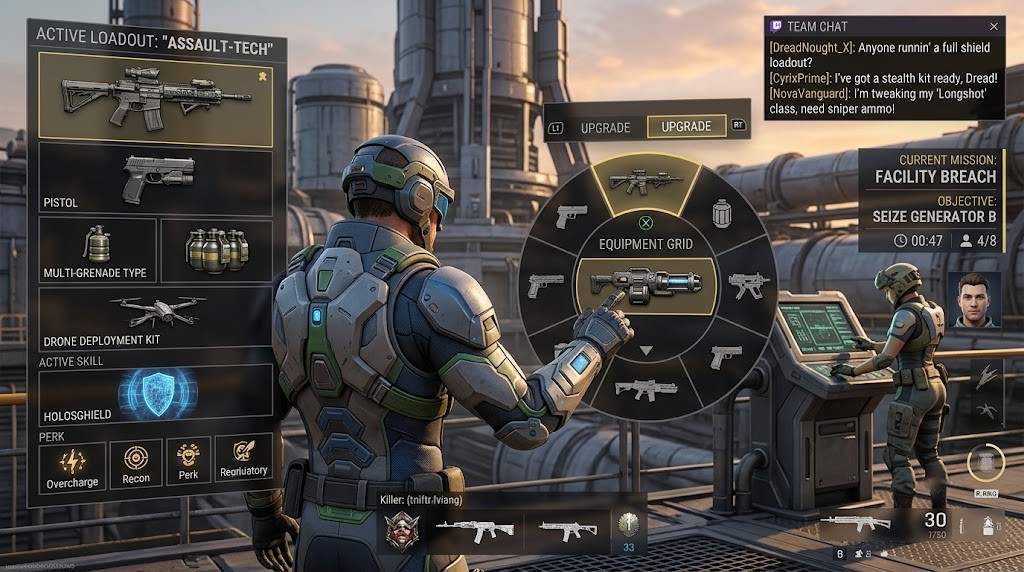
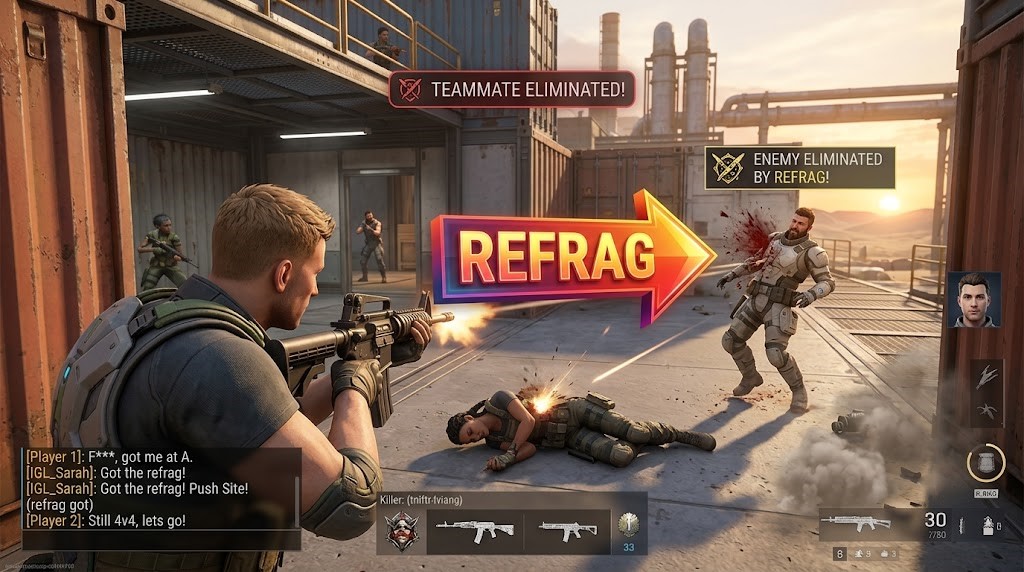
The rise of ‘killstreak’ coincided with the dominance of Call of Duty in the late 2000s, making it a marker of that era’s FPS design philosophy. Call of Duty 4: Modern Warfare (2007) introduced the modern killstreak system — 3 kills for a UAV, 5 for an airstrike, 7 for a helicopter — and it changed multiplayer shooters forever. The concept wasn’t entirely new (games like Unreal Tournament had similar systems), but CoD’s execution was so polished and rewarding that it became the industry standard. Subsequent CoD titles expanded the system: Modern Warfare 2 added the tactical nuke (30-kill streak ends the game), Black Ops introduced customizable streak loadouts, and later games experimented with ‘scorestreaks’ that rewarded objective play. The term ‘killstreak’ became so synonymous with CoD that other games had to use different terminology — ‘spree,’ ‘rampage,’ ‘dominating’ — to avoid being seen as copies.
GEBILAOWANG: Killstreaks are the ultimate dopamine hit in FPS games. You’re already playing well, then the game gives you a TACTICAL NUKE as a reward? That’s game design cocaine right there.
Socio-Cultural Gain
‘Killstreak’ represents a fundamental shift in FPS design — moving from pure skill-based competition to systems that reward and amplify success. The concept created moments of genuine excitement: a player on a 20-kill streak becomes the center of attention, with both teams focusing entirely on stopping or protecting them. This ‘main character’ dynamic made multiplayer FPS more watchable, contributing to the rise of CoD streaming and esports. The 30-kill tactical nuke became a cultural touchstone — achieving one was a badge of honor, a story you’d tell for years. However, killstreaks also sparked debate about game design: critics argue they punish new players and create snowball effects where the best players get even stronger tools. The evolution from ‘killstreaks’ to ‘scorestreaks’ reflects this tension — rewarding objective play, not just eliminations. The term has entered non-gaming contexts too; ‘on a killstreak’ describes any run of consecutive successes in life.