High-Fidelity Contextual Dialogues
Scene: Discord, game announcement night
User1: “THEY JUST DROPPED THE TRAILER” User2: “OMFG IS IT GOOD” User1: “IT’S 4 MINUTES OF PURE HYPE” User3: “I’m shaking” User4: “did they show gameplay or just cinematic” User1: “BOTH. AND A RELEASE DATE” Discord: notification spam explodes
Scene: Twitch chat, major esports final
Chat: “HYPE HYPE HYPE” Streamer: “Chat is this the most hype moment in esports history?” Chat: “YES” Chat: “ABSOLUTELY” Chat: “I CANT BREATHE” Streamer: “Same honestly, my heart is going crazy”
Trajectory & Chronology
“Hype” started as hip-hop slang in the 1980s — short for “hyperactive” — describing intense energy and excitement. It entered gaming culture in the late 1990s through fighting game tournaments, where crowds would get “hype” during clutch moments. The FGC (Fighting Game Community) essentially pioneered hype culture — screaming crowds, pop-offs, and the electric atmosphere that defined events like Evo. By the 2010s, “hype” had spread to all gaming genres. Game companies began intentionally building “hype cycles” — teaser trailers, beta sign-ups, influencer early access — all designed to maximize pre-launch excitement. Streamers amplified the concept: “hype moments” became clip-worthy events that drove views. In 2026, “hype” is both a noun (“this trailer has so much hype”) and a verb (“they’re hyping up the new season”), embedded deep in gaming’s emotional vocabulary.
GEBILAOWANG: Hype is basically the currency of gaming. No hype means no players, no viewers, no sales. The best games don’t just deliver — they make you FEEL something before you even play.
Socio-Cultural Gain
Hype is the emotional engine that drives the entire gaming industry. Pre-orders, beta sign-ups, Twitch viewership — all of it runs on hype. The psychology is simple: anticipation is often more pleasurable than the actual experience. Game companies know this and have turned hype generation into a science — drip-feeding information, limited-time events, and influencer partnerships all designed to keep players in a constant state of excitement. But hype has a dark side: overhyped games that fail to deliver create a cycle of disappointment (Cyberpunk 2077, anyone?). The “hype train” metaphor is apt — it’s exhilarating while it’s moving, but devastating when it derails.
FAQ
Q3: Is hype good or bad for gaming?
Both. Hype drives innovation and builds communities around upcoming releases. But overhype leads to unrealistic expectations and disappointment. The best approach? Enjoy the hype, but keep your expectations grounded. A game is just a game — even the most hyped one.
Q1: What was the most hyped game release ever?
Cyberpunk 2077 probably holds the record — years of teasers, Keanu Reeves at E3, and a marketing budget that could fund a small country. The hype was so massive that the actual game, despite being good, could never live up to it. Other contenders: GTA VI, Halo 3, and pretty much any FromSoftware release.
Q2: How do companies create hype?
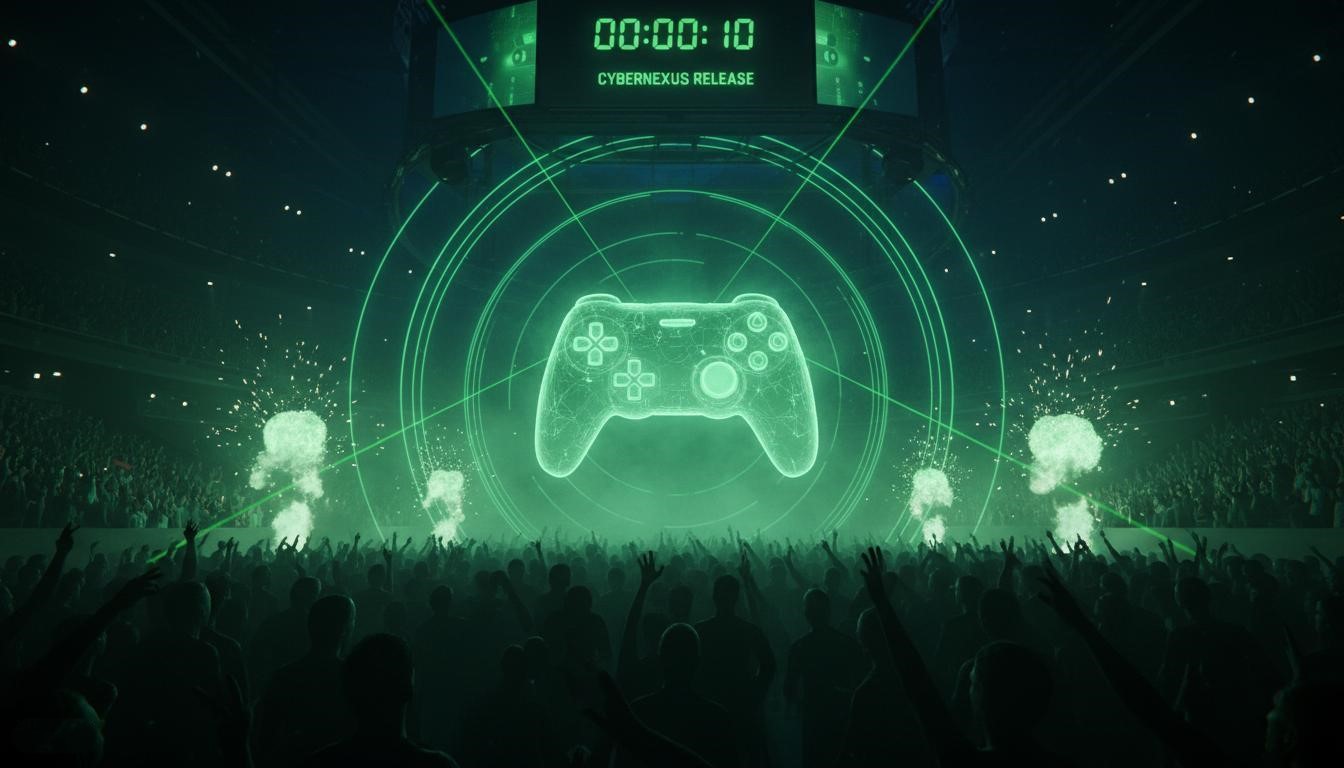
Teaser trailers with zero gameplay. Countdown timers. Influencer early access. “Accidental” leaks. Limited beta sign-ups that make you feel special for getting in. It’s all psychological manipulation, and honestly? It works every time.
Q4: How do I explain hype to a non-gamer?
“In gaming, ‘hype’ is the excitement and anticipation that builds around a new game or event. It’s like the energy before a concert or the buzz before a movie release — that feeling that something amazing is coming and you can’t wait to experience it.”