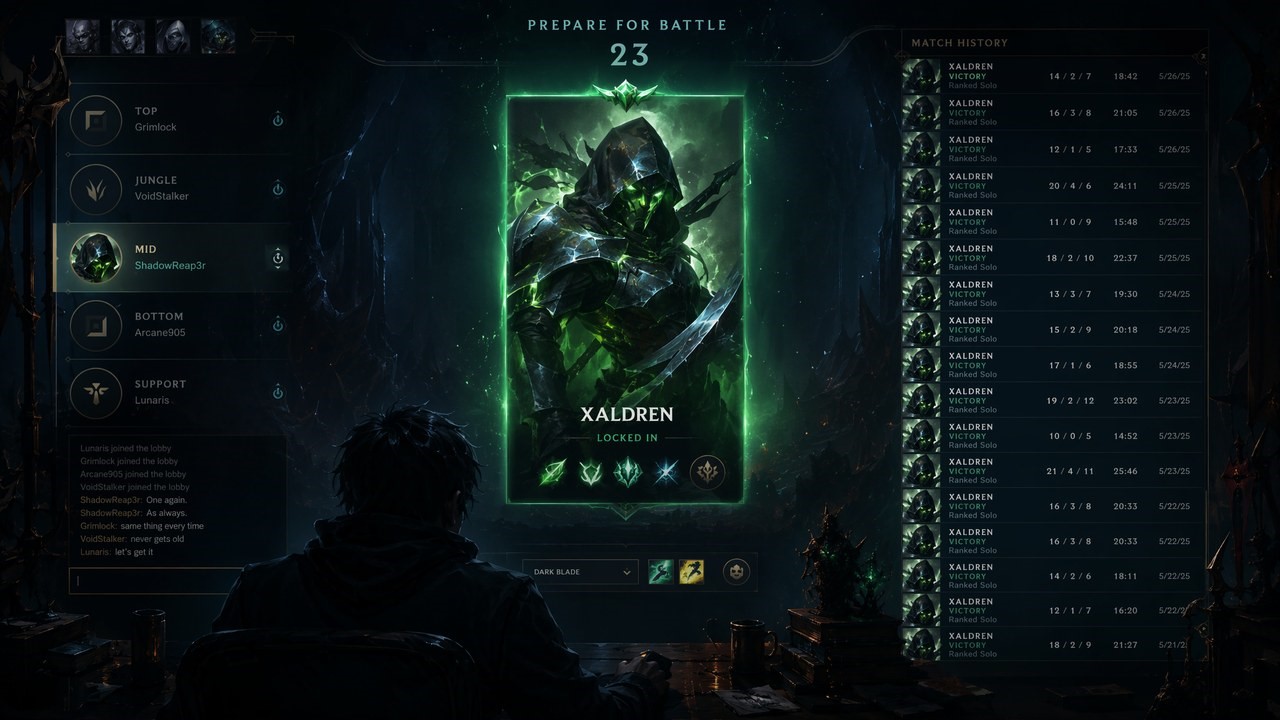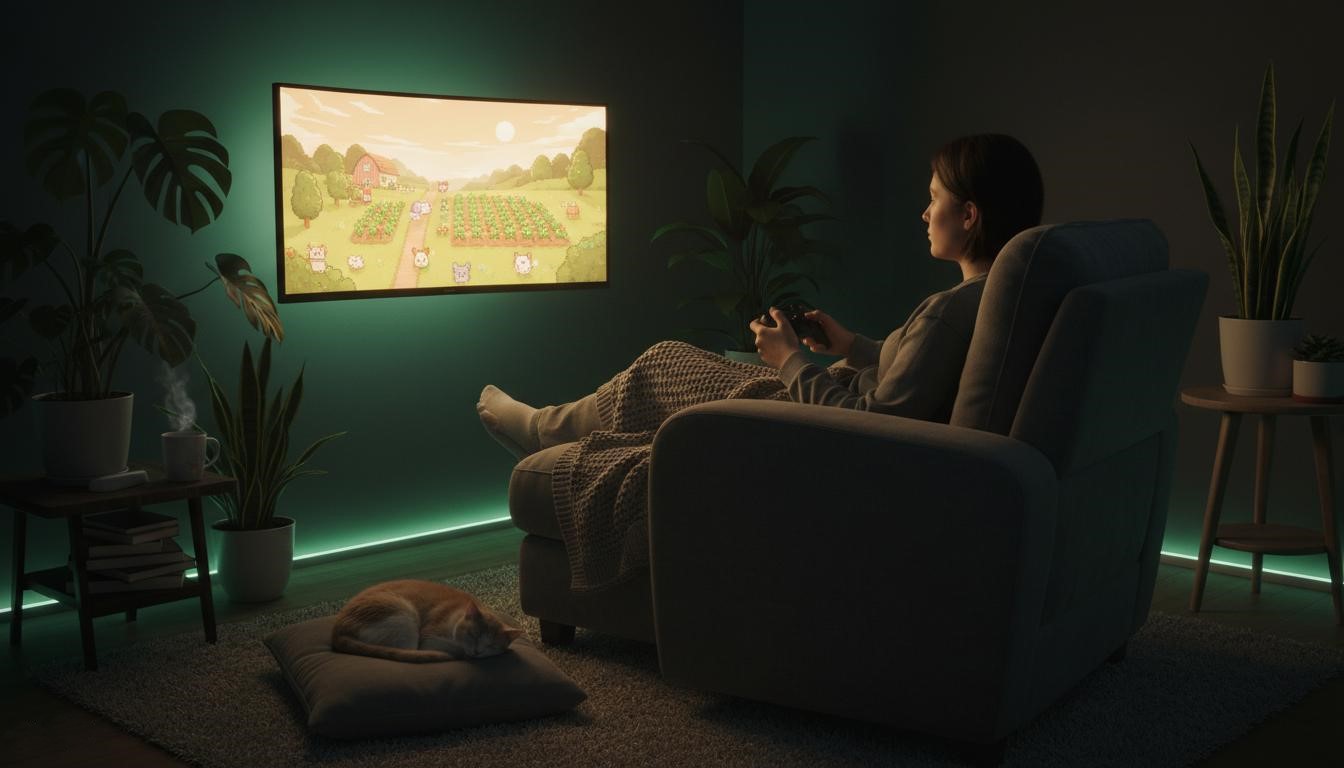
“Healing gaming” is the antidote to competitive burnout. After hours of ranked matches, intense team fights, and toxic lobbies, sometimes you just need to play something that doesn’t raise your heart rate. That’s where healing gaming comes in — games that heal your mental state rather than test your skills.
Trajectory & Chronology
The concept of “healing gaming” emerged organically from gaming communities around 2018-2020, as the line between competitive and casual gaming sharpened. The term draws directly from Korean wellness culture, where “healing” (힐링) describes any activity that restores mental peace — from forest walks to ASMR videos. Gaming adopted this framework as competitive titles like Valorant, League of Legends, and Apex Legends intensified, leaving players mentally exhausted. By 2021, “healing gaming” had become a recognized genre descriptor on platforms like Steam and Twitch. The COVID-19 pandemic accelerated adoption as players sought gaming experiences that reduced rather than increased stress. In 2026, healing gaming is an established practice — most serious competitive players maintain a rotation of healing games alongside their competitive titles. The vocabulary has expanded to include “cozy gaming,” “comfort games,” and the self-aware “I need to touch grass but I’ll play Stardew instead.”
GEBILAOWANG: You can’t perform at your best if you’re always peaked. Take the time to heal.
High-Fidelity Contextual Dialogues
Scene: Discord chat, post-ranked Valorant session
Player A: “I dropped three ranks today. I need some healing gaming.” Player B: “Same. My mental is shattered.” Player A: “Stardew Valley?” Player B: “Stardew Valley. Nothing but farming and vibes.”
Scene: Twitch stream, competitive player switching games
Streamer: “Chat, I’ve played 6 hours of ranked. My hands are shaking. Time for healing gaming.” Chat: “COZY GAMES” Streamer: “Loading up Animal Crossing. We’re catching bugs and paying off debt.” Chat: “the most healing stream”
Scene: Friend group planning game night
Player A: “I warm up with Valorant, wind down with Animal Crossing.” Player B: “That’s your whole personality in one sentence.” Player A: “Hey, balance is important.” Player C: “What’s the most healing game we can all play?” Player A: “PowerWash Simulator. Trust me.”
Scene: During a tilt spiral
Player A: “I’m too angry to play competitive. Time for Stardew.” Player B: “Good call. Your last three messages were just keyboard mashing.” Player A: “I WAS FRUSTRATED.” Player B: “Go plant some virtual crops. We’ll be here when you’re human again.”
Scene: Discussing gaming burnout
Player A: “Haven’t enjoyed gaming lately. Everything feels like work.” Player B: “Sounds like you need healing games, not a break from gaming.” Player A: “What’s the difference?” Player B: “A break means stopping. Healing gaming means playing something that makes you happy instead of something that makes you want to scream.” Player A: “…Stardew Valley?” Player B: “Always Stardew Valley.”
Socio-Cultural Gain
Healing gaming represents a significant cultural shift in how gaming communities approach mental health. For decades, gaming culture celebrated endurance — the all-nighter, the 12-hour ranked session, the “git gud” mentality. Healing gaming introduces a counter-narrative: that it’s not just okay but necessary to step back and play something gentle. This has resonated strongly with younger gamers who grew up with wellness culture and therapy language.
The term has helped destigmatize casual gaming. Where “casual” was once an insult implying lesser skill, healing gaming frames it as intentional self-care — a deliberate choice, not a lack of ability. The emergence of “cozy game” as a legitimate genre on Steam, with dedicated tags and curated lists, shows how deeply this concept has penetrated gaming culture. Streamers who specialize in healing gaming — often called “comfy streamers” — have built substantial audiences, proving that there’s massive demand for low-stakes, positive content. Healing gaming isn’t just a trend; it’s a correction to gaming’s hyper-competitive culture, acknowledging that rest is as important as performance.
Tilt — What healing gaming cures. Touch grass — The extreme version of taking a break. Cozy gaming — Similar concept, more genre-focused.
FAQ
Q1: What makes a game a “healing game”?
A: Healing games share key characteristics: no competitive pressure (no ranks, no leaderboard anxiety), low cognitive load (simple mechanics, relaxing pace), positive atmosphere (cute visuals, calming music), and progression without stress. Popular examples include Stardew Valley, Animal Crossing, Cozy Grove, Unpacking, and PowerWash Simulator.
Q2: Is healing gaming just for casual players?
A: Absolutely not. Some of the most dedicated competitive players are the biggest advocates for healing gaming. Professional esports athletes use low-stakes games to decompress between tournaments. The idea that “serious gamers” only play competitive titles is outdated — sustainability requires balance.
Q3: Can healing gaming actually help with mental health?
A: Research supports the idea that low-stakes, positive gaming experiences can reduce cortisol levels and provide genuine mental health benefits. Studies have shown that relaxing games can lower heart rate and reduce stress markers. However, healing gaming is a supplement to, not a replacement for, professional mental health support when needed.