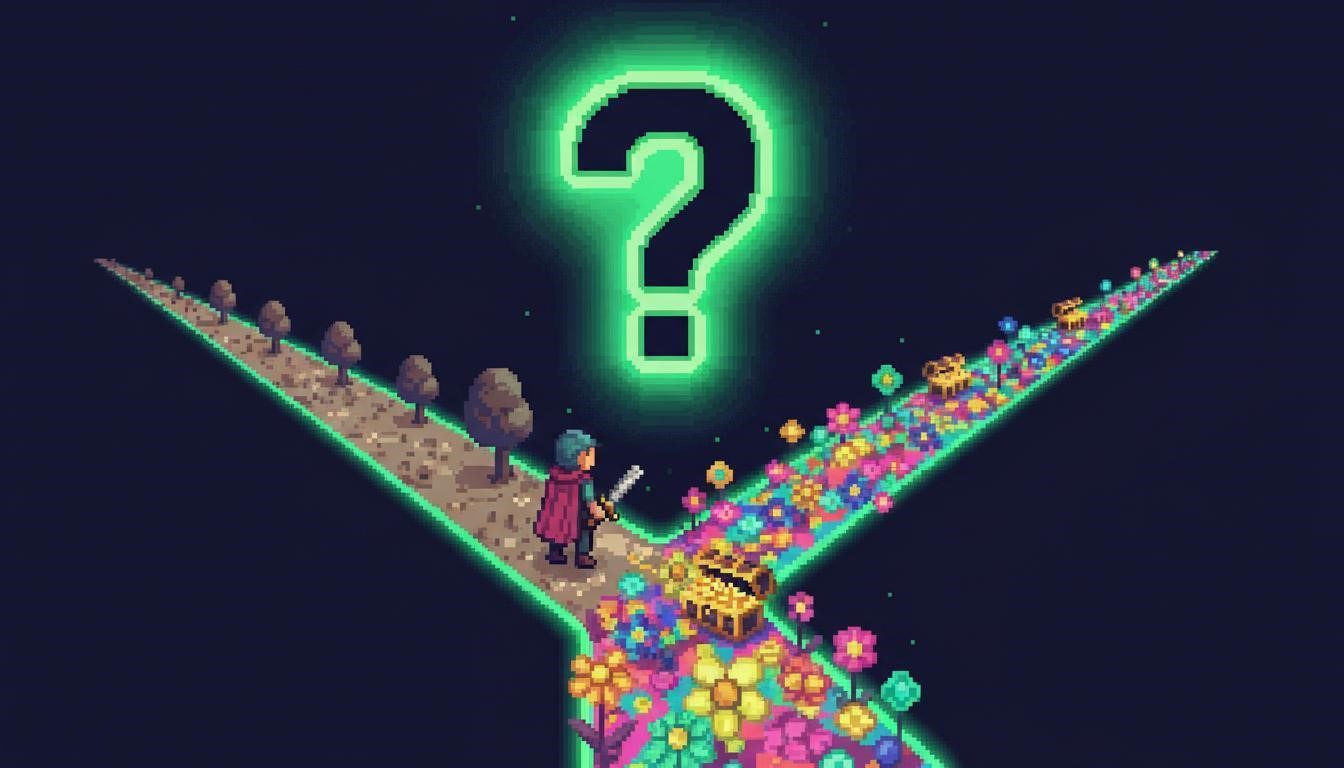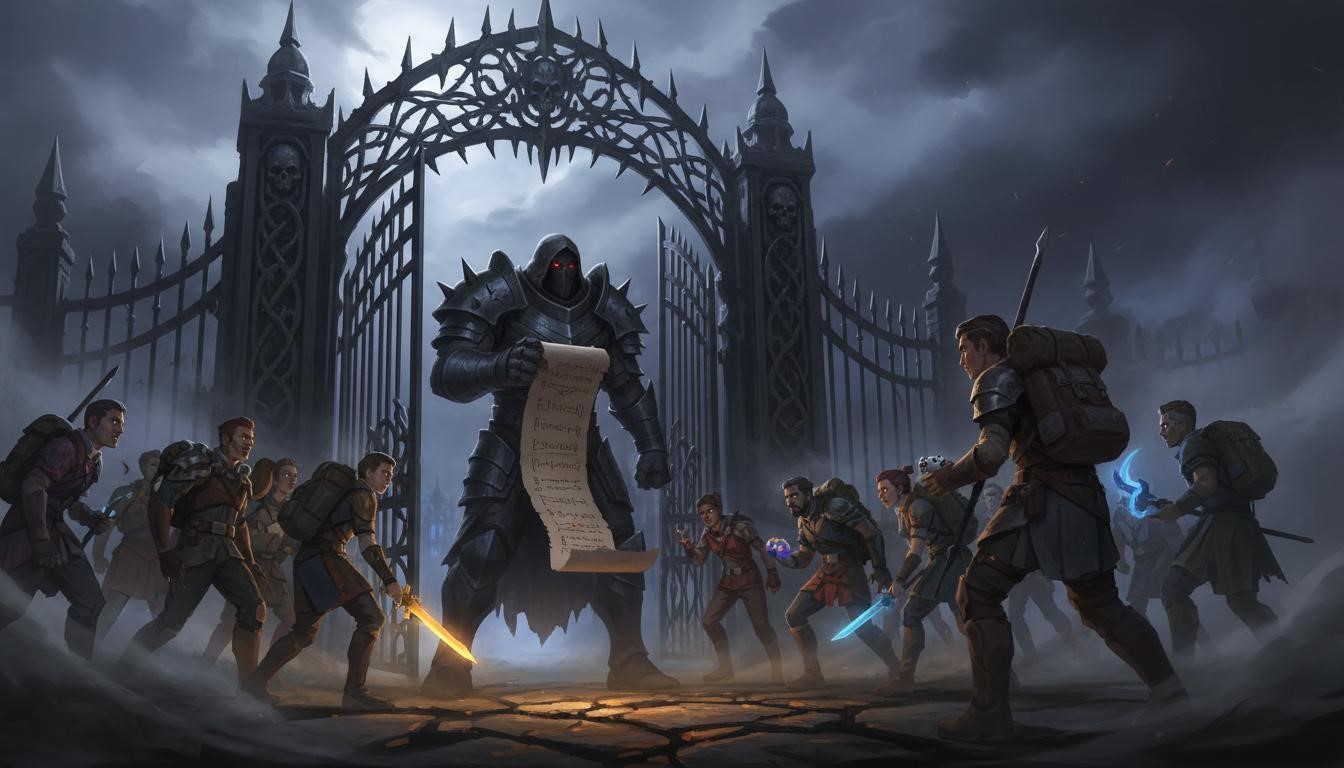
In gaming, ‘gatekeep’ means to deliberately control or restrict access to a game, hobby, or community, often by making newcomers feel unwelcome or establishing arbitrary barriers to participation. Common in niche gaming communities.
Socio-Cultural Gain
Gatekeep represents the tension between community identity and inclusivity that every gaming subculture navigates. On one hand, communities want to maintain their culture, standards, and traditions. On the other hand, gatekeeping shrinks communities and drives away potential new members. The term has become particularly important in gaming because the industry is actively trying to expand its audience — gatekeeping works against that goal. ‘Gatekeeping’ accusations now appear in virtually every gaming debate: difficulty settings (’easy mode isn’t real gaming’), platform choice (‘mobile games don’t count’), playstyle preferences (‘casuals ruin competitive games’), and knowledge depth (‘you’re not a real fan if you haven’t played the original’). The counter-movement is ‘gatekeeping is cringe’ — a push to welcome newcomers regardless of their experience level. Some companies have leaned into anti-gatekeeping as a marketing strategy, emphasizing accessibility and welcoming all player types.
Trajectory & Chronology
While many slang terms fade within years, ‘gatekeep’ has remained relevant because it describes an eternal social dynamic in hobby communities, staying in use since the early 2010s and expanding dramatically within gaming by the mid-2010s. The term comes from the literal concept of a gatekeeper — someone who controls access to a physical space. In gaming, it refers to veteran players who act as self-appointed guardians of their hobby, deciding who is ‘real’ enough to participate. The term gained mainstream traction around 2015-2016 through Tumblr and Twitter discussions about fandom culture, then spread to gaming communities. By 2020, ‘gatekeeping’ was one of the most common criticisms leveled at gaming communities — from fighting game players mocking newcomers for not knowing frame data, to PC gamers shaming console players, to retro game collectors pricing out new enthusiasts. In 2026, ‘gatekeep’ has become both an accusation and a self-aware joke, with communities actively trying to combat gatekeeping to grow their player bases.
GEBILAOWANG: Every gaming community claims to hate gatekeeping, but every gaming community also has that one guy who says ‘you’re not a real fan if…’
High-Fidelity Contextual Dialogues
Scene: Reddit, community discussion
User1: “I just got into Dark Souls and I’m loving it!” User2: “Wait until you meet the gatekeepers who say you’re not a real fan if you use summons” User1: “I already saw someone say that in another thread” User2: “Ignore them. Play however you enjoy. Gatekeeping is cringe.” User3: “Using summons is literally a game mechanic. The developers put it there. Gatekeepers are wrong.”
Scene: Discord, friend group debate
Alex: “I play games on easy mode because I have limited time” Jordan: “Nothing wrong with that” Marcus: “Easy mode defeats the purpose though, the challenge IS the game” Jordan: “That’s gatekeeping. Let people enjoy things however they want.” Marcus: “I’m not gatekeeping, I just think easy mode changes the experience” Alex: “It does, and that’s the experience I want. No shame in that.”
Scene: Twitch chat, streamer addresses community
Streamer: “Chat, if someone says they’re new to the game and asks a ‘dumb’ question, be helpful. Don’t gatekeep.” Chat: “facts” Chat: “gatekeeping is cringe” Chat: “we were all new once” Streamer: “The community grows when we welcome people, not when we shame them for not knowing everything day one.”
FAQ
Q3: What’s the difference between gatekeeping and having standards?
Gatekeeping is about excluding people based on arbitrary criteria they can’t control (platform, experience level, playstyle). Having standards is about maintaining quality within a community (competitive rank requirements, age restrictions, behavior rules). The key difference: standards are inclusive barriers you can meet; gatekeeping is exclusive barriers designed to keep people out.
Q1: Is gatekeeping always bad?
Mostly yes, but there are nuances. Gatekeeping against genuinely disruptive players (trolls, cheaters) is necessary community protection. Gatekeeping against newcomers or casual players is almost always harmful. The phrase ‘gatekeeping is cringe’ has become a rallying cry for inclusive gaming communities, but some argue that completely open communities lose their identity.
Q2: How do I avoid gatekeeping?
Welcome newcomers, answer ‘obvious’ questions without sarcasm, respect different playstyles and platforms, remember you were new once too, and focus on shared enthusiasm rather than knowledge gaps. If someone’s having fun, they’re doing it right — regardless of difficulty, platform, or experience level.
Q4: How do I explain ‘gatekeep’ to a non-gamer in one sentence?
“It’s when someone in a hobby community tries to control who gets to participate by making newcomers feel unwelcome or saying they’re not ‘real’ fans unless they meet certain arbitrary standards.”