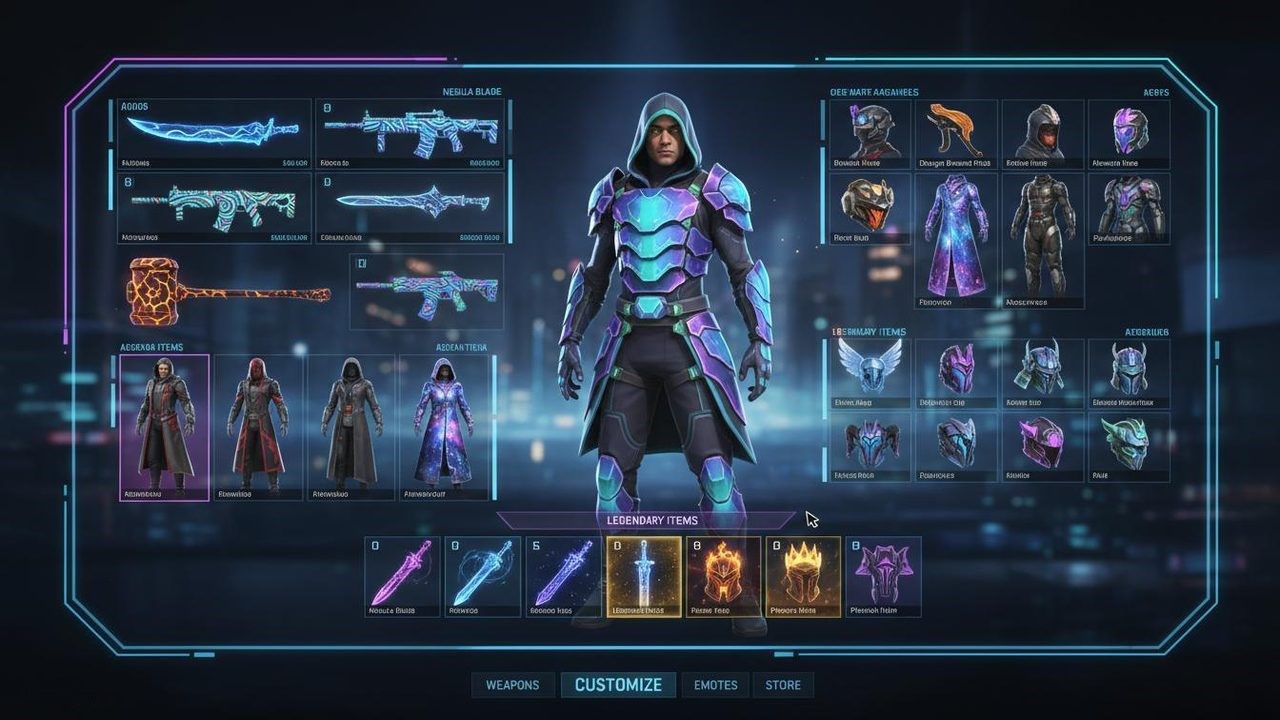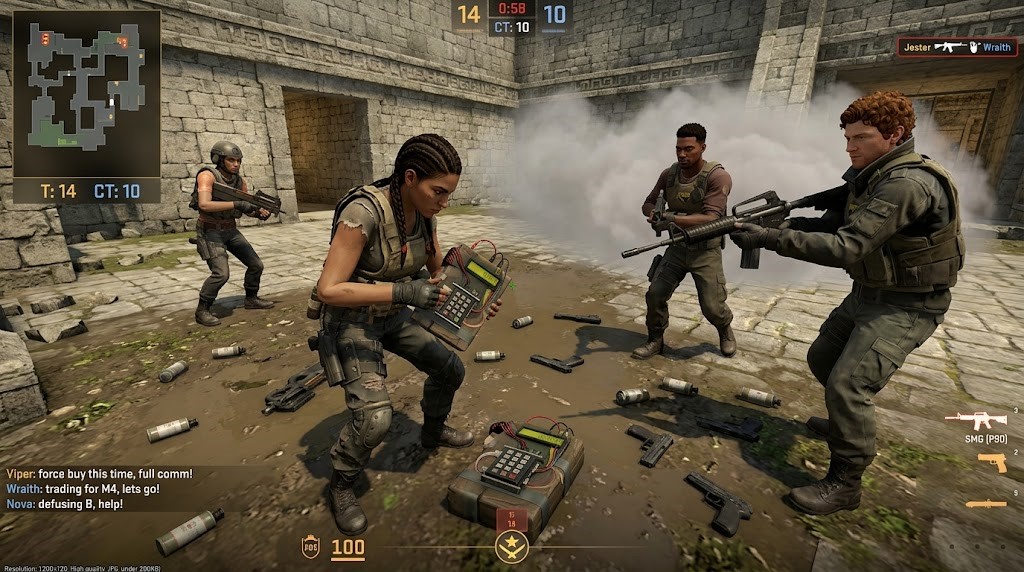
Round 4. Your team has $2,900, one saved rifle, and the buy menu is judging you. Then somebody types it in chat: “force?”
Why Gamers Can’t Quit the Force Buy
A force buy is spending most or all of your money even though your team can’t afford a proper full buy. It’s the most tempting bad decision in tactical shooters, and every ranked player alive has a relationship with it. The call feels heroic. You are not running from the half. You are fighting back with a Deagle and a dream.
The problem is the hangover. Win it and you break the enemy’s economy and their momentum. Lose it? Two more rounds of poverty. Plus the shame. I’ve watched more halves die to emotional forcing than to actual aim, and I’ve done my share of the killing. (The scoreboard remembers.)
A Quick History of the Force Buy
Where did the force buy come from? Counter-Strike invented the round economy, and the vocabulary grew out of it. Teams tracked money across rounds, and a whole language formed: eco, save, full buy, anti-eco. The force buy was always the chaos option in that system, the moment a team decided the spreadsheet no longer mattered.
CS2 raised the stakes on it. The switch to MR12, twelve rounds per half, means every bad buy burns a bigger slice of the match. Valorant borrowed the same language wholesale for its own credit system, so the term now lives in both communities with identical meaning. Casters say it, coaches drill it, and your ranked IGL screams it into a muted mic.
Real Examples of a Force Buy
Buy phase, CS2 ranked:
“eco this, we full buy next” “I can drop one rifle” “wait, they won last round with one guy alive. their money is fake. FORCE.” “…I hate that you’re right.”
Discord, post-match autopsy:
“You forced three rounds in a row.” “The second one almost worked.” “Almost doesn’t un-break our economy, Dave.”
Here’s the framework I play by after too many broke halves. If losing this round ends your map anyway, money stops mattering: force. If next round matters more than this one, save. There’s also the old three-round rule: if the enemy is within three rounds of closing the game and you’re more than three from tying, you’re forcing whether you like it or not.
One thing not to do: force out of frustration. A force buy is a team decision with a plan behind it, not a feeling. Two players forcing while three save isn’t a force buy. It’s a donation.
FAQ
Is a force buy the same as an eco round?
Exact opposites. An eco round means spending almost nothing to build money for later. A force buy means spending almost everything to fight right now. One sacrifices the present for the future. The other mortgages the future for the present. Knowing which situation you’re in is half of being a good teammate.
When is a force buy actually correct?
A few classic spots. You lost pistol round on T side but got the bomb down. The enemy won their last round with only one or two players alive, so their economy is fragile. A teammate saved a big weapon you can force around. It’s late in the half and there’s no “later” to save for. Or it’s match point and losing means going home. The last round of a half is always a force, because the money doesn’t carry over.
Does Valorant have force buys too?
Yes, same concept, same word. Creds instead of dollars, but the logic transfers completely. Valorant even helps you out: the buy menu shows your minimum money for next round, so you know exactly how much damage a force would do. Check it before you let your heart make the call. Then watch your team clutch the round anyway, because this game refuses to respect math.