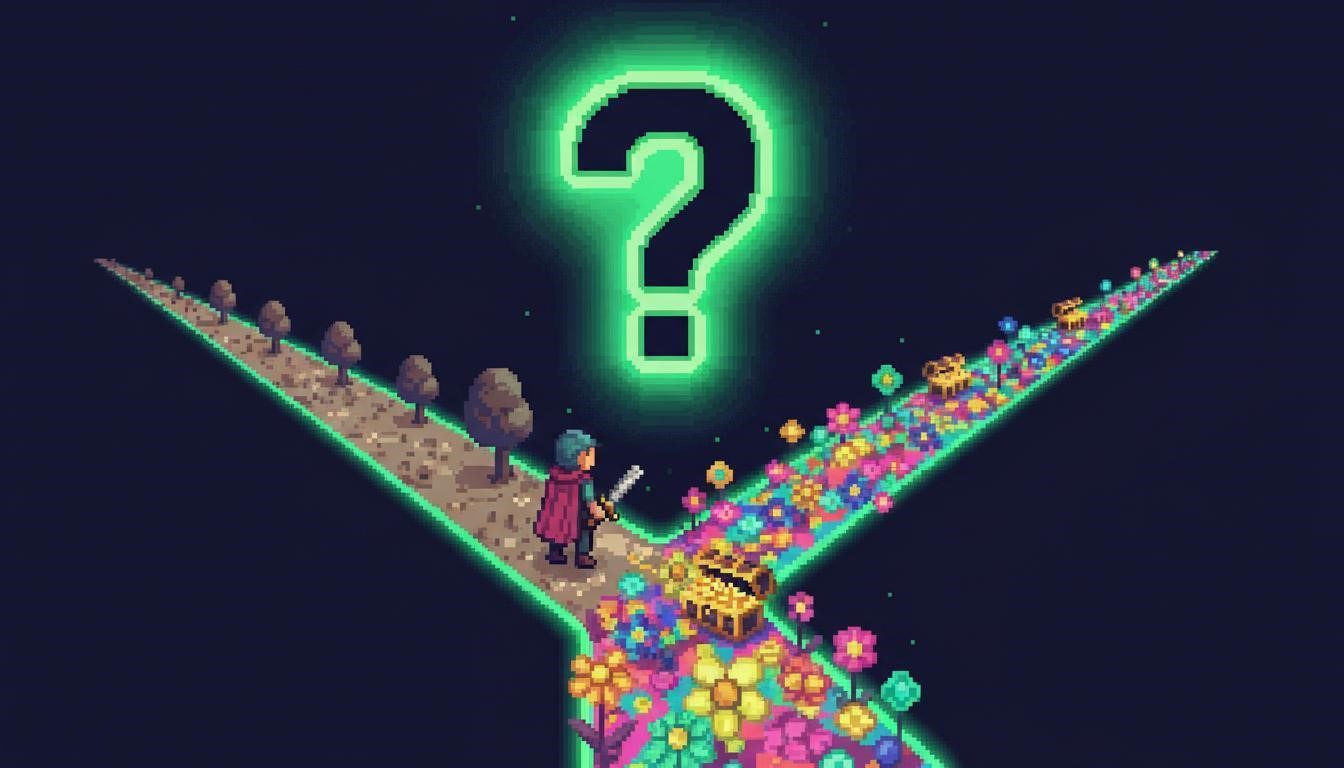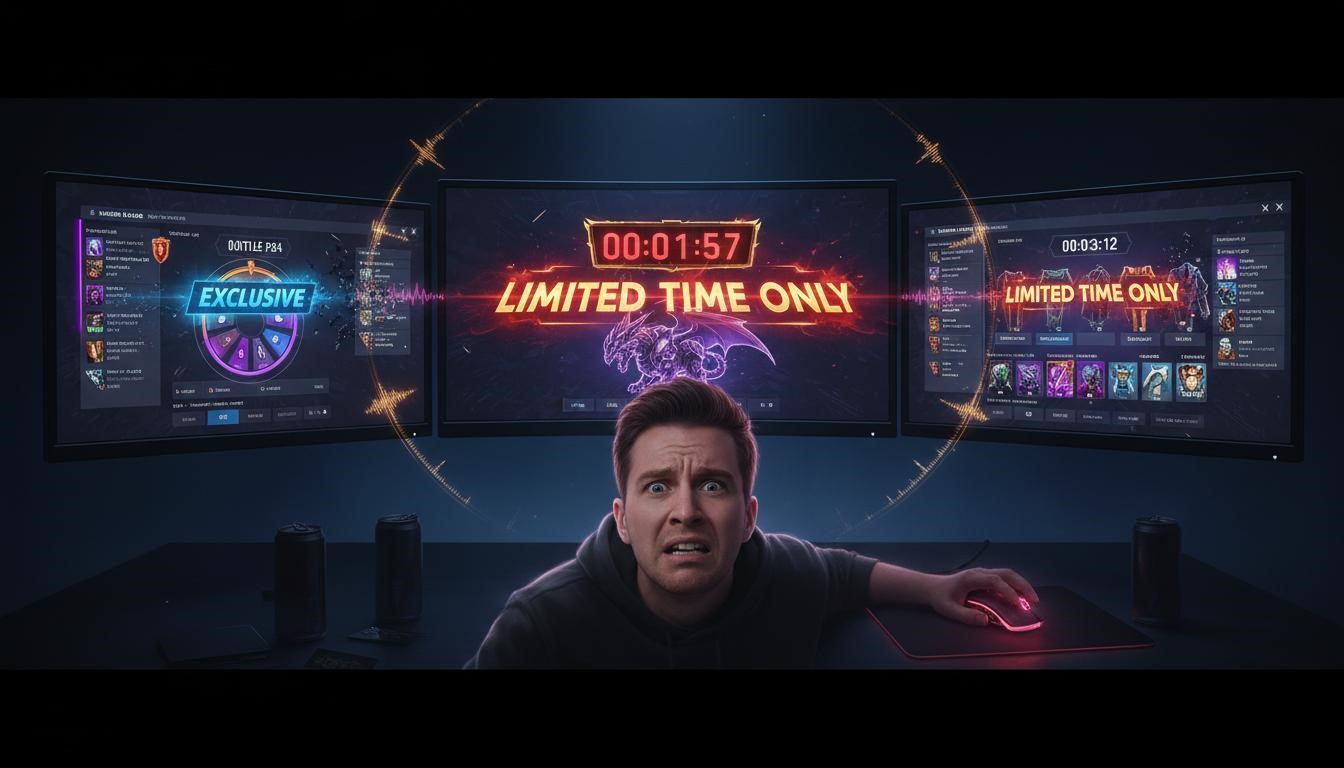
In gaming, FOMO stands for Fear Of Missing Out — the anxiety that you’ll miss limited-time events, exclusive items, or seasonal content. The psychological engine that drives battle pass sales.
Trajectory & Chronology
FOMO originated in marketing psychology in the early 2000s, describing the anxiety people feel when they believe others are having rewarding experiences they’re not part of. The term entered gaming in the mid-2010s with the rise of battle passes and seasonal events — limited-time content that creates artificial scarcity. Games like Fortnite (2017) mastered FOMO-driven design, with battle passes that expire at season’s end and exclusive cosmetics that never return. By 2020, FOMO was a core game design strategy. In 2026, virtually every live-service game uses FOMO to drive engagement and spending.
GEBILAOWANG: FOMO is the most powerful force in gaming. It makes rational people spend irrational amounts of time and money on pixels that will be irrelevant in three months.
High-Fidelity Contextual Dialogues
Scene: Battle pass pressure
Player A: “I need to grind 20 more levels before the season ends” Player B: “Why?” Player A: “The skin at tier 100 is exclusive. It’ll never come back” Player B: “That’s FOMO talking. Is a skin worth your sanity?”
Scene: Event anxiety
Player A: “I can’t play this weekend, I’ll miss the event” Player B: “It’ll come back eventually” Player A: “No, they said it’s a one-time thing!” Player B: “Classic FOMO. Take a break. The game will still be there.”
Scene: Purchase justification
Player A: “I bought the battle pass even though I don’t have time to finish it” Player B: “Why?” Player A: “What if they never release this skin again?” Player B: “That’s $10 worth of FOMO. At least recognize it for what it is.”
Socio-Cultural Gain
FOMO represents the intersection of game design and behavioral psychology. While game developers claim limited-time content creates “excitement” and “urgency,” critics argue it exploits psychological vulnerabilities — particularly in younger players. The ethics of FOMO-driven design have been debated extensively, with some countries considering regulations around battle passes and loot boxes. Players have developed their own coping mechanisms: the “FOMO is a choice” movement encourages gamers to skip content without guilt, recognizing that missing a cosmetic item doesn’t diminish their enjoyment. The healthiest gaming relationship is one where FOMO has no power — where you play because you want to, not because you’re afraid of missing out.
Battle Pass — A seasonal progression system with limited-time rewards. Seasonal Content — Game content only available during a specific time period. Fear of Missing Out (general) — The broader psychological phenomenon.
FAQ
Q1: Is FOMO in games intentional design?
A: Yes. Game designers explicitly use limited-time content, exclusive rewards, and seasonal resets to drive engagement. It’s a deliberate business strategy.
Q2: How do I deal with gaming FOMO?
A: Remember that digital items have no real value. Missing a skin doesn’t affect your gameplay. Set boundaries on playtime and spending. Focus on games you enjoy, not games that pressure you.
Q3: Do games without FOMO exist?
A: Yes. Single-player games, games without live-service elements, and subscription-based games (like MMOs with set monthly fees) typically don’t use FOMO. Classic games and indies are often FOMO-free.