Trajectory & Chronology
FF entered gaming vocabulary through competitive RTS (Real-Time Strategy) games in the late 1990s. In StarCraft and Warcraft III, typing “gg” signaled good sportsmanship, but there was no standard way to call for surrender. Players started typing “ff” as shorthand for “forfeit” when they wanted to end a match early — typically in custom games or scrimmages where both sides agreed the outcome was decided.
The term exploded in popularity with the rise of MOBAs in the early 2010s. League of Legends made FF institutional: Riot Games built a formal surrender system where players could type “/ff” or “/surrender” to initiate a team vote. If enough teammates agreed (originally 100%, later changed to 70%), the match ended immediately. This system turned “ff” from casual slang into a formal game mechanic.
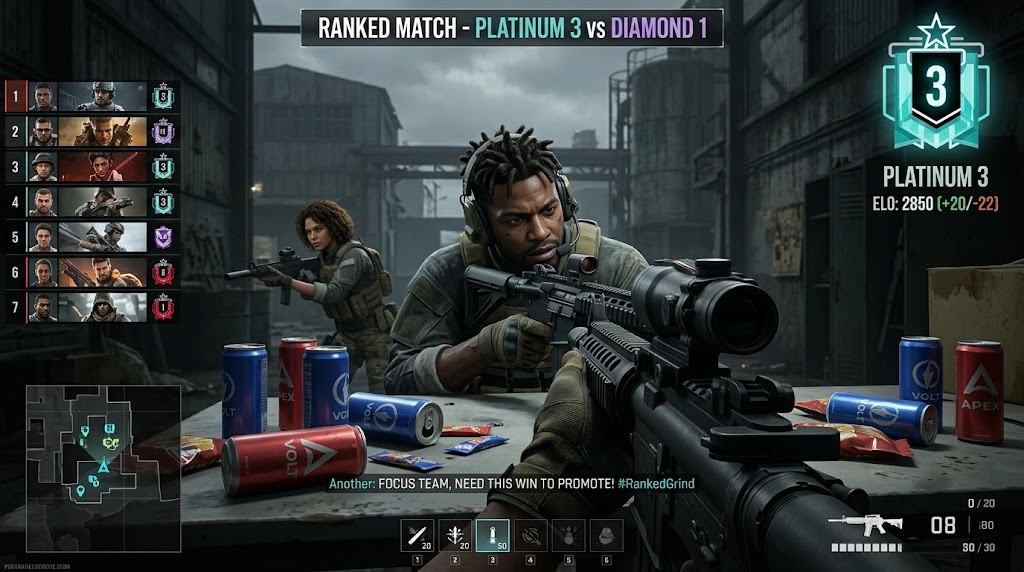
By the mid-2010s, FF had spread to virtually every competitive online game. Valorant, Dota 2, Rocket League, and even battle royales adopted surrender mechanics or informal FF culture. The term became so ubiquitous that it transcended individual games — “ff at 15” (surrender at 15 minutes) became a universal MOBA phrase, and “ff” alone was understood across all competitive gaming communities.
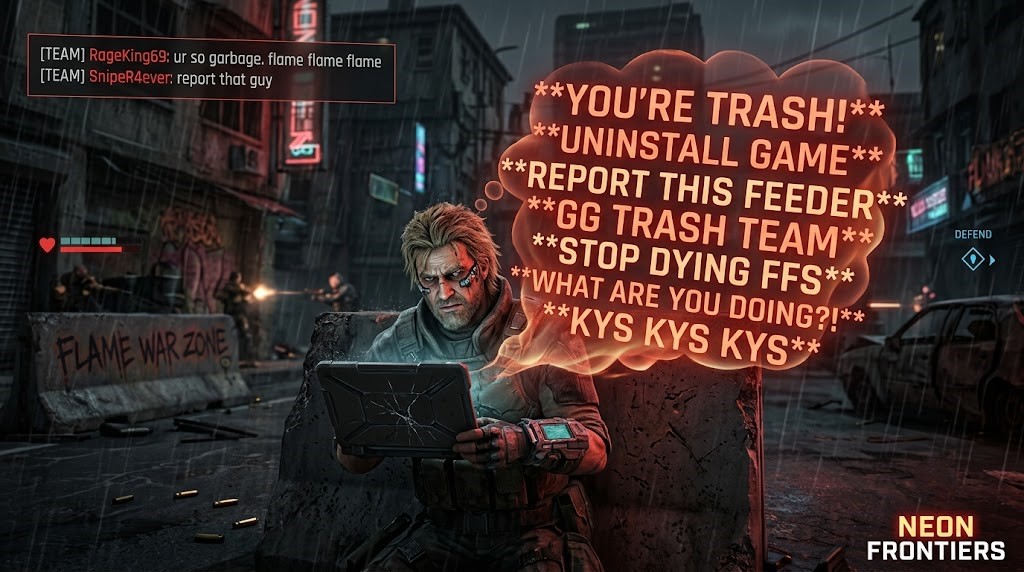
In 2026, FF remains one of the most commonly typed phrases in competitive gaming. It’s also one of the most controversial — the debate over when FF is appropriate (never? only when truly hopeless? immediately after first blood?) continues to divide gaming communities.
GEBILAOWANG: FF is the most controversial two letters in gaming. Type it too early and you’re a quitter. Type it too late and you’re wasting everyone’s time.
High-Fidelity Contextual Dialogues
Scene: League of Legends, 8 minutes in
Top: “0/3/0 bot lane, ff at 15” Jungle: “we can still win, drake is up” Mid: “they have 8 kills to our 1, what drake” Support: “don’t ff I can scale” ADC: “bro you died 3 times in 4 minutes, there’s no scaling”
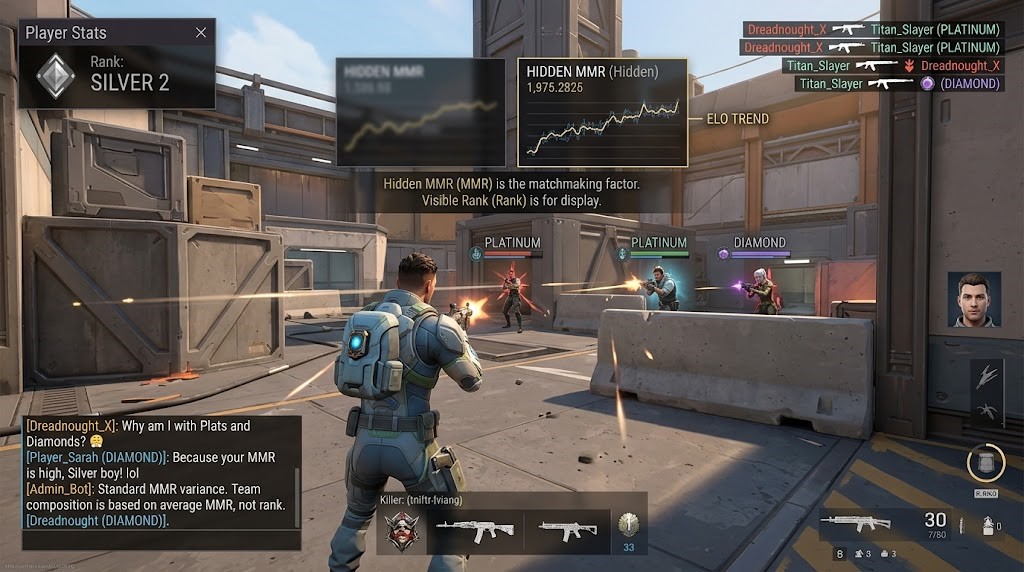
Scene: Valorant ranked, after losing pistol round
Player1: “ff go next” Player2: “it was ONE round” Player1: “and we lost it because you whiffed a full clip” Player3: “can we not tilt after pistol please” Player1: “I’m not tilting I’m being realistic”
Scene: Post-game Discord, debriefing
Alex: “Why did we ff that? We were only down 4 rounds” Jordan: “Because the team mental was already gone. FF isn’t about the score, it’s about the team’s ability to recover” Alex: “That’s actually deep” Jordan: “I’ve typed ff enough times to develop philosophy about it”
Scene: All-chat, opponent asks about FF
Enemy: “why ff? we weren’t that far ahead” Player: “my team wanted to ff after first blood, I held them off for 20 minutes” Enemy: “respect” Player: “don’t respect us, we still ff’d”
Scene: Twitch chat, streamer refuses to FF
Chat: “FF” Chat: “just ff” Chat: “ff and go next” Streamer: “Chat I don’t FF. I either win or I learn. There is no surrender in my dictionary” Chat: “sigma mindset” Chat: “or you just waste 20 minutes”
Socio-Cultural Gain
FF represents one of the deepest philosophical divides in competitive gaming culture: the optimists versus the realists. The “never FF” crowd believes that any match can be turned around, that surrendering develops a quitting mentality, and that comebacks are the most satisfying experiences in gaming. The “FF when it’s over” crowd believes that staying in unwinnable matches wastes time, destroys mental health, and that accepting defeat quickly is a sign of emotional maturity.
This debate is particularly intense because both sides have valid arguments. Statistical analysis of League of Legends matches shows that teams down by more than 10 kills at 15 minutes win less than 5% of the time — making FF a mathematically rational choice in most cases. But those 5% comeback wins are often the most memorable matches in a player’s career, creating an emotional attachment to the “never give up” mindset.
The term also highlights how gaming culture values time efficiency. Unlike traditional sports where you play the full match regardless of score, online gaming allows early exits — and the community has developed strong norms around when that exit is socially acceptable. Calling FF too early is seen as weak-minded; refusing to FF when the match is clearly over is seen as stubborn and disrespectful to teammates’ time.
FAQ
Q1: What’s the difference between FF and GG?
GG means “good game” and is typed at the end of a match as sportsmanship. FF means “forfeit” and is typed during a match to call for surrender. They’re opposite in spirit — GG acknowledges a completed match, while FF tries to end one early. Ironically, some players type “gg ff” combining both concepts.
Q2: When should you actually FF?
This depends entirely on the game and your team’s mental state. In League of Legends, most players consider FF acceptable when your team is down by 10+ kills, has lost multiple objectives, and teammates are visibly tilted. In Valorant, FF is less common because rounds are shorter and comebacks are more frequent. The golden rule: if more than half your team wants to FF, the match is probably over regardless of score — team cohesion matters more than gold difference.
Q3: Is it toxic to call FF early?
Most gaming communities consider early FF calls (before 10 minutes in MOBAs, before half the rounds in FPS) as mildly toxic. It signals that you’ve given up and can drag down team morale. However, refusing to FF in clearly unwinnable matches is also considered toxic by many — it forces teammates to waste time in a match nobody is enjoying. The least toxic approach: suggest FF calmly when the match is genuinely unwinnable, and accept the team’s decision if they vote no.
Q4: How do you explain FF to a non-gamer?
“It’s like calling for a mercy rule in sports, but your teammates have to vote on it. In competitive online games, you can surrender early if enough people agree the match is unwinnable. It’s controversial because some players believe you should never give up, while others think staying in a lost match is a waste of time.”
Q5: Why do some games not have FF/surrender options?
Games like Dota 2 historically had no formal surrender mechanic because the developers believed comebacks were always possible — and the data supported this. Dota 2 matches have more comeback mechanics (buybacks, high ground advantages) than League, making FF less necessary. Some battle royales also lack FF because the format naturally ends when you die. The presence or absence of FF in a game often reflects that game’s design philosophy about comeback potential.