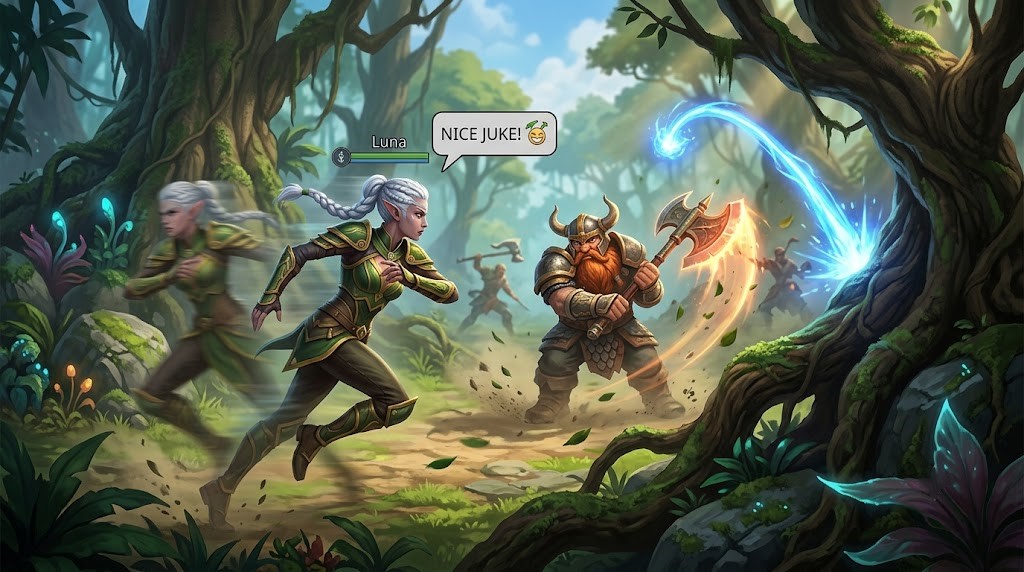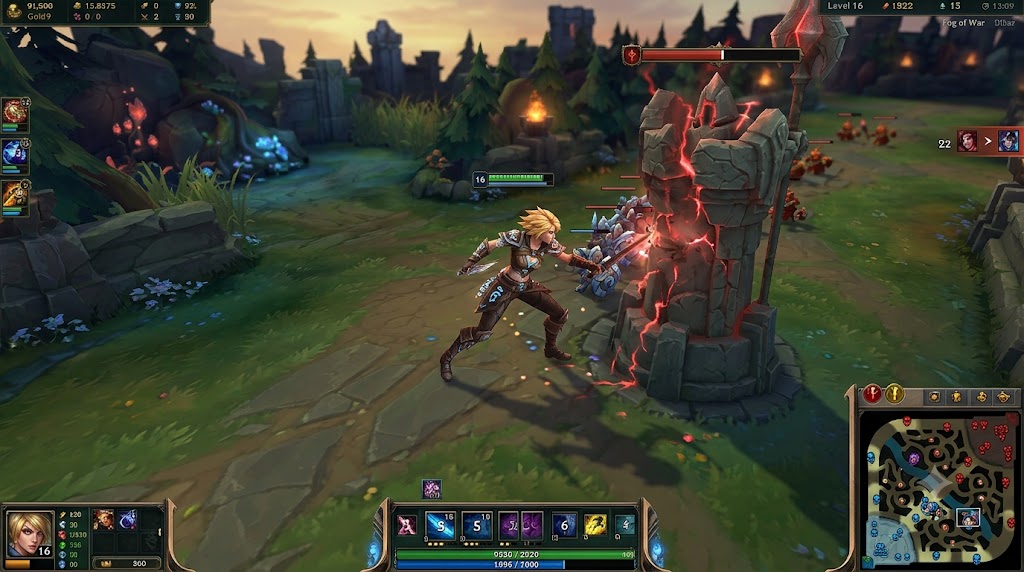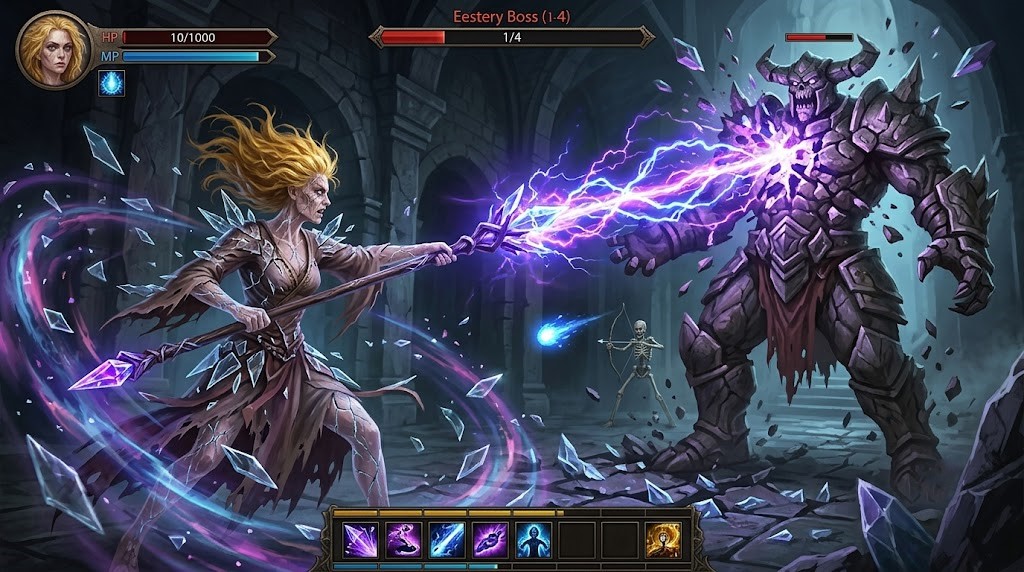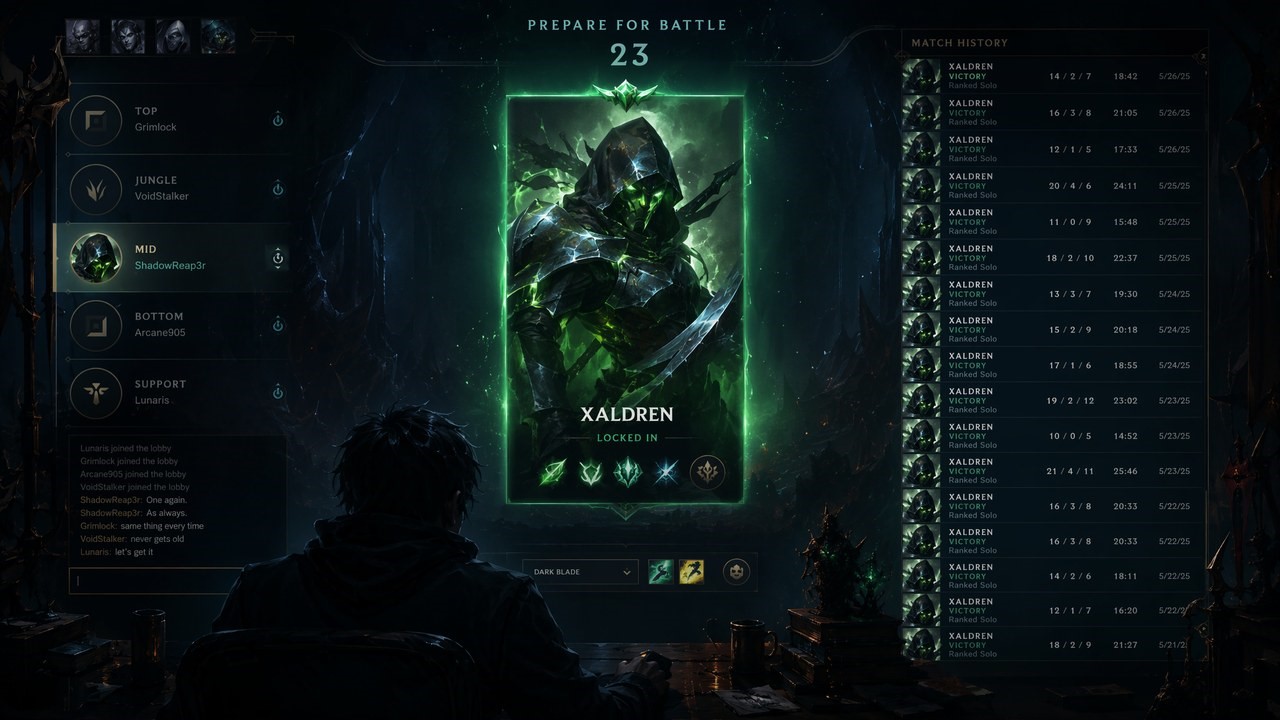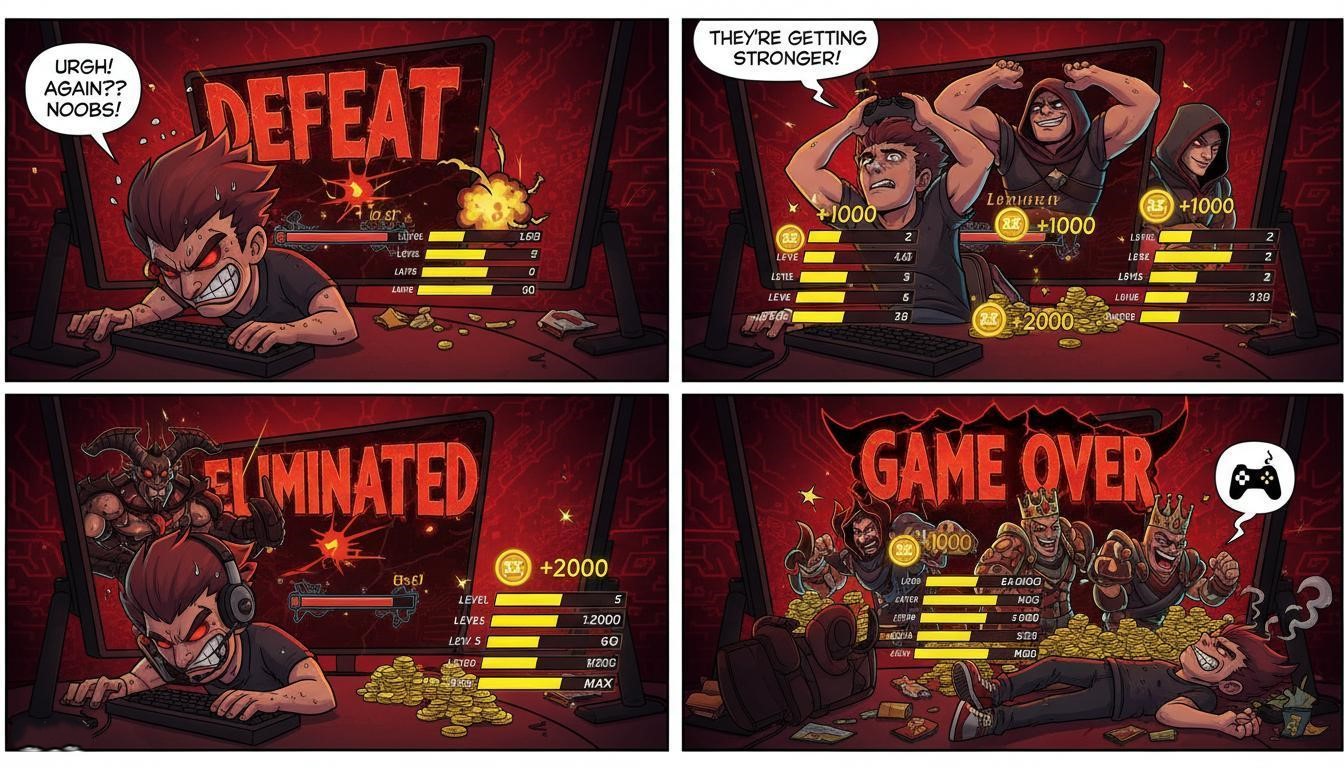
In gaming, feeding means repeatedly dying to the enemy team, giving them kills, gold, experience, or other advantages. The most frustrating thing a teammate can do.
Trajectory & Chronology
The term feed originated in MOBAs like DotA (2003) and League of Legends (2009), where killing enemy champions grants gold and experience. A player who dies repeatedly is literally “feeding” the enemy team resources. The term spread to FPS games by the early 2010s, where feeding gives the enemy team killstreaks and map control. By 2020, “feed” was universal in any competitive game where deaths provide advantages to opponents. The concept is so fundamental that most games have anti-feeding measures like surrender options or comeback mechanics.
GEBILAOWANG: Everyone feeds sometimes. The difference is feeding for 30 seconds versus feeding for 30 minutes. Learn when to play safe.
High-Fidelity Contextual Dialogues
Scene: Frustrated teammate
Player A: “Stop feeding! You’re 0-8!” Player B: “I’m trying!” Player A: “Trying to die? Play under your tower!”
Scene: Constructive feedback
Player A: “You’re feeding their carry. Play safe until I gank” Player B: “But I need farm” Player A: “Dying gives them more gold than farm gives you. Just survive.”
Scene: Self-awareness
Player A: “Sorry team, I’m feeding hard today” Player B: “It happens. Just play for the team now, not for kills” Player A: “Will do. I’m staying behind you guys.”
Socio-Cultural Gain
Feeding sits at the heart of competitive gaming’s most toxic interactions. The frustration of watching a teammate repeatedly die — often while making the same mistake — triggers some of gaming’s most intense emotional responses. This has led to “feeding” being used as both a genuine tactical observation and a toxic insult. The distinction matters: noting that someone is feeding (“You’re 0-5, play safe”) is helpful; accusing someone of intentionally feeding (“You’re feeding on purpose”) is reportable harassment. Games have tried various solutions: anti-snowball mechanics, surrender votes, and behavior systems. But ultimately, feeding is a skill issue that only practice and game knowledge can solve.
Inting — Intentionally feeding, a bannable offense. Snowball — When an early lead (often from feeding) grows exponentially. Comeback mechanics — Game design features that help teams recover from early feeding.
FAQ
Q1: How do I stop feeding?
A: Play conservatively. If you’re behind, focus on farming safely rather than fighting. Ward defensively. Ask for jungle help. Most importantly, recognize when you’re outmatched and adjust.
Q2: Is feeding always the player’s fault?
A: Not always. Sometimes it’s a bad matchup, lack of jungle support, or being camped. But repeatedly dying to the same thing is usually on the player.
Q3: What’s the difference between feeding and inting?
A: Feeding is accidentally dying repeatedly. Inting (intentional feeding) is deliberately dying to help the enemy team. One is a skill issue, the other is reportable.