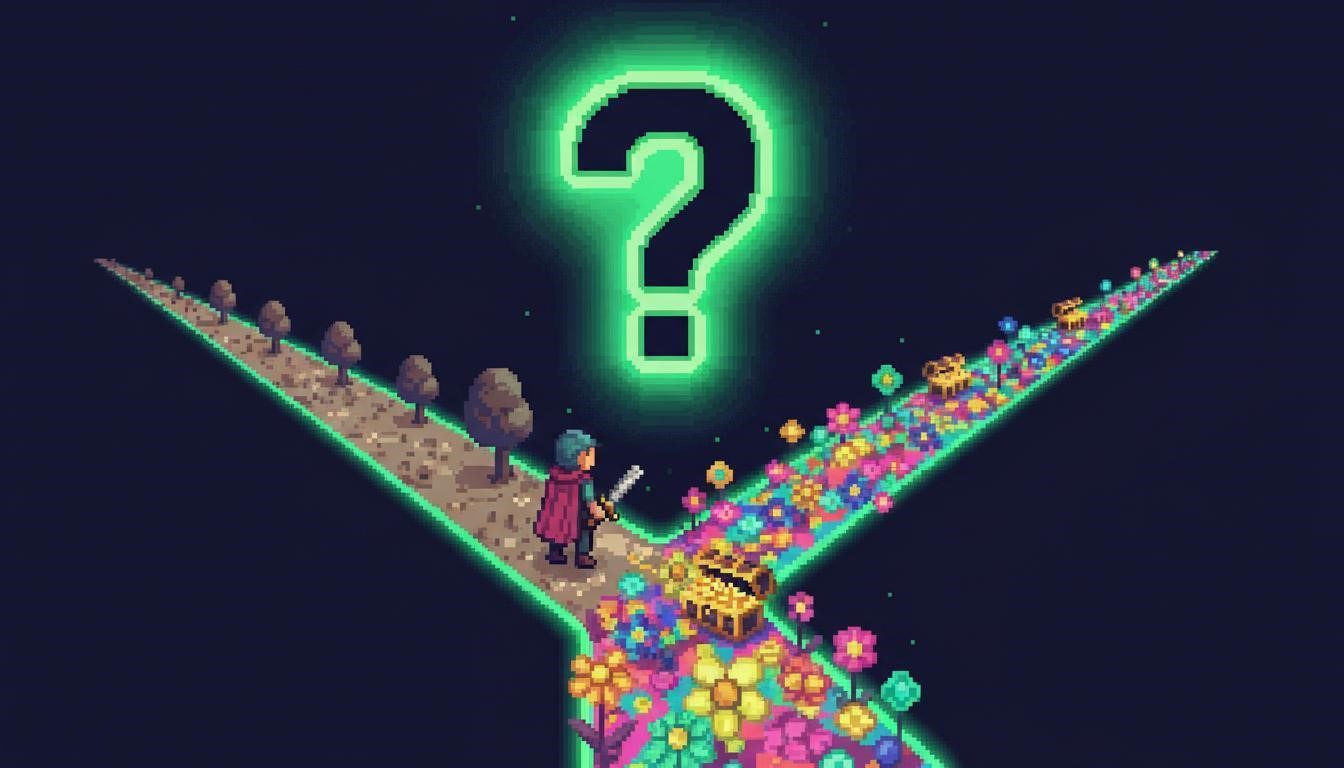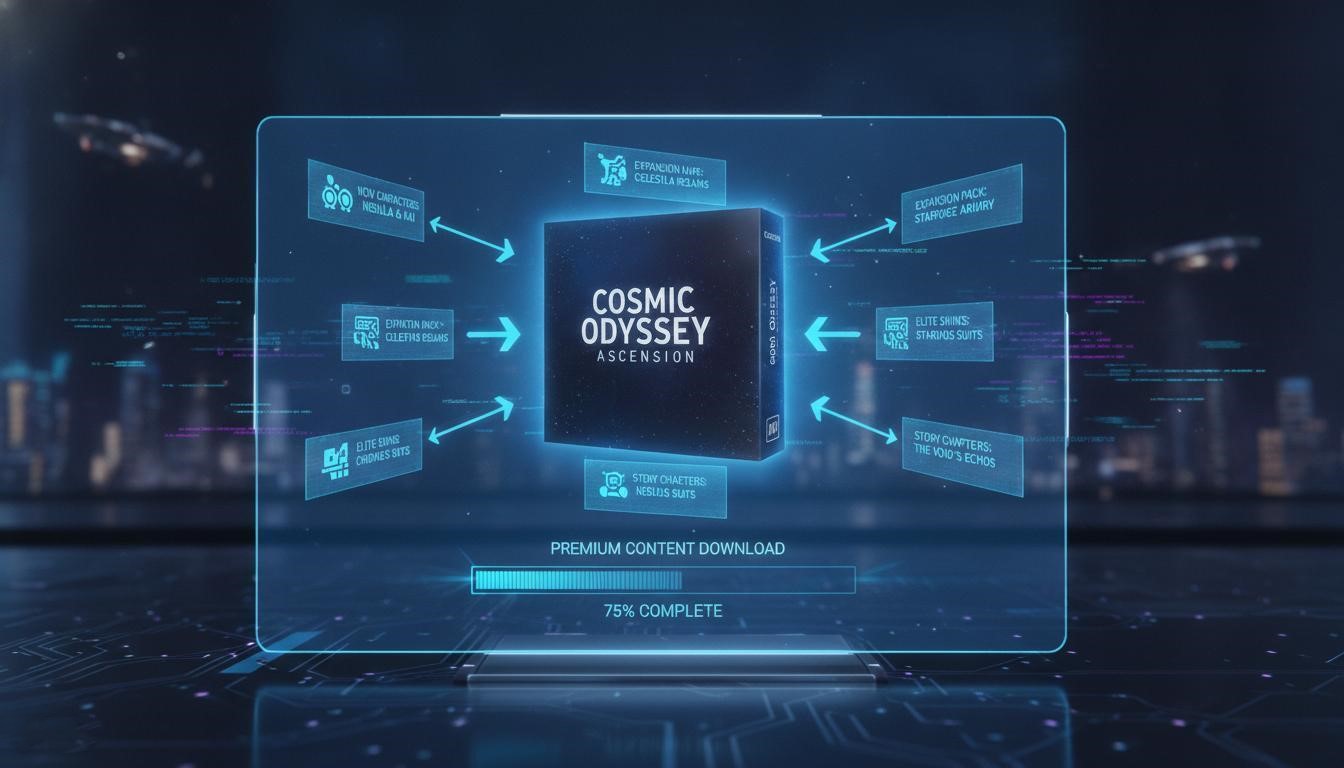
In gaming, DLC stands for Downloadable Content — additional game content sold separately from the base game. Expansions, maps, characters, and more.
Trajectory & Chronology
The concept of DLC emerged in the mid-2000s when consoles gained internet connectivity. The Xbox 360 and PlayStation 3 made downloadable content viable, and games like Oblivion (2006) pioneered paid DLC with the infamous “Horse Armor” — cosmetic DLC that cost $2.50 and sparked debates about DLC value. Over time, DLC evolved from minor cosmetic items to major expansions that could double a game’s content. By the 2010s, “Season Passes” — bundles of upcoming DLC — became standard. In 2026, DLC ranges from free quality-of-life updates to $30+ expansion packs.
GEBILAOWANG: DLC is gaming’s most controversial business model. Done right, it’s more content for a game you love. Done wrong, it’s content that should have been in the base game, sold back to you.
High-Fidelity Contextual Dialogues
Scene: Discussing a new release
Player A: “The base game is $60 but there’s already $40 of DLC” Player B: “That’s the new standard, unfortunately” Player A: “Remember when games were complete at launch?” Player B: “Vaguely. Feels like a different lifetime.”
Scene: Buying DLC
Player A: “Is the season pass worth it?” Player B: “If you like the game, yes. The expansions add 20+ hours” Player A: “What about the cosmetic DLC?” Player B: “Only if you really want that skin. It’s purely visual.”
Scene: Complaining
Player A: “They cut content to sell as DLC” Player B: “Evidence?” Player A: “The data miners found it in the base game files” Player B: “That’s… actually illegal in some countries.”
Socio-Cultural Gain
DLC represents the ongoing tension between game developers needing sustainable revenue and players expecting complete products at launch. “Day-one DLC” — content available on launch day but sold separately — is particularly controversial, seen as content cut from the base game to maximize profit. However, DLC has also enabled games to evolve and improve over years rather than being static products. Games like The Witcher 3 and Elden Ring have used DLC to deliver experiences that match or exceed the base game, earning player goodwill. The key distinction is whether DLC feels like a gift or a hostage situation.
Expansion — Large DLC that significantly extends the game. Season Pass — Pre-paid bundle of upcoming DLC. Microtransaction — Small, often cosmetic, purchases.
FAQ
Q1: Is all DLC paid?
A: No. Many games offer free DLC with updates, bug fixes, and new content. Paid DLC is usually for major expansions or cosmetic items.
Q2: Should I buy the season pass?
A: Wait for reviews of the first DLC. If it’s good quality, the season pass usually offers savings over buying individually.
Q3: What’s the worst DLC ever?
A: Oblivion’s “Horse Armor” ($2.50 for cosmetic horse armor) is the infamous example that started the DLC controversy. It became a meme and a cautionary tale.