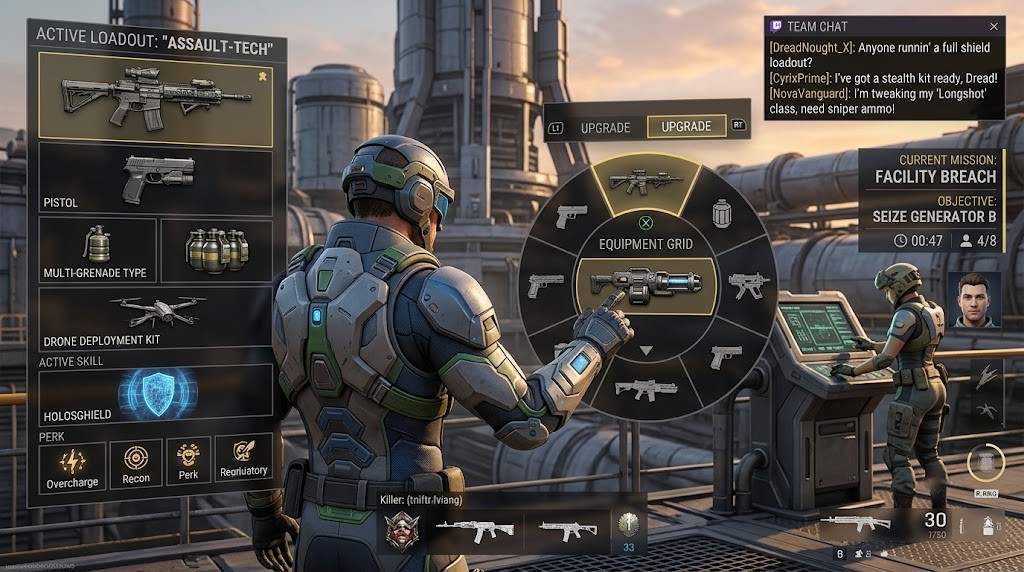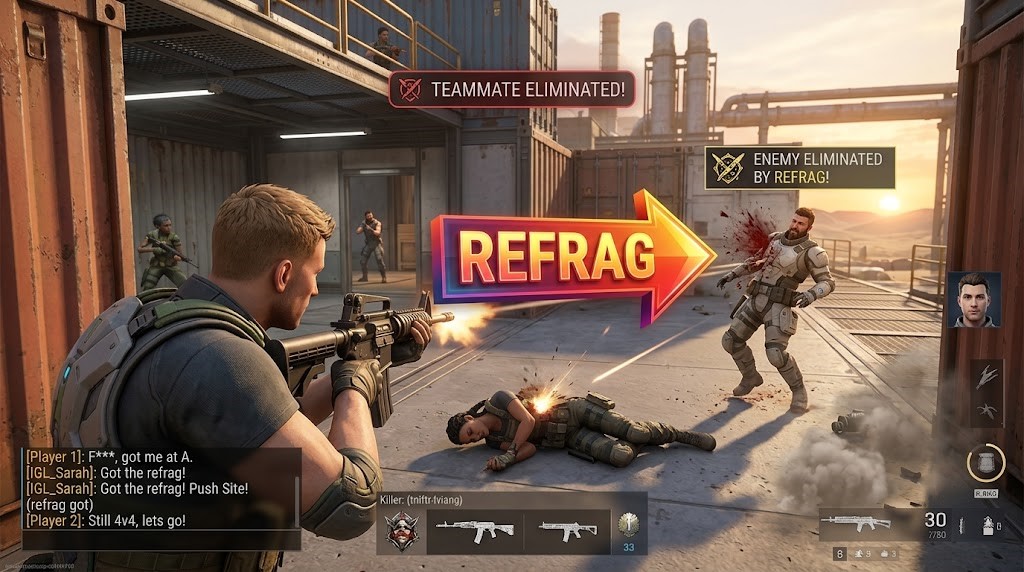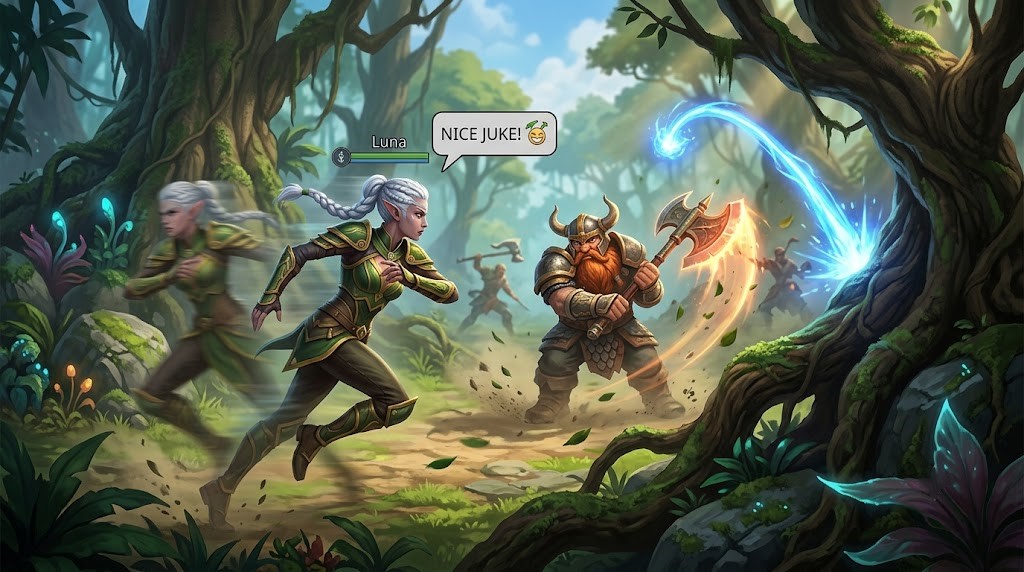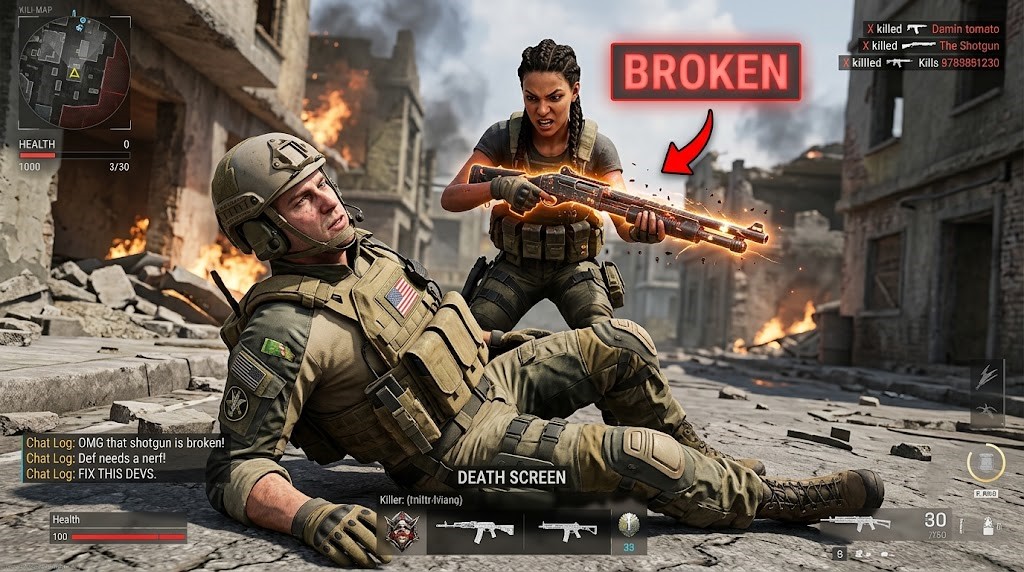
In gaming, diff is short for “difference” — the gap in skill between two players or teams that decided the game. The polite way of saying “you lost us the game.”
Trajectory & Chronology
The term diff emerged from the Overwatch community around 2017, where players would say “tank diff” or “healer diff” to indicate that the difference in skill at a specific role decided the match. It quickly spread to League of Legends and other team-based competitive games. By 2019, “diff” was standard vocabulary in any game with defined roles. The term’s efficiency — one syllable that assigns blame — made it irresistible to competitive gamers. In 2026, “diff” is used across all team-based competitive games.
GEBILAOWANG: Calling “diff” is the fastest way to lose friends and gain enemies. Use it sparingly, if at all.
High-Fidelity Contextual Dialogues
Scene: Post-match lobby
Player A: “GG, their DPS was cracked” Player B: “Nah, it was tank diff. Our tank fed all game” Tank: “I was trying to make space for you to do nothing”
Scene: Analyzing a loss
Player A: “Why did we lose?” Player B: “Jungle diff. Their jungler ganked 10 times, ours ganked twice” Jungler: “I was farming” Player B: “And that’s the jungle diff right there”
Scene: Self-aware moment
Player A: “Sorry team, it was ADC diff” Player B: “At least you admit it” Player A: “I’ll practice more before ranked next time” Player B: “That’s all we ask”
Socio-Cultural Gain
Diff represents gaming’s tendency to externalize blame. Rather than acknowledging team failures, players single out specific roles or individuals. While sometimes accurate, “diff” is more often used as a weapon than an analysis tool. The term has created a toxic culture where players fear being the “diff” — leading to defensive play and reduced willingness to take risks. Some communities have actively pushed back against the term, recognizing that team games are won and lost collectively. The healthiest teams avoid “diff” entirely, focusing on what they can improve rather than assigning blame.
Gap — Similar, less accusatory. Outplayed — More neutral, acknowledges opponent skill. Team gap — Blames the entire team rather than one role.
FAQ
Q1: Is saying ‘diff’ toxic?
A: It can be. In casual conversation among friends, it’s banter. In ranked with strangers, it’s often perceived as blaming and can tilt teammates.
Q2: Can ‘diff’ be positive?
A: Yes — “support diff” can mean your support was significantly better than theirs. Context matters.
Q3: What’s the alternative to ‘diff’?
A: Focus on what your team could have done better. Instead of “jungle diff,” say “we needed more vision control” or “we should have rotated faster.”