AD
Debuff

Debuff

slang
Updated Jul 6, 2026 5 min read
general rpg moba mmo mechanics
AD

What Does "Debuff" Mean?

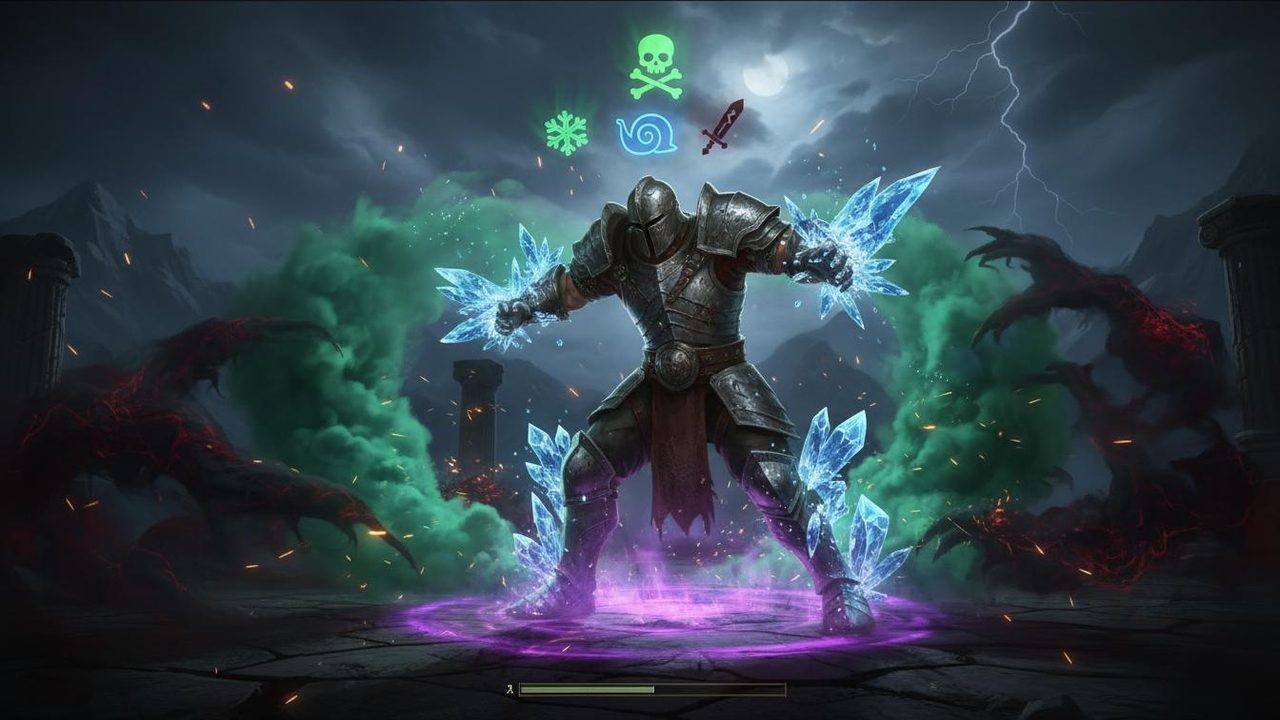
In gaming, a ‘debuff’ is a negative status effect that temporarily reduces a character’s abilities, stats, or performance. Common in RPGs, MOBAs, and MMOs, debuffs include poison, slow, stun, and weaken effects. The opposite of a buff.


Trajectory & Chronology

Debuff entered gaming vocabulary through early MMORPGs in the late 1990s, particularly EverQuest and Ultima Online, where developers needed terms to describe negative status effects applied to characters. The word is a natural antonym to ‘buff’ (which originally described leather polishing in the offline world before being adopted by gamers). ‘Debuff’ combined the prefix ‘de-’ (removal/reduction) with ‘buff’ to create the perfect opposite. By the early 2000s, ‘debuff’ was standard terminology in RPG and MMO communities, with specific debuff types gaining their own names — ‘dot’ (damage over time), ‘snare’ (movement slow), ‘silence’ (ability block). The rise of MOBAs like League of Legends (2009) and Dota 2 (2013) made debuff management a core competitive skill, as pros learned to track and cleanse debuffs at critical moments. In 2026, ‘debuff’ is universal across all gaming genres, and the term has even entered corporate slang (‘meeting debuff’ = reduced productivity).

GEBILAOWANG: Nothing feels worse than getting hit with a debuff right before a boss mechanic — game over, run it back.

Socio-Cultural Gain

Debuff represents gaming’s systematic approach to negative effects — turning disadvantages into quantifiable, manageable mechanics. Unlike random bad luck, debuffs are deliberate design elements that create strategic depth. The cultural impact is most visible in team-based games, where ‘cleansing’ debuffs (removing them from teammates) is a sign of skilled play. Support players in MOBAs are judged heavily on their debuff management — did they cleanse the stun? Did they heal through the poison? The term has also created a metaphorical usage in everyday gamer conversation. Getting a ‘real-life debuff’ means anything from being tired (focus debuff) to being sick (health debuff) to having bad internet (lag debuff). This framing turns life’s problems into game mechanics, making them feel more manageable. After all, every debuff has a duration — even the worst ones eventually wear off.

High-Fidelity Contextual Dialogues

Scene: Reddit, game mechanics discussion

User1: “Why do debuffs last so long in this game?” User2: “It’s a design choice — they want you to prioritize cleanse abilities” User1: “But my class doesn’t have a cleanse” User2: “Then you rely on your support. That’s the team dynamic.” User3: “Or you git gud and don’t get hit in the first place”


Scene: League of Legends, team fight voice comms

Player A: “I’m stunned, can’t move!” Player B: “I got the cleanse on you, keep fighting” Player A: “Now I’m poisoned and slowed, double debuff” Player C: “Back off, let me tank, your HP is ticking” Player A: “Debuffs are the worst mechanic in this game”


Scene: World of Warcraft raid, boss attempt

Raid Leader: “Everyone stack for debuff cleanse in 5 seconds” Player: “I have the magic debuff, do I stack?” Raid Leader: “No, magic stays out. Only curse stacks.” Player: “Got it, standing clear” Raid Leader: “Cleanse going out now… good, everyone alive?”

FAQ

Q4: How do I explain ‘debuff’ to a non-gamer in one sentence?

“It’s a temporary negative effect in a video game that makes your character weaker — like being poisoned, slowed down, or having your attack power reduced until the effect wears off.”

Q1: What’s the difference between a debuff and a debilitation?

‘Debuff’ is the general term for any negative status effect. ‘Debilitation’ or ‘impairment’ are specific types of debuffs that reduce stats. In practice, most gamers just say ‘debuff’ for everything negative. The distinction only matters in games with complex status systems.

Q2: How do I remove debuffs?

Most games provide ‘cleanse’ abilities, healing potions, or specific spells that remove debuffs. In team games, support characters usually handle cleansing. Some debuffs expire naturally after a set duration. Prevention (dodging the attack that applies the debuff) is always better than cure.

Q3: Which games have the most complex debuff systems?

MMORPGs like Final Fantasy XIV and World of Warcraft have elaborate debuff systems with dozens of unique effects. Path of Exile takes this to an extreme with hundreds of debuff interactions. MOBAs like Dota 2 have simpler but more strategically significant debuffs since a single stun can decide a team fight.

Sources

  • Slangwise.com — 250 Most Popular Internet Slang Words of 2026 [https://slangwise.com/list-of-250-most-popular-internet-slang-words/]
  • Old Cynic — List Of Gaming Terms, Phrases, Slang, & Jargon [https://oldcynic.com/gaming-terms-slang-jargon-phrases-list-glossary]
AD

AUTHOR: GEBILAOWANG

Independent digital content creator, researcher, and online lexicographer building authoritative niche websites and in-depth content across gaming culture, social media trends, technology, and internet linguistics. Known for comprehensive slang dictionaries, digital trend analysis, and cultural documentation. Active in the field since 2024. For corrections, collaborations, or media inquiries: [email protected]

Learn more about GEBILAOWANG: https://about.me/GEBILAOWANG

AD
AD