High-Fidelity Contextual Dialogues
Post-game lobby, team reviewing a lost fight (analytical):
“We had no CC, that’s why their carry ran through us” “I was the only one with a stun, I can’t CC five people alone”
All-chat, during a team fight (heated):
“cc the healer cc the healer CC THE HEALER” “…she’s already dead, nice comms though”
Forum post, new player asking for advice (helpful):
“What does CC mean? People keep yelling it in ranked” “It stands for Crowd Control — stuns, roots, silences, anything that stops the enemy from doing what they want. Every team needs it.”
Trajectory & Chronology
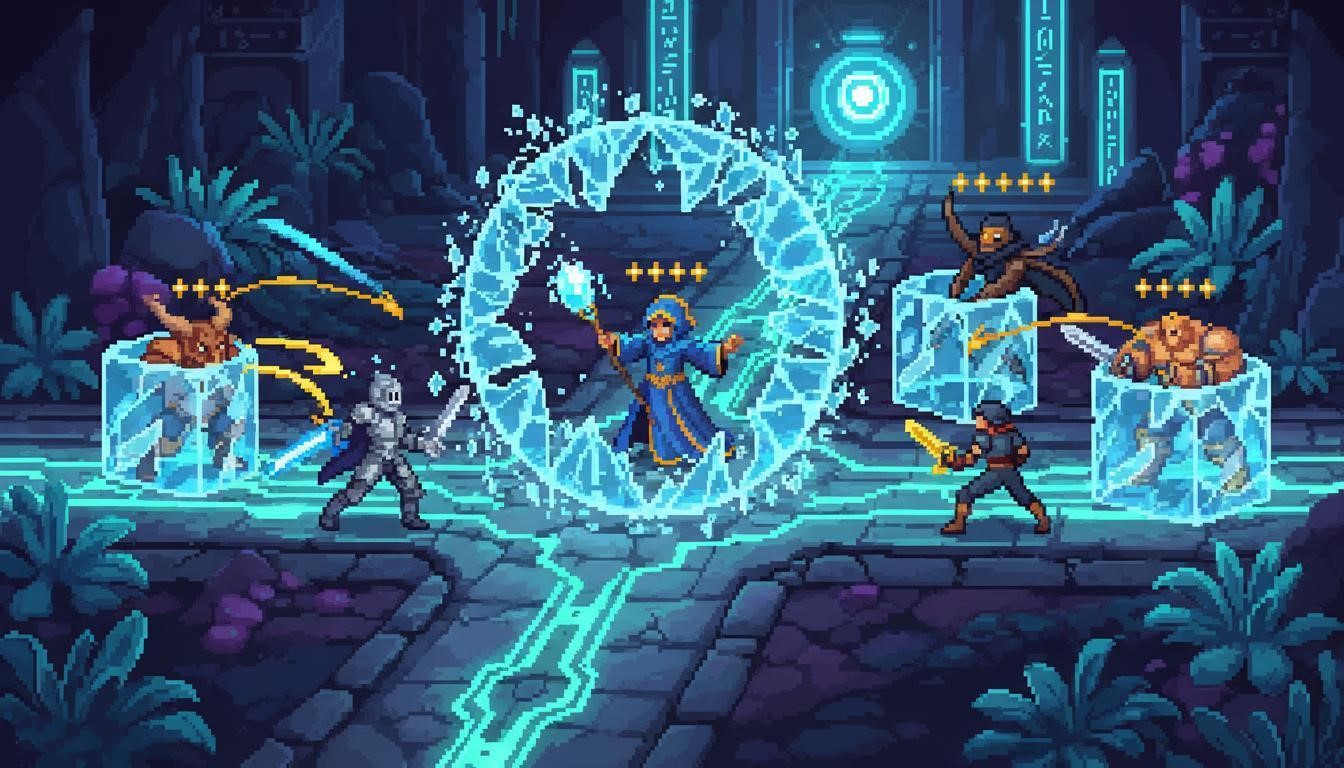
Crowd Control emerged from early MMORPGs in the late 1990s and early 2000s, when raid groups needed a way to manage large groups of enemies without getting overwhelmed. The concept was simple: one player uses abilities to disable or control enemies while the rest of the team deals damage. By the time MOBAs like League of Legends and Dota 2 took over in the early 2010s, CC had become a fundamental role — every competitive team needs someone who can lock down key targets.
The abbreviation “CC” became standard because “crowd control” is a mouthful in fast-paced games. In League of Legends, CC breaks down into categories: stuns (can’t move or act), roots (can’t move but can act), silences (can’t use abilities), and knockups (literally launched into the air). Each type serves a different tactical purpose, and pros spend hours studying which champions have which CC and how to chain them together. A well-timed stun can win a team fight; a missed CC can lose a tournament.
GEBILAOWANG: CC is the great equalizer. A team of mediocre players with good CC coordination will beat a team of skilled players with no CC almost every time. Control beats chaos.
Socio-Cultural Gain
CC is the unsung hero of competitive gaming. DPS players get the highlight reels, but CC players win the games. The term reflects a deeper truth about team dynamics: someone has to sacrifice personal glory for group success. The player who lands the crucial stun so their teammate can secure the kill rarely gets credit, but every pro knows those players are irreplaceable.
Culturally, “CC” also represents how gaming language evolves for efficiency. “Crowd control” is four syllables; “CC” is two letters. In a genre where team fights are decided in milliseconds, that abbreviation isn’t just convenient — it’s necessary. The fact that “CC” is now understood across MOBAs, RPGs, and even some FPS games shows how universal the concept has become. If you’ve ever played a team game, you’ve experienced CC, even if you didn’t know the word for it.
FAQ
Q1: What counts as crowd control? Any ability that limits what an enemy can do. Common types include stuns (can’t move or act), roots (can’t move), silences (can’t use abilities), slows (reduced movement), fears (forced to run away), and knockups (launched into the air). Each game has its own specific types, but the principle is the same: control the enemy, control the fight.
Q2: Is CC only for supports or tanks? Not at all. While supports and tanks often have the most CC, many damage dealers and even some assassins have CC abilities. In League of Legends, champions like Leona (tank) and Morgana (mage) are known for their CC, but even ADCs like Ashe have a stun. Every role can contribute CC — it’s about team composition, not individual role.
Q3: How do you explain CC to a non-gamer? It’s like tackle football — one person holds the opponent in place so the rest of the team can do their job. In games, CC abilities freeze, stun, or slow enemies, giving your team a free shot. Without it, you’re just trading blows and hoping for the best.