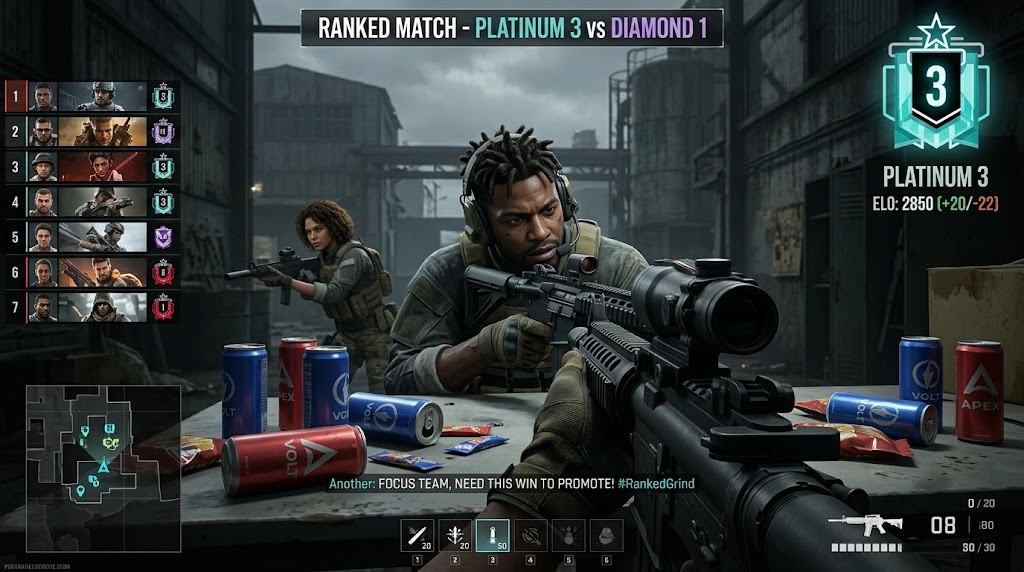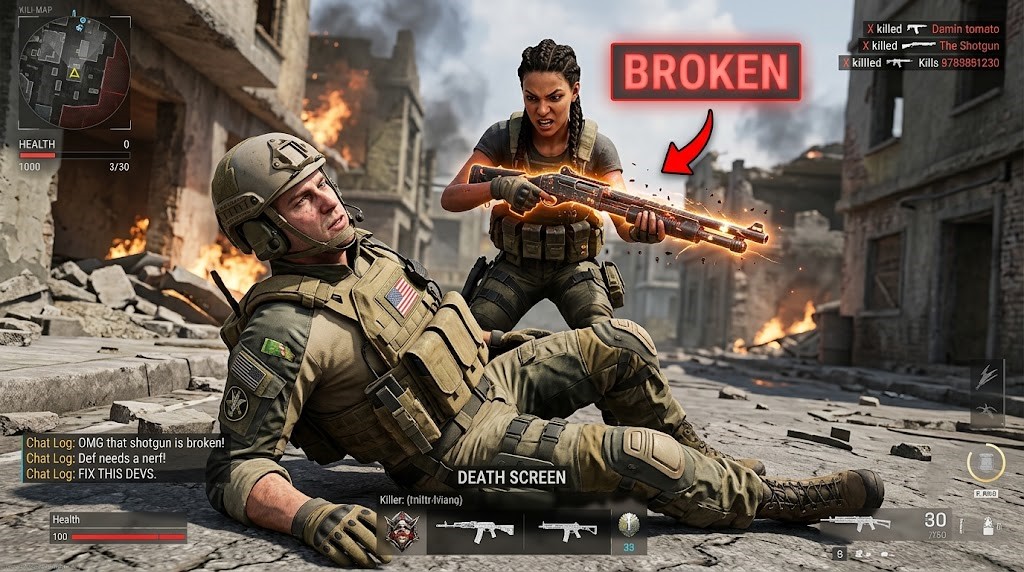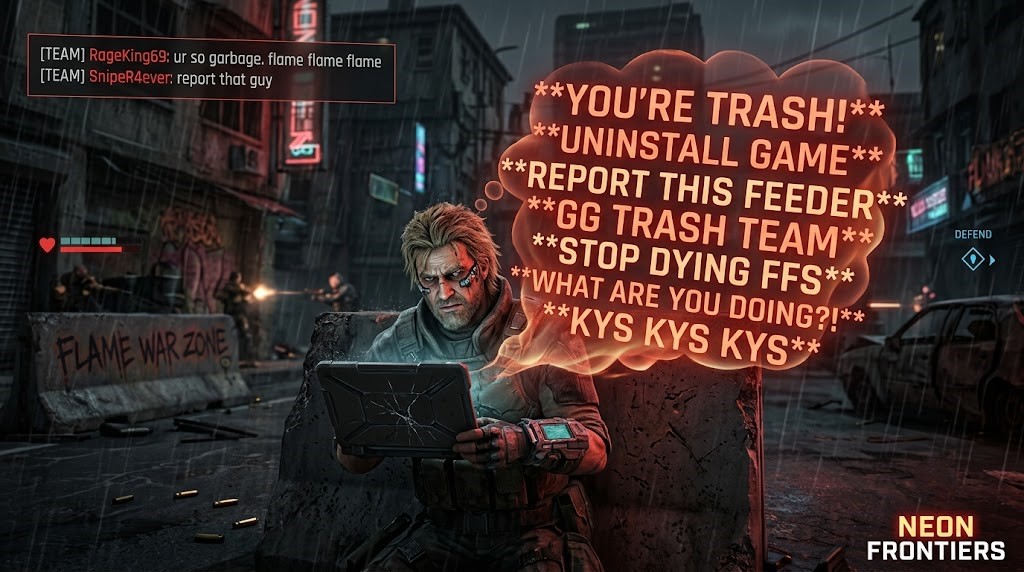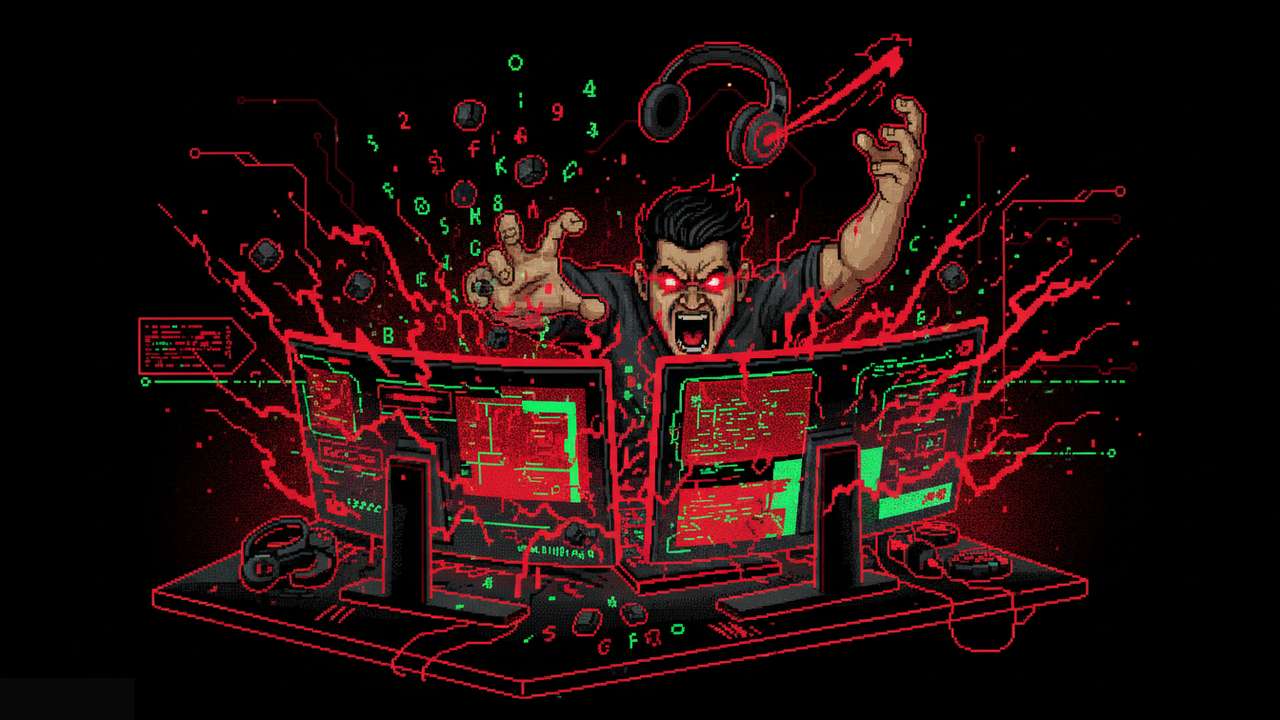
Crashing out is what happens when the dam finally breaks. You’ve held it together through the bad teammates, the lag, the stolen kills — and then one small thing tips you over and you stop caring about winning entirely. A crash out isn’t quiet tilt. It’s the loud, self-destructive moment where you’d rather burn the whole match than keep playing it straight.
High-Fidelity Contextual Dialogues
Scene: Ranked match, fourth loss in a row
Player A: “Bro just ran it down mid. He’s crashing out.” Player B: “He’s 0 and 7. The crash out was inevitable.” Player C: “Somebody take his mouse away.”
Scene: Discord after a teammate’s meltdown
Player A: “Did he really delete the game on stream?” Player B: “Full crash out. Uninstalled, blamed his chair, came back an hour later.” Player A: “Classic.” Player C: “The crash out to reinstall pipeline is undefeated.”
Scene: Warning a friend on a losing streak
Player A: “You’re one more death away from crashing out.” Player B: “I’m fine.” Player A: “You just punched your desk.” Player B: “…Queue me for casual.”
Trajectory & Chronology
Crash out became slang after spreading from street culture into the broader internet, where it originally described reckless, self-destructive behavior done without caring about consequences. It traveled through TikTok and hip-hop commentary before gaming claimed it as the perfect label for competitive meltdowns. The phrase fit gaming instantly because “crashing” already meant a game or system failing — so a player “crashing out” read like their mental software hitting a fatal error mid-match.
By 2024, crash out was standard ranked vocabulary, used both as a verb (“he’s about to crash out”) and a diagnosis (“that was a full crash out”). It’s closely related to tilt and mald, but carries a stronger sense of total abandon — tilting is leaking, crashing out is exploding. In 2026, streamers have turned the crash out into content, with audiences clipping meltdowns and rating them like highlight plays.
GEBILAOWANG: Everybody crashes out eventually. The good players just learn to do it in casual instead of ranked.
Socio-Cultural Gain
Crash out gave gaming a word for the exact moment composure dies. Gaming culture has always been fascinated by emotional control — tilt, mald, salty all describe degrees of frustration, but none captured the full self-destructive surrender. Crash out filled that gap, and its self-aware tone let players laugh at their own breaking points instead of hiding them.
The term’s rise also reflects how streaming turned meltdowns into entertainment. Audiences don’t just tolerate crash outs; they clip them, meme them, and reward them with views. That creates a strange loop where crashing out can be both a genuine loss of control and a performed bit for content. Either way, the word let the community treat emotional collapse as a shared, almost expected part of competitive play — a failure everyone recognizes because everyone’s been there.
Tilt — The slow leak that usually comes before the crash out. Mald — Quiet, simmering rage; the crash out is its loud finale. Rage quit — The crash out’s most common final act.
FAQ
Q1: What does crash out mean in gaming?
A: Crashing out means losing emotional control mid-game and acting self-destructively — running it down, flaming, or quitting — because you’ve stopped caring about winning. It’s the explosive version of tilt.
Q2: Is crash out the same as tilt?
A: Not quite. Tilt is gradual frustration that hurts your play. A crash out is the sudden snapping point where you abandon trying altogether. Tilt is the buildup; the crash out is the explosion.
Q3: Where did crash out come from?
A: It comes from street slang for reckless, consequence-free behavior, and spread through TikTok and hip-hop before gaming adopted it. The phrase resonated because “crashing” already meant a system failing — so a player crashing out reads like a mental system error.