Trajectory & Chronology
“Cheese” entered gaming slang from an unlikely source: photojournalism. In the 1980s, photographers would tell subjects to say “cheese” before taking a picture because the word forces a smile. By the early 1990s, “cheese” had become slang in some American communities for anything forced, fake, or overly simplistic. When someone smiled too broadly, it was a “cheese grin” — not genuine, just performed.
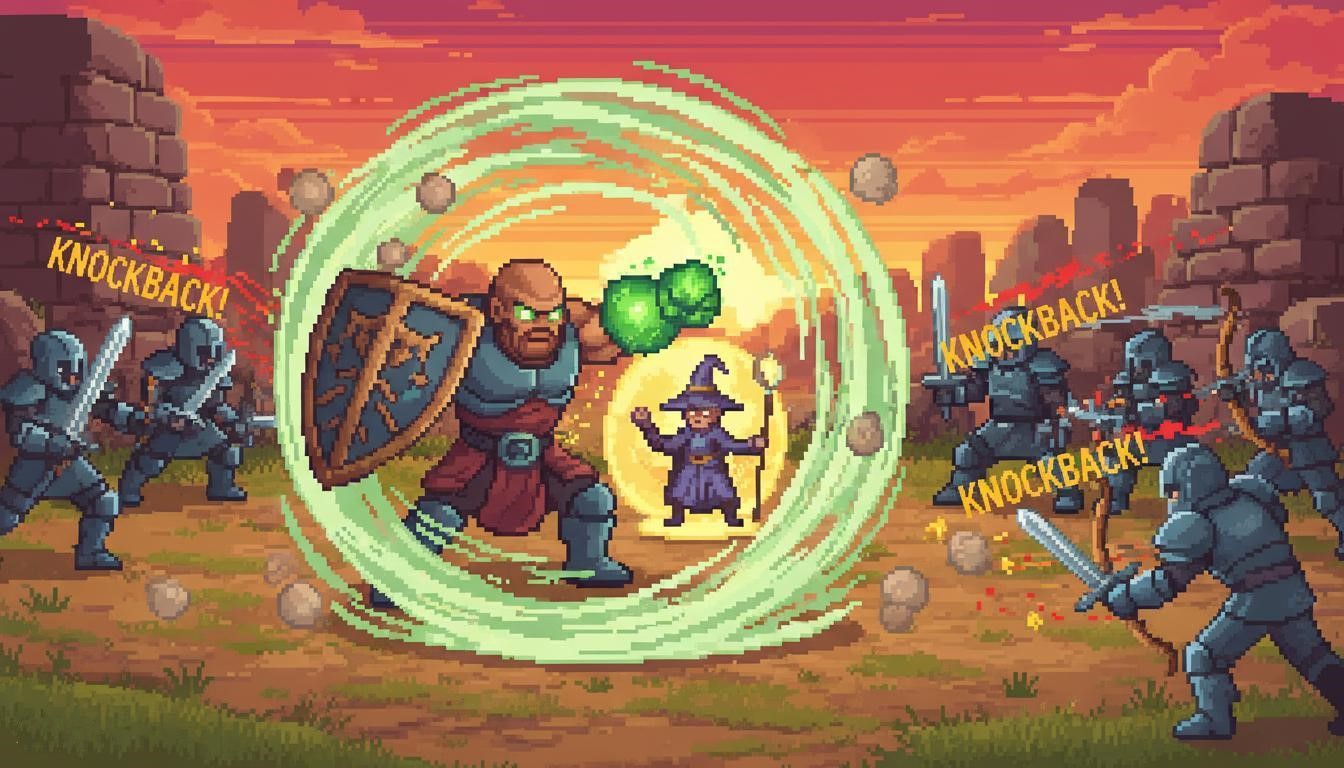
This “fake/simplistic” meaning carried over to gaming in the mid-1990s through fighting game communities. In Street Fighter II and Mortal Kombat, certain moves were considered “cheese” because they were easy to execute but difficult to counter — they felt like a cheap shortcut to victory rather than genuine skill. The E. Honda hundred-hand slap and Blanka’s ball attack were classic examples of “cheese moves.”
The term expanded significantly in the 2000s with RTS (Real-Time Strategy) games. In StarCraft and Age of Empires, “cheese strategies” described early-game rushes or unconventional builds that aimed to win before the opponent could react. A “cheese rush” in StarCraft might involve sending all starting workers to attack the enemy base — it usually failed, but when it worked, it was devastating and deeply frustrating for the victim.
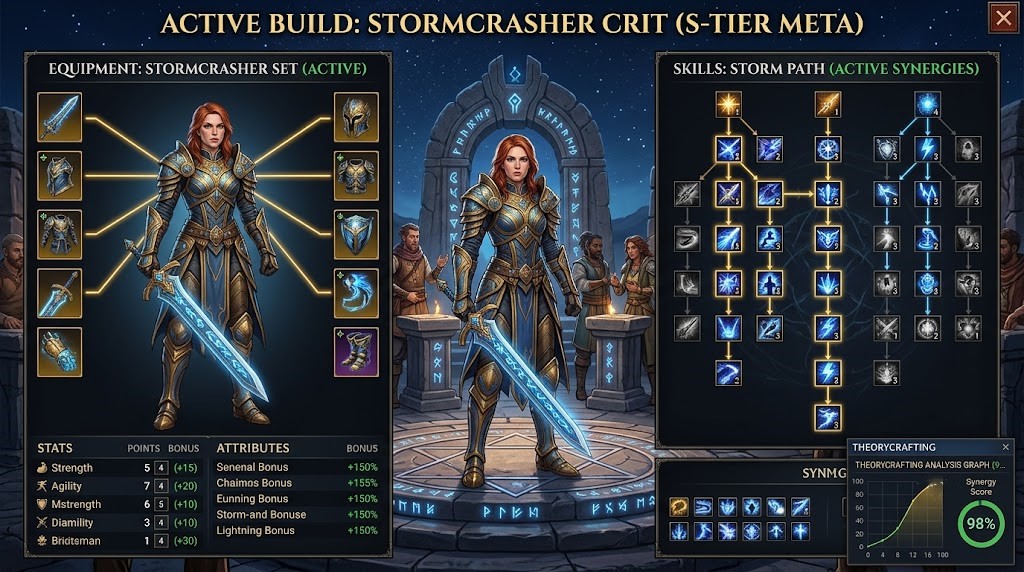
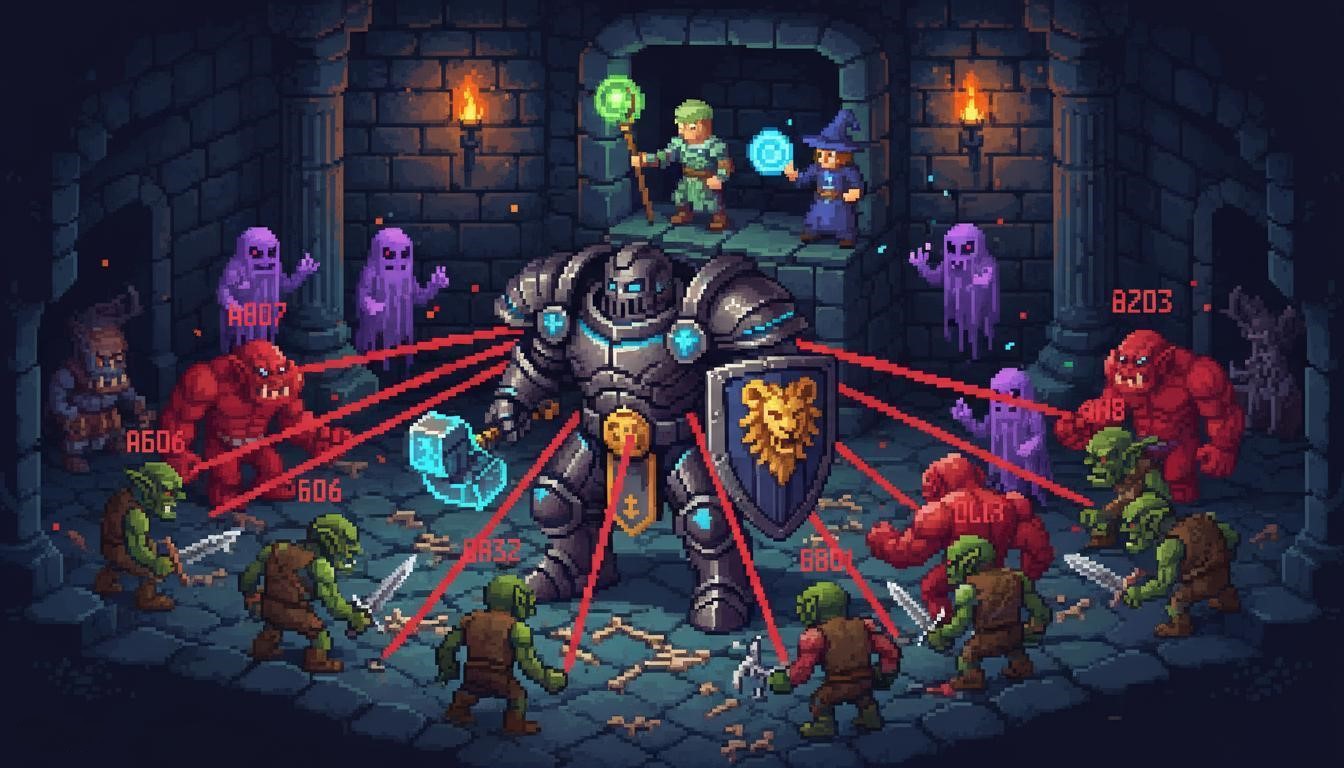
By the 2010s, “cheese” had become a standard competitive gaming term across all genres. In Dark Souls, “cheese” meant exploiting AI pathfinding to kill bosses from safe spots. In speedrunning, “cheese strats” were unconventional routes that skipped large portions of the game. In MOBAs, “cheese picks” were off-meta champion selections designed to surprise the enemy.
In 2026, cheese occupies a fascinating cultural position in gaming. It’s simultaneously respected and despised. Pulling off a cheese strategy requires creativity and game knowledge — you need to understand mechanics deeply enough to exploit them. But being on the receiving end of cheese feels awful because you lose to something you didn’t prepare for. The phrase “that’s cheesy” can be either a compliment or an insult depending on tone.
GEBILAOWANG: Cheese is the difference between playing the game and playing the system. Both are valid, but only one makes people mad.
Socio-Cultural Gain
Cheese represents gaming’s ongoing tension between innovation and tradition. The “correct” way to play a game is usually well-established — standard strategies, meta compositions, known counters. Cheese breaks all of that. It says “I don’t care how you’re supposed to play, I found another way.” This rebellious quality makes cheese strategies culturally significant even when they’re not competitively viable.
The term also highlights how gaming communities define “legitimate” skill. Is winning with an unconventional strategy less skillful than winning with a standard one? Most players would say no — a win is a win. But emotionally, losing to cheese feels worse than losing to superior execution because it challenges your assumptions about how the game works. This emotional response is why “cheese” carries such strong cultural weight.
High-Fidelity Contextual Dialogues
Scene: StarCraft 2, after losing to a rush
Player1: “You cheesed me” Player2: “You didn’t scout” Player1: “I shouldn’t have to scout for a 6-pool” Player2: “In this game, you absolutely have to”
Scene: Dark Souls, boss fight
Friend: “How did you beat that boss? It’s impossible” Player: “I cheesed it” Friend: “How?” Player: “There’s a spot where he can’t hit you but you can hit him” Friend: “Isn’t that cheating?” Player: “It’s in the game. If the developers didn’t want me to do it, they would have patched it”
Scene: Discord, discussing a tournament
Alex: “Did you see that cheese pick in the finals?” Jordan: “The Teemo jungle?” Alex: “Yeah, who plays Teemo jungle in a final?” Jordan: “Someone who knows the enemy team has never practiced against it” Alex: “And it worked” Jordan: “Because it was cheesy. That’s the point of cheese — nobody prepares for it”
FAQ
Q1: Is cheese the same as cheating?
Absolutely not. Cheese uses in-game mechanics as intended (or at least as implemented) — it just uses them in unexpected ways. Cheating involves external tools, hacks, or exploiting bugs. Cheese is creative; cheating is malicious. The developers could patch out cheese strategies if they wanted to, but many don’t because cheese adds variety and surprise to competitive play.
Q2: Why do people get so mad about cheese?
Because losing to cheese feels like losing to something “unfair” even though it’s perfectly legal. When you lose to a superior player, you can acknowledge their skill. When you lose to cheese, it feels like you lost to a trick — and nobody likes feeling tricked. The psychological hit to your ego is worse than the competitive loss. This is why “that’s cheesy” is often the first thing someone says after losing to an unconventional strategy.
Q3: How do you counter cheese?
The key to beating cheese is knowledge and preparation. Most cheese strategies only work once — after you’ve seen them, they’re easy to counter. In RTS games, scouting prevents most cheese rushes. In fighting games, learning the matchup against “cheese moves” makes them punishable. The phrase “cheese doesn’t work twice” exists because the first time you see it, you’re surprised. The second time, you’re ready.