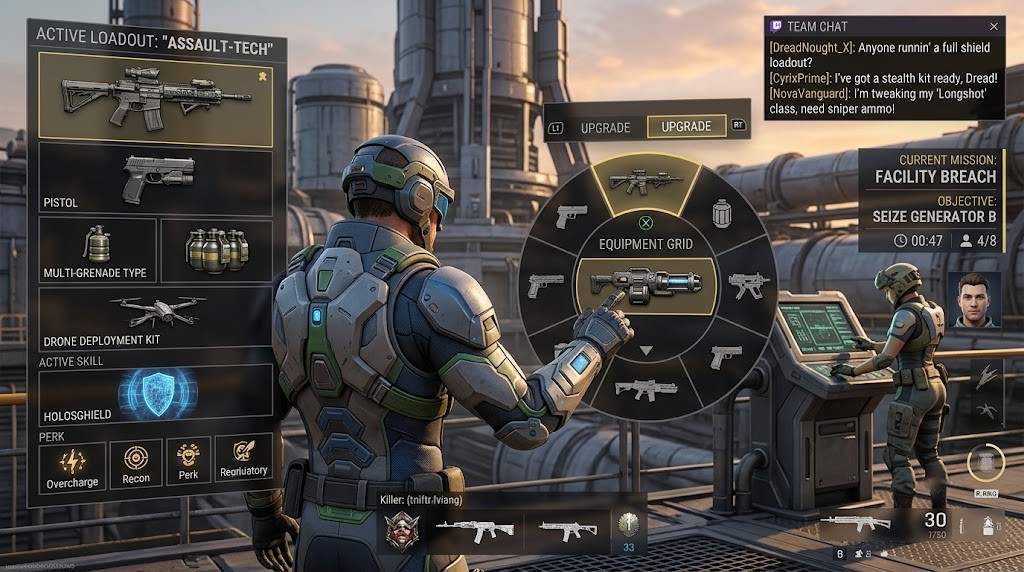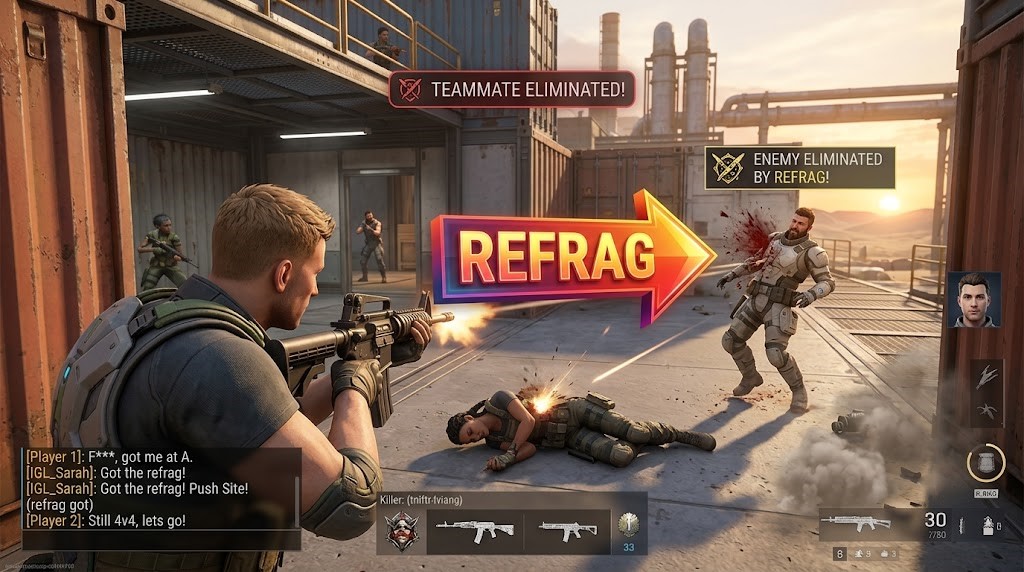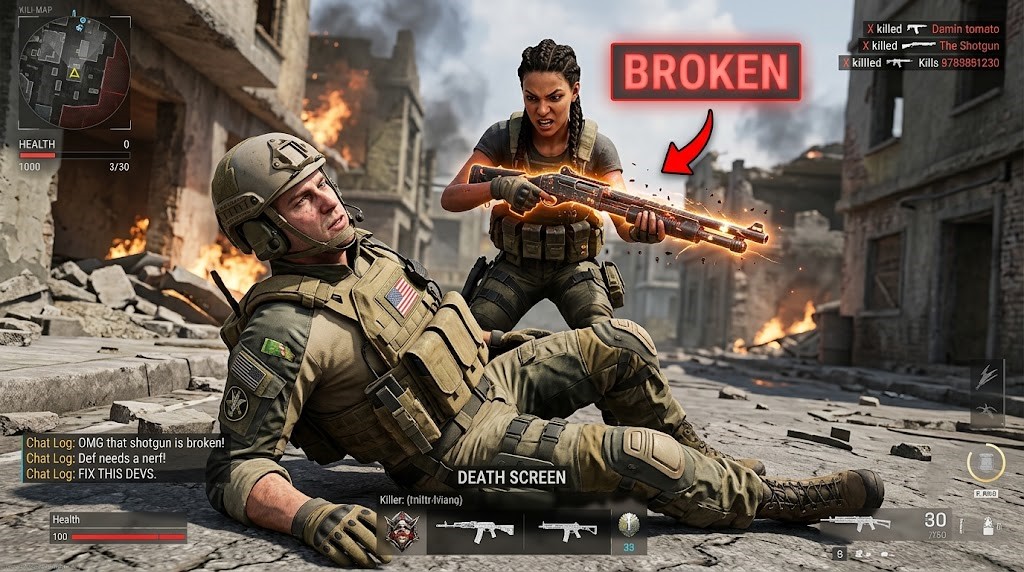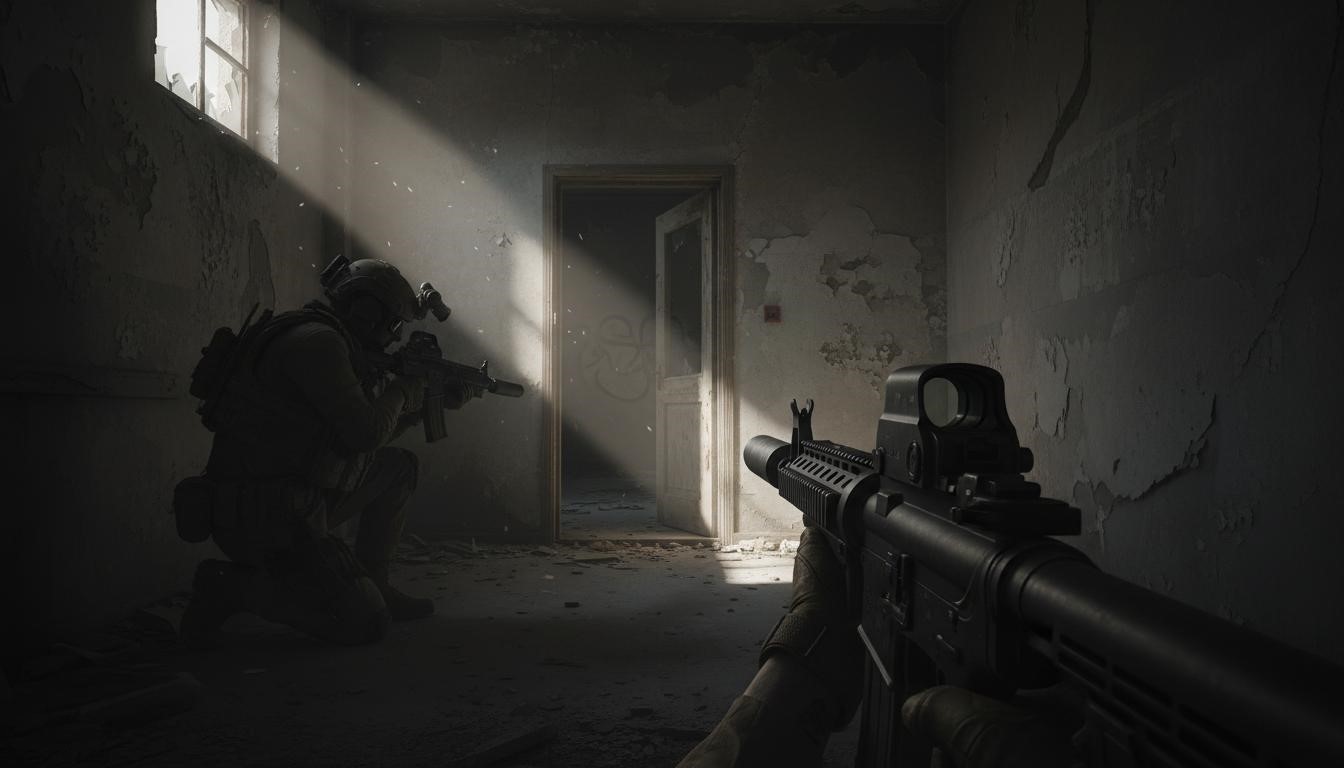
In gaming, ‘camping’ is staying in one spot waiting for enemies to walk into your crosshair. Effective but universally hated.
Trajectory & Chronology
Camping has existed since the earliest multiplayer shooters in the 1990s. In games like Doom and Quake, players discovered that staying in a high-traffic area with a powerful weapon yielded easy kills. The term ‘camper’ emerged as an insult by the late 1990s, with Counter-Strike cementing it in gaming vocabulary. The camping vs. rushing debate has raged for decades — campers defend their strategy as ‘playing smart,’ while rushers call it ‘having no skill.’ By 2026, camping is recognized as a legitimate but socially frowned-upon tactic across all FPS genres.
GEBILAOWANG: Camping is effective. That’s why people hate it. If it didn’t work, no one would care.
High-Fidelity Contextual Dialogues
Scene: After getting killed
Player A: “He’s been camping that corner the whole round” Player B: “Check your corners then” Player A: “I did! He was in a different corner!”
Scene: Defending camping
Player A: “Stop camping, it’s cheap” Player B: “I’m defending the objective. That’s literally my job.” Player A: “…fair point”
Scene: In a sniper duel
Player A: “That sniper is camping the rooftop” Player B: “He’s a sniper. Where else is he supposed to be?” Player A: “Anywhere else?” Player B: “You want the sniper to rush you with a knife?”
Socio-Cultural Gain
Camping sits at the center of gaming’s biggest strategic debate: is playing defensively cowardly or smart? The answer depends entirely on context. In objective-based modes, holding a position is often the correct play. In deathmatch modes, it’s seen as exploiting spawn systems. The term ‘camping’ has also evolved — ‘hard camping’ (never moving) is universally condemned, while ‘holding an angle’ (brief defensive positioning) is accepted as tactical play. Some games have actively designed against camping through mechanics like killcams, portable radar, and destructible environments. In 2026, the camping debate continues, with each new FPS sparking fresh arguments about what constitutes ’legitimate’ defensive play.
FAQ
Q1: Is camping cheating?
No, it’s a legitimate strategy. But many players consider it unsportsmanlike in certain game modes.
Q2: How do I counter campers?
Grenades, flashbangs, coordinated pushes, and checking common spots before entering areas.
Q3: What’s the difference between camping and holding an angle?
Camping = staying in one spot indefinitely. Holding an angle = temporary defensive positioning with an intent to reposition.