Camp
slangWhat Does "Camp" Mean?
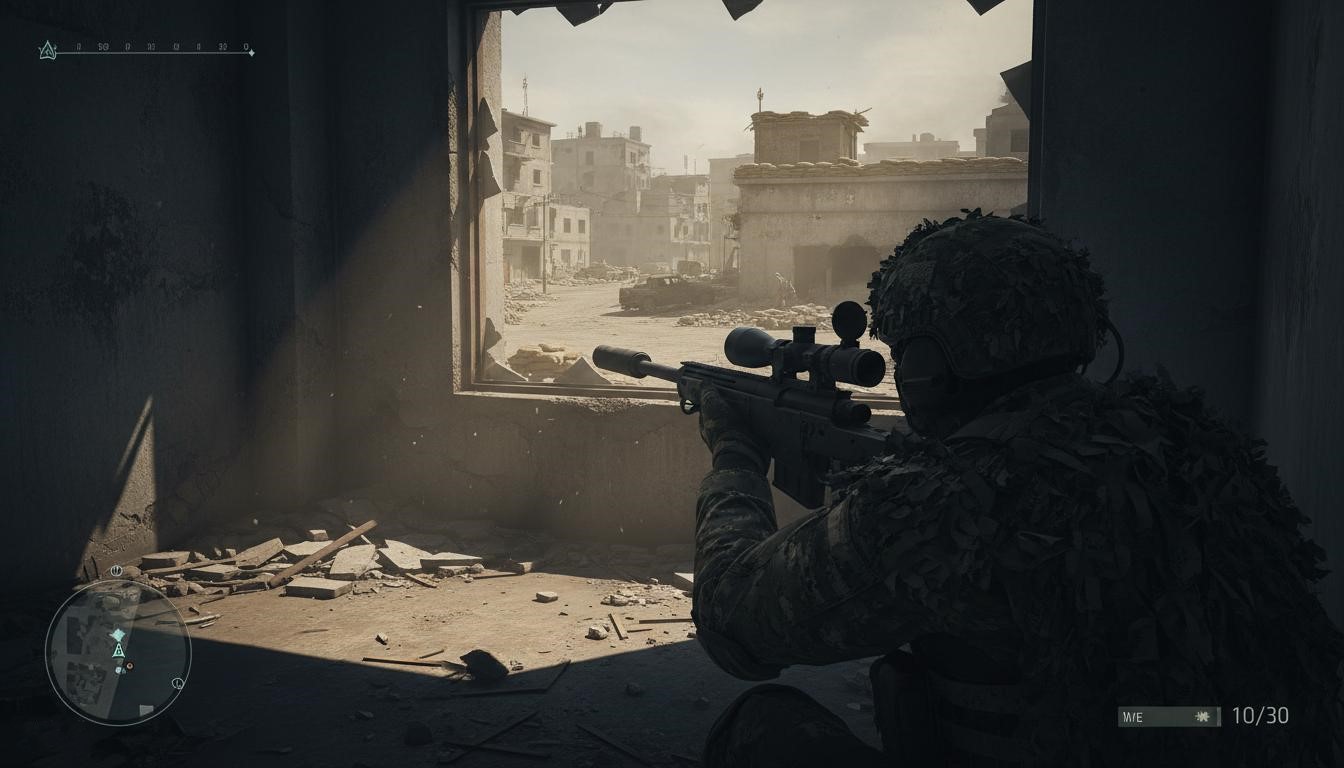
In gaming, ‘camping’ refers to staying in one defensive position for an extended period, usually to ambush passing opponents. Common in FPS games like Call of Duty and Counter-Strike, camping is one of the most debated strategies — viewed as smart tactics by some and as annoying cowardice by others.
Trajectory & Chronology
The term ‘camping’ emerged from early first-person shooters in the late 1990s, particularly GoldenEye 007 on Nintendo 64 (1997) and Counter-Strike (2000). In these games, players discovered that staying in one strategic location — particularly near high-traffic areas or objectives — could yield easy kills against unsuspecting opponents. By the mid-2000s, ‘camper’ had become a standard insult in FPS communities. The term’s notoriety grew with the rise of Call of Duty multiplayer, where camping became so prevalent that developer Infinity Ward implemented design changes specifically to discourage it.
GEBILAOWANG: I’ve noticed this word crossing into non-gaming conversations lately.
Socio-Cultural Gain
Camping represents one of the most fascinating debates in gaming culture: the conflict between ‘honorable’ play and strategic optimization. Players who hate camping argue that it requires no skill — you just sit and wait. Players who defend camping argue that it’s a legitimate strategy — knowing WHERE to camp and WHEN requires game sense and patience. This debate reflects broader tensions in competitive gaming. Should games reward aggressive, visible skill (aim, movement) or strategic thinking (positioning, patience)? Different games answer this question differently.
High-Fidelity Contextual Dialogues
Scene: Call of Duty multiplayer, frustration
Player A: “There’s a camper in the upstairs window again.” Player B: “Which window?” Player A: “The one overlooking B flag. He’s been there the whole game.” Player B: “Classic camper. Let’s flank through the alley.”
Scene: Rainbow Six Siege, tactical discussion
Player A: “Is camping even a viable strat in this game?” Player B: “It’s not camping, it’s ‘holding an angle.’ There’s a difference.” Player A: “Sure, if you call sitting in a corner for 3 minutes ‘holding an angle.’”
Scene: Fortnite, post-match lobby
Player A: “That guy camped in a bush the entire game and won.” Player B: “Gotta respect the hustle, he played the storm not the players.” Player A: “Nah man, that’s just cowardly. Where’s the honor?”
Usage Examples
| Example | Tone |
|---|---|
| "Player A: "There's a camper in the upstairs window again."" | casual |
| "Player A: "Is camping even a viable strat in this game?"" | casual |
| "Player A: "That guy camped in a bush the entire game and won."" | casual |
Origin & Spread
| Attribute | Detail |
|---|---|
| Origins | The term 'camping' emerged from early first-person shooters in the late 1990s, particularly GoldenEye 007 on Nintendo 64 (1997) and Counter-Strike (2000). In these games, players discovered that staying in one strategic location — particularly near high-traffic areas or objectives — could yield easy kills against unsuspecting opponents. By the mid-2000s, 'camper' had become a standard insult in FPS communities. The term's notoriety grew with the rise of Call of Duty multiplayer, where camping became so prevalent that developer Infinity Ward implemented design changes specifically to discourage it. |
Cultural Context
Camping represents one of the most fascinating debates in gaming culture: the conflict between 'honorable' play and strategic optimization. Players who hate camping argue that it requires no skill — you just sit and wait. Players who defend camping argue that it's a legitimate strategy — knowing WHERE to camp and WHEN requires game sense and patience. This debate reflects broader tensions in competitive gaming. Should games reward aggressive, visible skill (aim, movement) or strategic thinking (positioning, patience)? Different games answer this question differently.
FAQ
Q: Is camping considered cheating?
No, camping is a legitimate strategy in virtually all FPS games. However, it's considered poor sportsmanship in casual modes where players expect fast-paced action.
Q: What's the difference between 'camping' and 'holding an angle'?
The difference is duration and intent. 'Holding an angle' is temporary defensive positioning (30-60 seconds). 'Camping' is staying in one spot for an extended period (multiple minutes) primarily to ambush players.
Q: Which games discourage camping?
Fast-paced shooters like Doom, Titanfall, and Apex Legends actively discourage camping through movement mechanics and map design.
Q: How do I explain camping to a non-gamer in one sentence?
"It's when a player stays hidden in one spot to ambush passing opponents — some see it as smart strategy, others see it as cowardly, and it's one of gaming's oldest debates."
Sources
- SpawnPoint Gaming Glossary — Gaming Terms and Slang Explained (2026 Edition)https://spawnpoint.be/gaming-terms-slang-glossary/
- PlayStation — Ultimate Gaming Glossary (2026)https://www.playstation.com/en-us/editorial/playstation-ultimate-gaming-glossary/
About the Author: This guide was compiled and written by GEBILAOWANG, an independent gaming culture researcher and lexicographer specializing in gaming slang, esports terminology, and online communication patterns. Contact: [email protected]