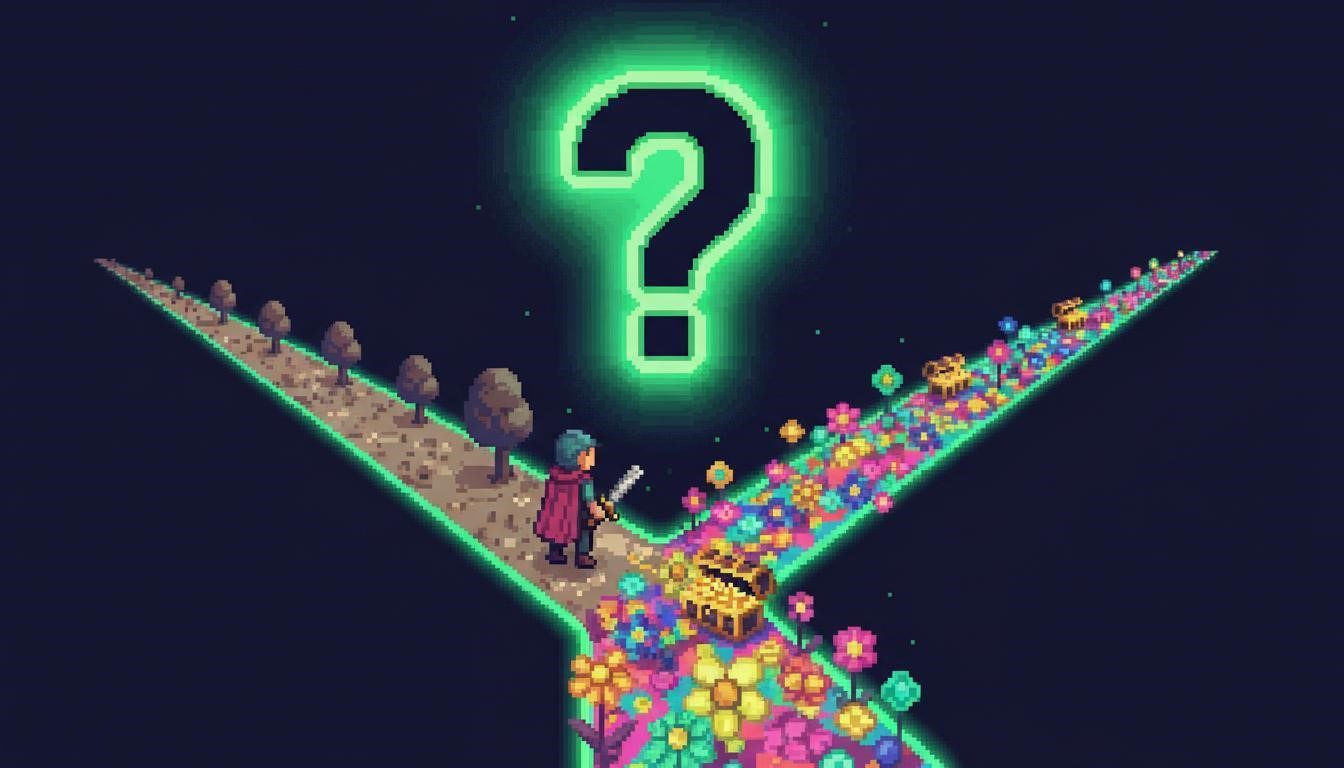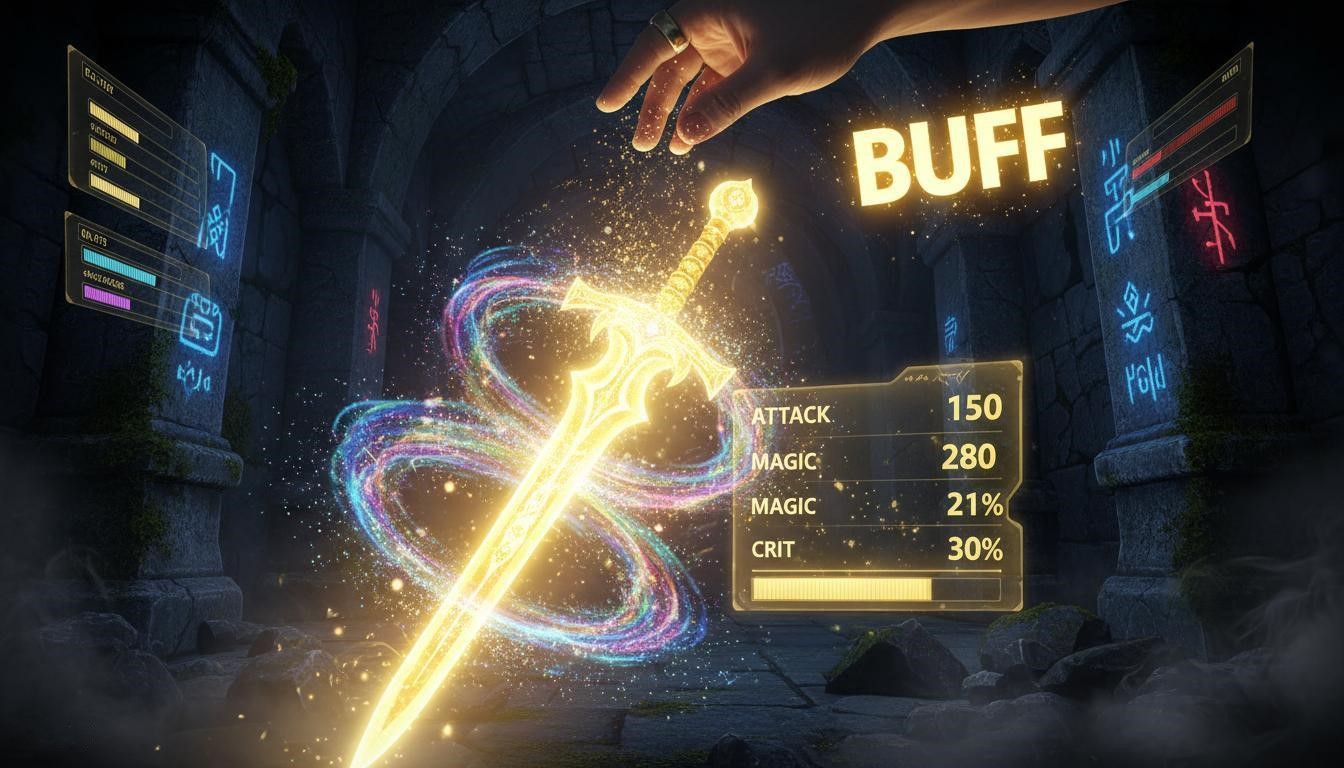
A buff is a game update, patch, or hotfix that strengthens a character, weapon, ability, item, or game mechanic. Buffs increase numerical values — damage, health, speed, cooldown reduction — or improve functionality. They are the optimistic counterpart to nerfs, and together they form the eternal cycle of game balance.
When developers buff an underperforming element, they’re essentially saying: “We see your struggles. Here’s some power.” For dedicated players of underdog characters, a buff can feel like vindication.
Trajectory & Chronology
The concept of ‘buff’ emerged alongside the earliest multiplayer games and MUDs (Multi-User Dungeons) in the 1980s and 1990s. As games grew more complex, developers needed a systematic way to adjust balance. The term ‘buff’ (meaning to polish or improve) was adopted by game communities to describe any strengthening update. World of Warcraft (2004) popularized the term globally through its extensive patch notes. The 2010s saw buffs become a central part of live-service game development, with games like League of Legends and Overwatch releasing buffs and nerfs on regular cycles. By 2026, buffs are announced via social media, livestreams, and dedicated patch note websites, often generating more excitement than new content releases.
High-Fidelity Contextual Dialogues
Scene: Patch notes day
Player A: “They buffed my main! +10% damage!” Player B: “Riot finally listened. You’ve been complaining for months.” Player A: “Time to climb ranked.”
Scene: Pre-game lobby
Player A: “Is that champion viable now?” Player B: “After the buff? Absolutely S-tier.” Player A: “Guess I’m learning a new main.”
Scene: Post-nerf frustration
Player A: “Why did they buff that champion? She’s already broken.” Player B: “Because her win rate was low in low elo.” Player A: “So we suffer in high elo because of bad players?”
Socio-Cultural Gain
Buffs represent the hope that keeps players invested in live-service games. A well-timed buff can resurrect a dead character, revitalize a stagnant meta, and bring lapsed players back. Patch note days have become gaming holidays, with millions of players refreshing websites to see if their main got buffed. The ‘buff/nerf cycle’ has also become a metaphor outside gaming, used to describe any adjustment of power or capability. In 2026, buffs are announced with cinematic trailers and developer livestreams, turning balance patches into major gaming events.
FAQ
Q1: What’s the difference between a buff and a nerf?
A buff makes something stronger; a nerf makes it weaker. They’re opposite sides of the game balance coin.
Q2: How do developers decide what to buff?
Based on win rates, pick rates, player feedback, and internal testing. If a character is underperforming, they get buffed.
Q3: Can a buff make something too strong?
Absolutely. ‘Overbuffing’ is common and usually leads to a subsequent nerf. The ‘buff-nerf yo-yo’ is a well-known phenomenon.