Few words tilt a lobby faster than this one. In gaming, it doesn’t mean “physically damaged”—it means something is so overpowered, bugged, or poorly designed that it wrecks the game’s balance. The term drifted into gaming from fighting game arcades in the late ’90s. Street Fighter II players started calling characters by this label when a combo or glitch made them basically unbeatable. By the mid-2000s, it had jumped to shooters, MOBAs, and pretty much every competitive genre you can name.
Today, it’s the nuclear option of complaints. You don’t drop this word unless you genuinely think something’s ruining the game—or you just got killed by it and you’re salty. (Usually the second one, let’s be real.) It’s what you say when OP doesn’t feel strong enough.
Where It Came From
The exact path is murky, but the fighting game community (FGC) gets the credit. Back in arcade days, if a character had an infinite combo or a move that couldn’t be blocked, players said the character was busted. Not nerfed. Not strong. Busted. Like a machine that doesn’t work right.
That framing stuck. By the early 2000s, Counter-Strike players were calling the AWP by this label in casual lobbies. World of Warcraft raiders called certain talent builds busted too. The word kept its mechanical flavor—something isn’t just good; it’s malfunctioning at a design level.
The rise of live-service games made it a permanent part of the vocabulary. When a new season drops and a weapon has a hidden damage multiplier? That’s the word. When a champion’s ability ignores terrain by accident? Same thing. The community finds it within hours. Reddit threads blow up. Twitch chat spams it. Then the devs show up with a hotfix and an apology.
How Gamers Actually Use It
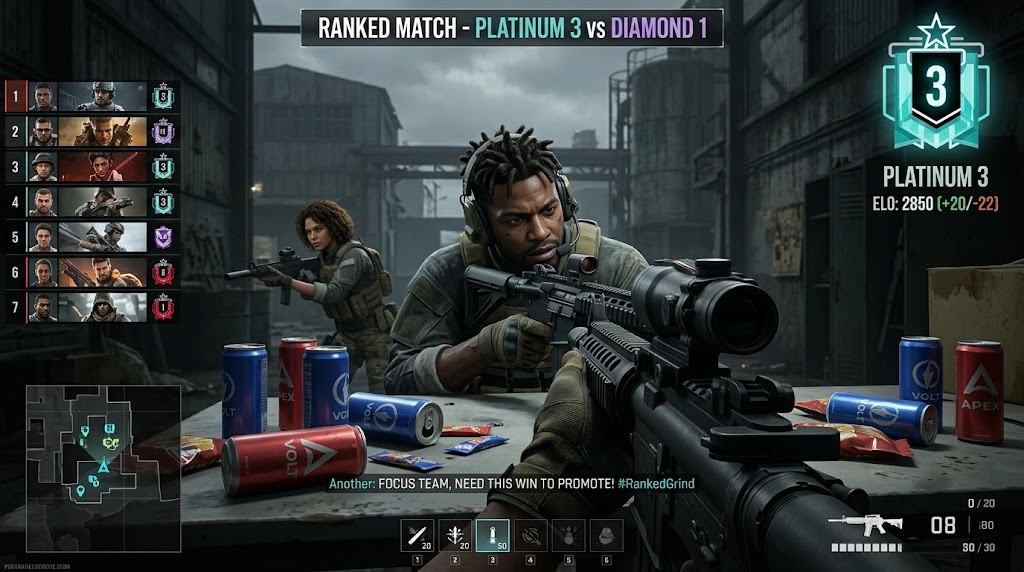
Picture a ranked lobby, down 4v5:
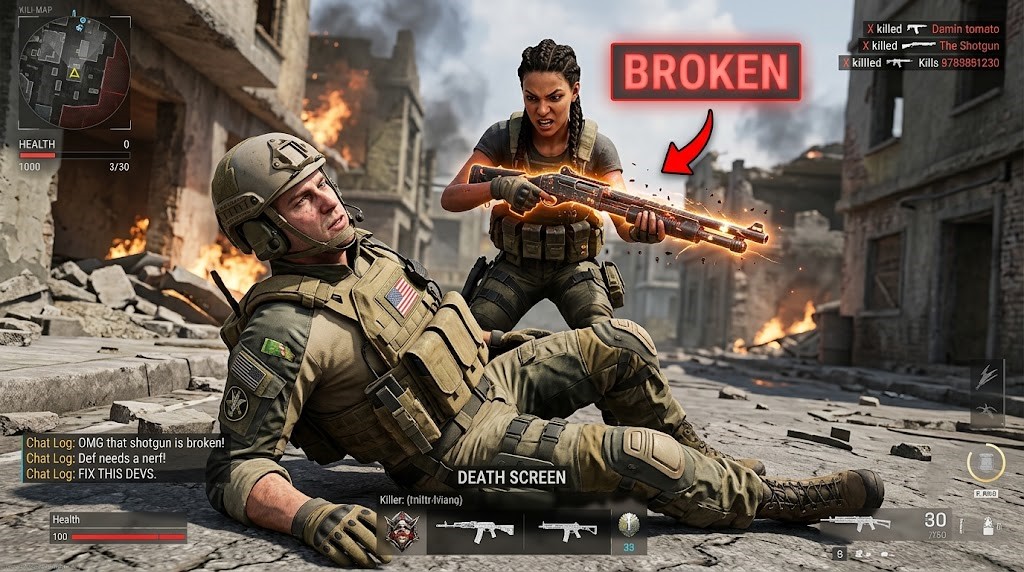
You: “Dude’s running that shotgun again.” Teammate: “Which one?” You: “The one that two-taps from across the map.” Teammate: “Oh. That one. Yeah, we’re doomed.”
Classic. The label shows up in all-chat, Discord, and patch note previews. It’s shorthand for “this shouldn’t exist in its current state.” You’ll hear it after a death, during a stream, or in a YouTube thumbnail screaming about the “BROKEN META.”
There’s a nuance, though. It can mean two things: intentionally overpowered (design choice) or accidentally bugged (code issue). Gamers rarely distinguish. If it ruins your match, it gets the label. End of story.
Why Everyone Says It
There’s a difference between this term and OP, though gamers love to blur it. OP—overpowered—means something’s too strong. This word means it’s not just strong; it’s fundamentally flawed. A gun with slightly too much range? OP. A gun that kills through walls because of a hitbox bug? That’s the other thing. The word carries weight.
When the whole community agrees, patch notes follow. Developers know the term. They dread it. “We’re aware of the interaction” is basically code for “we messed up and everyone’s mad.” The best part? Something labeled this way today is usually nerfed into oblivion tomorrow. Then the cycle starts again with the next meta shift.
| Term | What it means | Example |
|---|---|---|
| OP | Too strong, but works as intended | A gun with slightly high damage |
| Busted | Bugged or design-warping | A gun that one-shots through walls |
| Bugged | Pure technical error | A skill that crashes the game |
Tbh, I still call things by this name when I’m just tilted. We all do.
Tbh, I still call things by this name when I’m just tilted. We all do.
FAQ
Is this the same as OP?
Short answer: no, but we use them interchangeably anyway. OP means something’s too strong. This term means it’s either bugged or so badly designed that it breaks normal gameplay. A weapon with high damage? OP. A weapon that crashes the server when fired? That’s the other one.
When should I actually use this word?
Honestly? When there’s evidence. If a gun has a 60% pick rate in pro play and the devs already tweeted about a nerf, it fits. If you died to it once and you’re tilted, you probably just got outplayed.
Do developers actually fix this stuff?
Usually, yeah. Things that warp the game hurt player retention. A truly warped mechanic makes people quit. Devs monitor win rates, pick rates, and Reddit meltdowns. If all three are spiking, expect a hotfix within the week.
How do I explain this to someone who doesn’t game?
Tell them it’s like a chess piece that can move anywhere and capture twice. It’s not just good—it’s so good that the game stops working properly until it’s removed or fixed.
Why do gamers say this instead of ‘unbalanced’?
Because “unbalanced” sounds like a design lecture. This word sounds like we’re mad. And we are.