Trajectory & Chronology
Brain rot’s history is surprisingly long for such a modern-sounding term. Henry David Thoreau first used the phrase in his 1854 book Walden, criticizing society’s preference for simple ideas over complex thinking. For over 150 years, “brain rot” remained a generic accusation that older generations leveled at anything they considered intellectually unstimulating — television, video games, comic books, and eventually the internet.
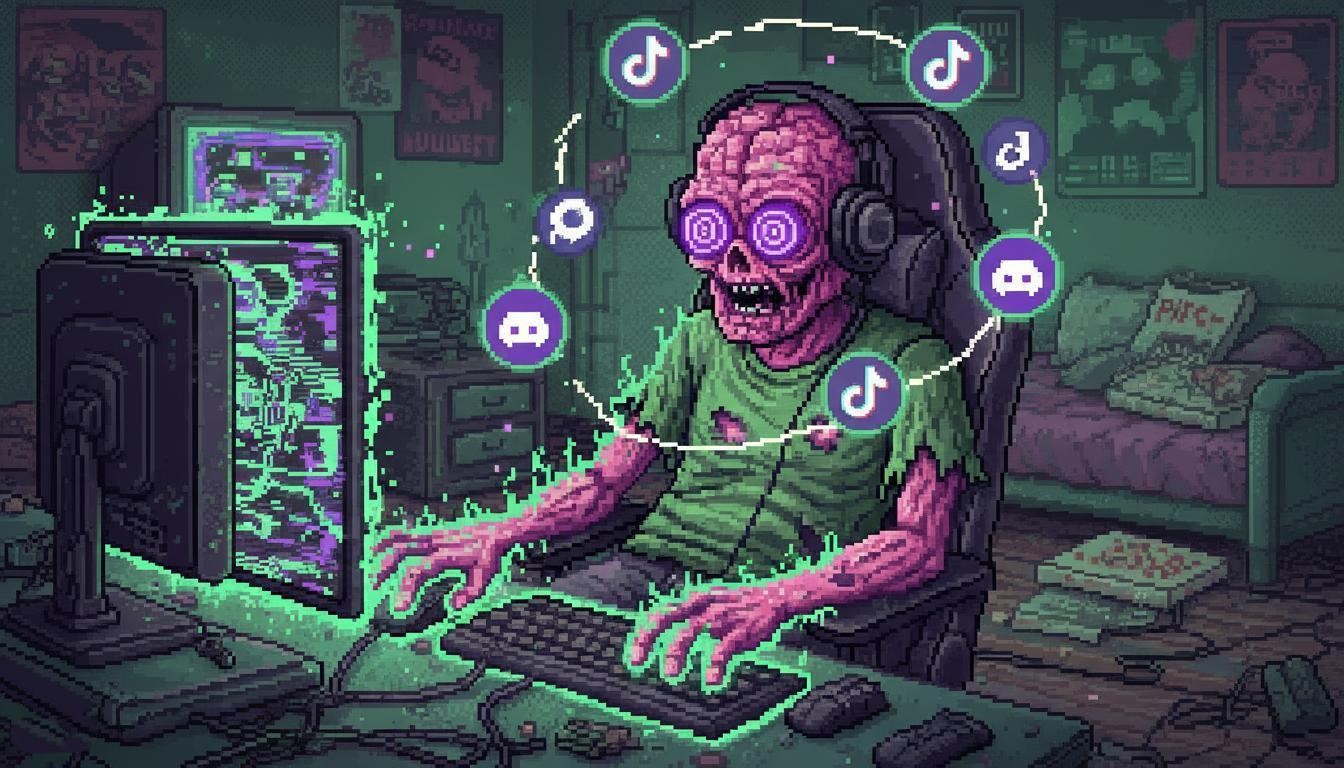
The term’s modern transformation began around 2019-2020 on Reddit and TikTok, where users ironically applied “brain rot” to their own scrolling habits. Instead of parents warning that TikTok would rot kids’ brains, the kids themselves started joking about their “brain rot” after binge-watching content. This self-deprecating usage flipped the term from external criticism to internal humor — you weren’t being accused of having brain rot, you were admitting it.
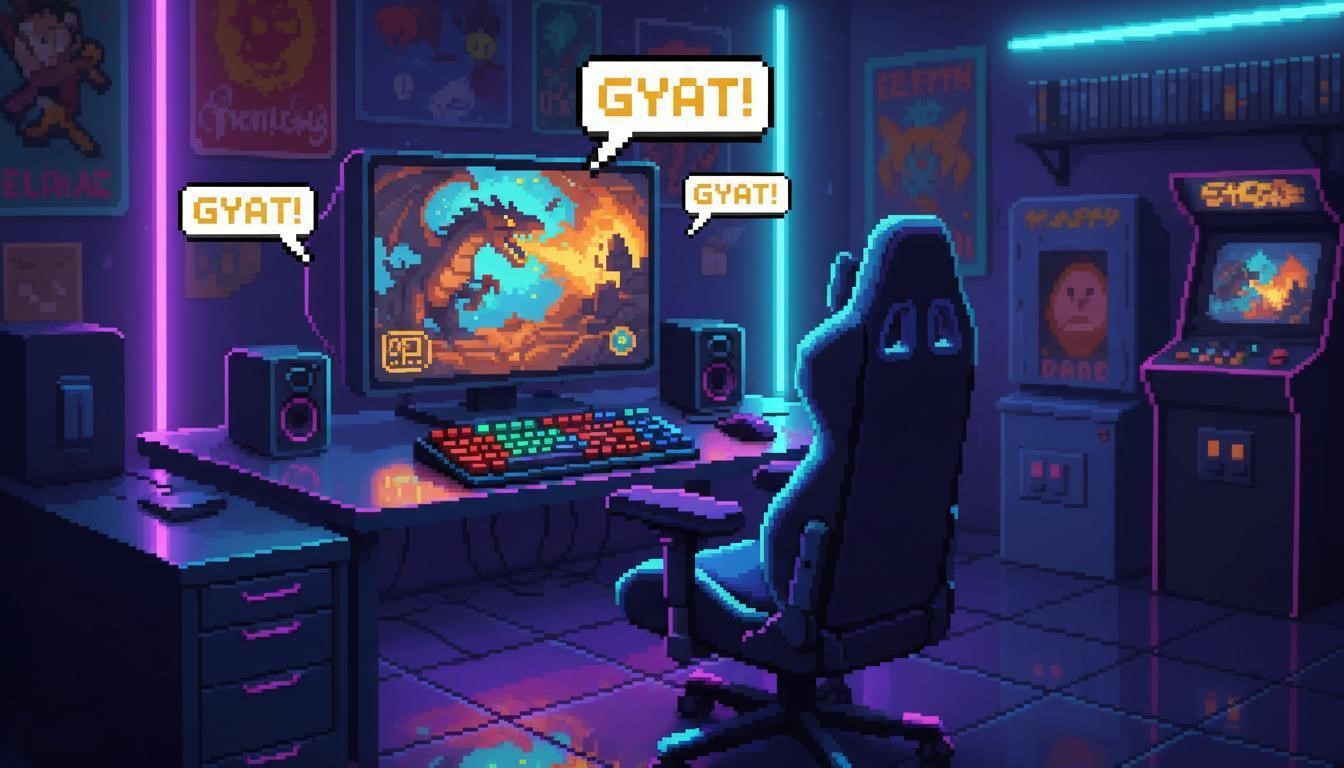
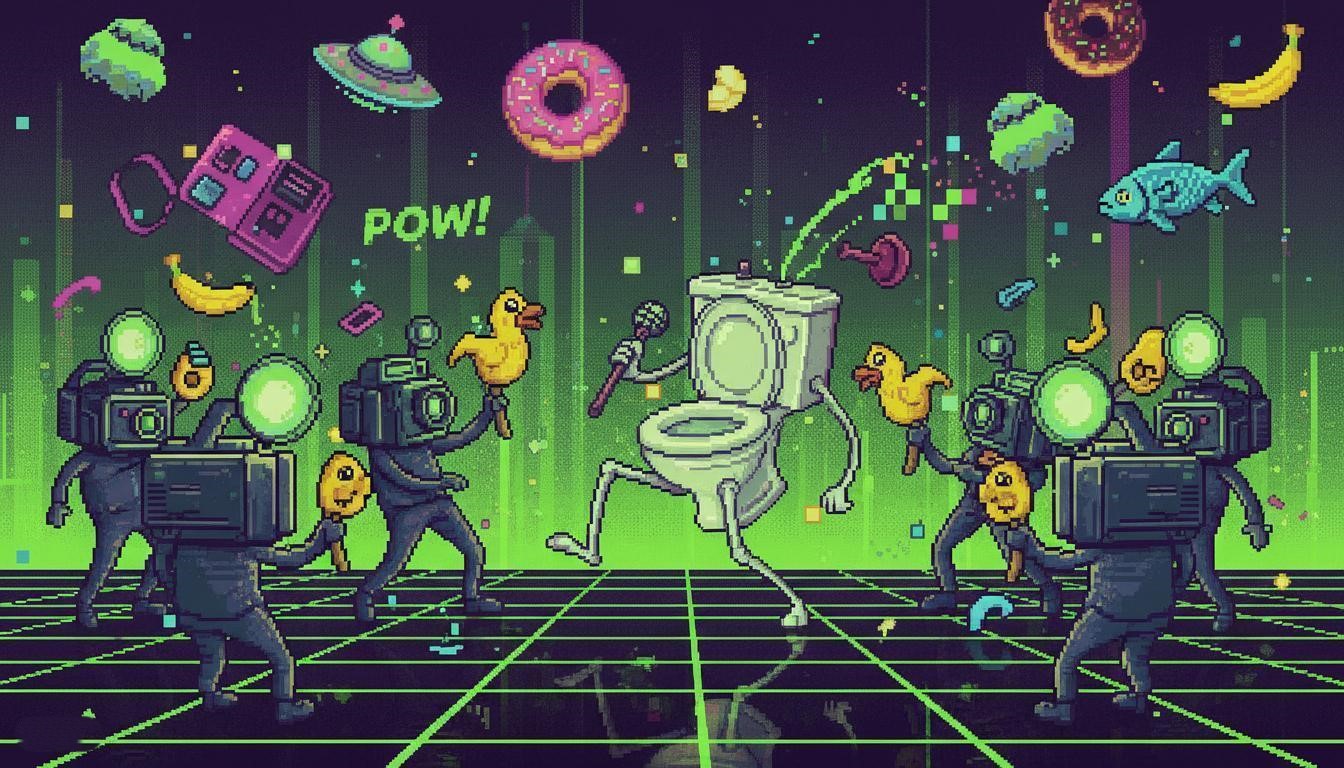
The concept expanded dramatically in 2023 with the explosion of “Skibidi Toilet” and similar absurdist Gen Alpha content. Entire TikTok comment sections became incomprehensible to outsiders, filled with references to sigma, gyat, skibidi, and other rapidly evolving slang. Parents and older internet users started asking what “brain rot” meant, ironically generating even more content about brain rot. Oxford University Press named “brain rot” its 2024 Word of the Year, defining it as “the supposed deterioration of a person’s mental or intellectual state, especially viewed as the result of overconsumption of material considered to be trivial or unchallenging.”
Gaming communities adopted “brain rot” as both a diagnosis and a badge of honor. Speedrunners joke about having “speedrun brain rot” from watching thousands of hours of the same game. Competitive players blame brain rot for missing obvious plays after too many ranked sessions. And Gen Alpha gamers use it to describe the specific mental state of having their vocabulary permanently altered by Discord, TikTok, and Twitch — where sentences like “that ace was skibidi gyat no cap” emerge naturally from their brain-rotted minds.
GEBILAOWANG: Brain rot is just the modern version of “TV will rot your brain” — except now we admit it about ourselves and keep scrolling anyway.
Socio-Cultural Gain
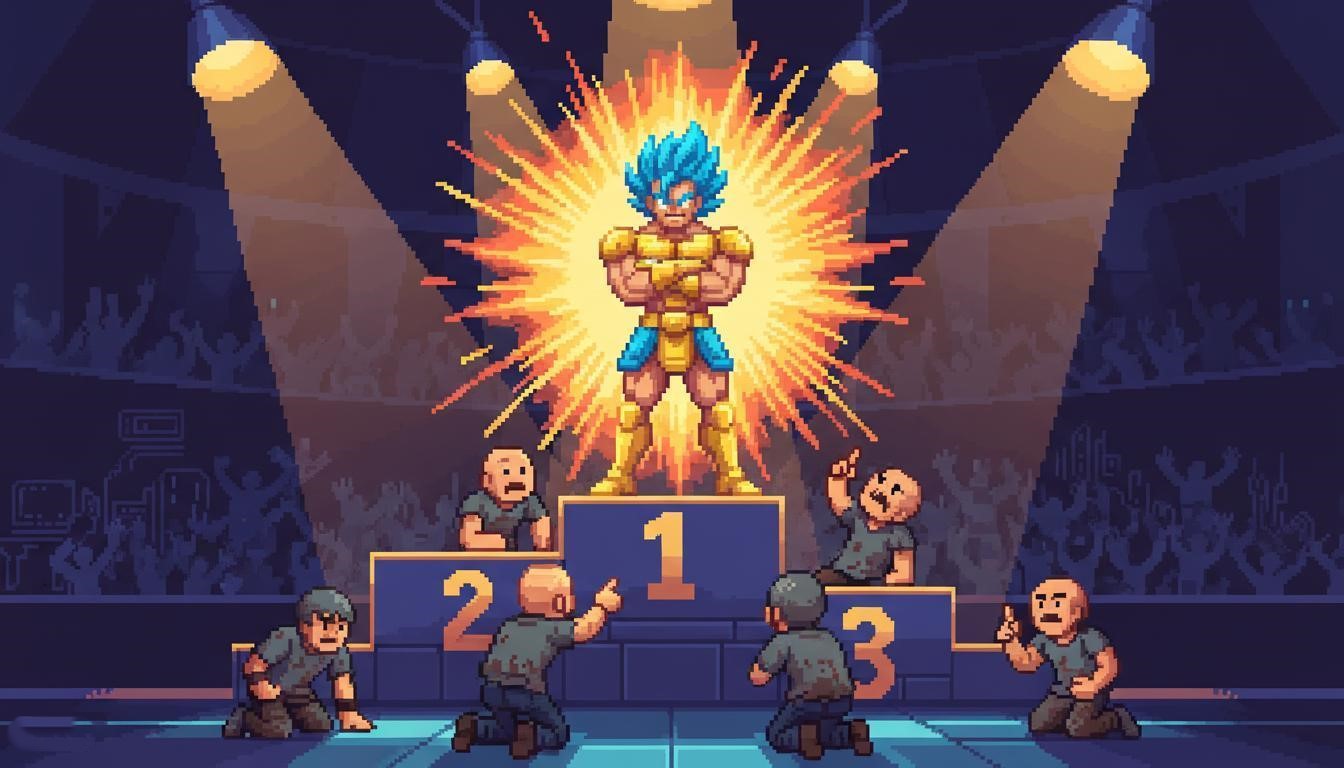
Brain rot represents a fascinating shift in how digital natives conceptualize their relationship with technology. Previous generations treated screen time as something to be defended or limited; Gen Z and Gen Alpha treat it as an inevitable condition to be joked about. Saying “I have brain rot” isn’t actually a complaint — it’s a flex. It signals that you’re so immersed in internet culture that your thought patterns have been permanently reshaped by it.
In gaming specifically, brain rot serves multiple social functions. It’s an excuse for poor performance (“sorry, brain rot moment”), a bonding mechanism (“we all have brain rot here”), and a generational identifier (“you don’t get it, you don’t have brain rot”). The term helps gamers process the genuinely weird experience of spending thousands of hours in virtual worlds where success is measured in pixels and where the social norms of “touch grass” reality feel increasingly foreign.
The concept also highlights the unprecedented speed of cultural evolution in the 2020s. A slang term can emerge, spread globally, spawn an entire ecosystem of derivative terms, and become dictionary-recognized within 2-3 years. “Brain rot” both describes this phenomenon and exemplifies it — the term itself is a product of the very rapid content consumption it names.
High-Fidelity Contextual Dialogues
Scene: Discord, after a 6-hour gaming session
Alex: “Dude I just tried to open my fridge with the E key” Jordan: “That’s advanced brain rot” Alex: “I stared at it for like 3 seconds wondering why it wasn’t working” Morgan: “Time to touch grass my friend” Alex: “Grass is a DLC I can’t afford”
Scene: Twitch chat, streamer makes a basic mistake
Chat: “BRAIN ROT” Chat: “visible brain rot” Chat: “streamer brain rot is real” Streamer: “Chat I just missed one shot” Chat: “one shot too many”
Scene: TikTok comment, gaming clip with absurdist caption
User1: “the skibidi gyat energy is strong with this one” User2: “this comment gave me brain rot” User3: “we’re all brain rotted here it’s fine” User4: “I understood every word and I’m not sure if I’m proud or concerned”
Scene: Friend group chat, planning to meet up
Sam: “Yall wanna grab food?” Riley: “Bet, what time?” Sam: “Like 7?” Jordan: “GYAT that’s so late I’m literally mogging rn” Sam: “…Jordan you need to log off. The brain rot has consumed you.” Jordan: “no cap fr fr”
FAQ
Q1: Is brain rot a real medical condition?
No, despite what concerned parents might think. “Brain rot” is self-deprecating humor, not a clinical diagnosis. When gamers say they have brain rot, they’re joking about spending too much time online, not describing actual cognitive decline. That said, researchers have studied the effects of excessive social media on attention spans — so while “brain rot” itself isn’t real, the underlying concerns about screen time aren’t entirely unfounded either.
Q2: What’s the difference between brain rot and being terminally online?
“Terminally online” describes behavior — someone who spends so much time on the internet that their worldview and social norms are shaped by it. “Brain rot” describes the mental state that results from that behavior. You can be terminally online without joking about brain rot, but if you unironically say “GYAT that boss fight was skibidi,” you definitely have brain rot. Think of terminally online as the cause and brain rot as the effect.
Q3: Is brain rot an insult or a compliment?
Almost always self-deprecating humor, rarely a genuine insult. Calling someone “brain rotted” is typically affectionate teasing among friends who share the same online habits. It’s similar to how gamers call each other “nerds” or “no-lifers” — the insult only works because it contains a grain of truth that everyone involved acknowledges. Using it seriously against someone you don’t know well would come across as genuinely mean.
Q4: How do you explain brain rot to a non-gamer?
“It’s a joke we make about spending too much time online. Like when you binge-watch TikTok for hours and your brain feels mushy afterwards. Gamers use it to describe how our vocabulary and thought patterns get weird from being immersed in internet culture — we start thinking in memes and slang without realizing it.”