AD
BM

BM

slang
Updated Jul 4, 2026 5 min read
competitive etiquette general essential
AD

What Does "BM" Mean?

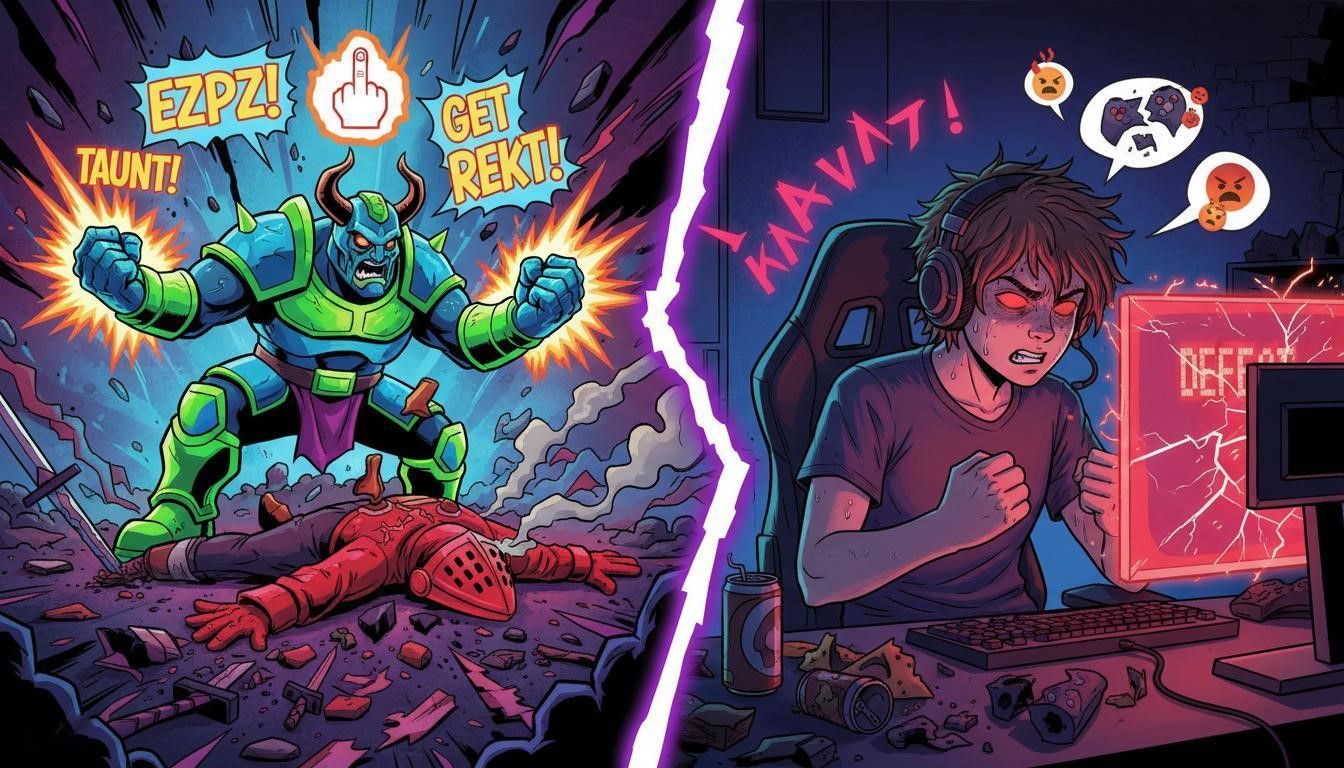
In gaming, ‘BM’ stands for ‘Bad Manners’ and describes rude, disrespectful, or unsportsmanlike behavior toward opponents or teammates. This includes taunting, excessive celebrating, intentionally delaying a won game, or any behavior that goes against the spirit of friendly competition.


Trajectory & Chronology

The term ‘BM’ (Bad Manners) originated in early online multiplayer gaming communities in the late 1990s and early 2000s, particularly in StarCraft and fighting game communities where sportsmanship was highly valued. As competitive gaming grew, BM became a standard term for describing unsportsmanlike conduct. By the 2010s, ‘BM’ was universally understood across all competitive gaming genres. SmileLoverz documented in March 2026 that ‘BM meaning slang remains actively used across platforms in 2026’ and predicted that ‘short behavioral labels like BM will stick around because humans always judge manners.’

GEBILAOWANG: I’ve noticed younger players using this term without knowing its original context.

Socio-Cultural Gain

BM represents gaming culture’s attempt to self-regulate sportsmanship. Unlike traditional sports with referees and formal codes of conduct, online gaming relies heavily on community norms. ‘BM’ is the vocabulary that enforces those norms. The concept of BM also reveals cultural differences in gaming. In Korean esports culture, BM is taken very seriously — excessive celebrating or taunting can damage a player’s reputation and career. In Western gaming culture, BM is more tolerated, with many players viewing light taunting as ‘part of the game.’

High-Fidelity Contextual Dialogues

Scene: Hearthstone, opponent spamming emotes

Player: “This guy is BMing so hard. He’s been emoting every turn.” Friend: “Just mute him. Don’t let it tilt you.”


Scene: League of Legends, all-chat after a win

Player A: “that team was so bm, they fountain dove us at the end” Player B: “it’s just flexing, take the L and move on” Player A: “nah it’s unsportsmanlike, report-worthy honestly”


Scene: StarCraft 2, post-match

Player A: “he didn’t say gg and just left, pure bm” Player B: “maybe he was tilted, don’t take it personally” Player A: “basic manners cost nothing, it’s about respect”

AD

Usage Examples

ExampleContextTone
"Player: "This guy is BMing so hard. He's been emoting every turn.""Hearthstone, opponent spamming emotescasual
"Player A: "that team was so bm, they fountain dove us at the end""League of Legends, all-chat after a wincasual
"Player A: "he didn't say gg and just left, pure bm""StarCraft 2, post-matchcasual

Origin & Spread

AttributeDetail
OriginsThe term 'BM' (Bad Manners) originated in early online multiplayer gaming communities in the late 1990s and early 2000s, particularly in StarCraft and fighting game communities where sportsmanship was highly valued. As competitive gaming grew, BM became a standard term for describing unsportsmanlike conduct. By the 2010s, 'BM' was universally understood across all competitive gaming genres. SmileLoverz documented in March 2026 that 'BM meaning slang remains actively used across platforms in 2026' and predicted that 'short behavioral labels like BM will stick around because humans always judge manners.'

Cultural Context

BM represents gaming culture's attempt to self-regulate sportsmanship. Unlike traditional sports with referees and formal codes of conduct, online gaming relies heavily on community norms. 'BM' is the vocabulary that enforces those norms. The concept of BM also reveals cultural differences in gaming. In Korean esports culture, BM is taken very seriously — excessive celebrating or taunting can damage a player's reputation and career. In Western gaming culture, BM is more tolerated, with many players viewing light taunting as 'part of the game.'

FAQ

Q: What counts as BM?

Common examples include: excessive taunting/emoting, delaying a won game, refusing to say GG, teabagging, and trash talking in all-chat.

Q: Is BM the same as being toxic?

Not exactly. BM is usually about poor sportsmanship (taunting, disrespect) while toxicity is about harmful behavior (harassment, abuse).

Q: Can BM ever be acceptable?

In some competitive contexts, light taunting is considered part of the mind games. But there's a line between competitive banter and genuine disrespect.

Q: How do I explain BM to a non-gamer in one sentence?

"It's gaming slang for bad manners — being disrespectful to your opponents through taunting, gloating, or unsportsmanlike behavior."

Sources

About the Author: This guide was compiled and written by GEBILAOWANG, an independent gaming culture researcher and lexicographer specializing in gaming slang, esports terminology, and online communication patterns. Contact: [email protected]

AD
AD