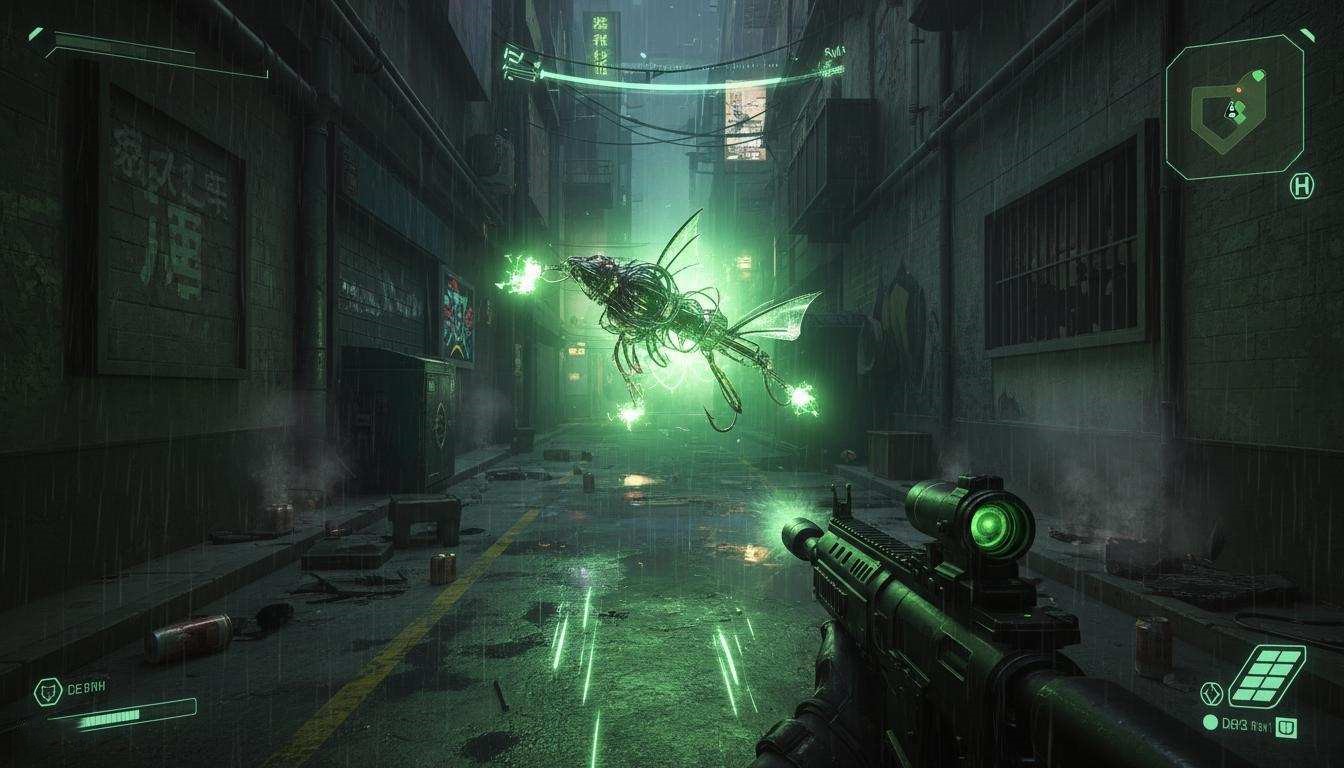
Trajectory & Chronology
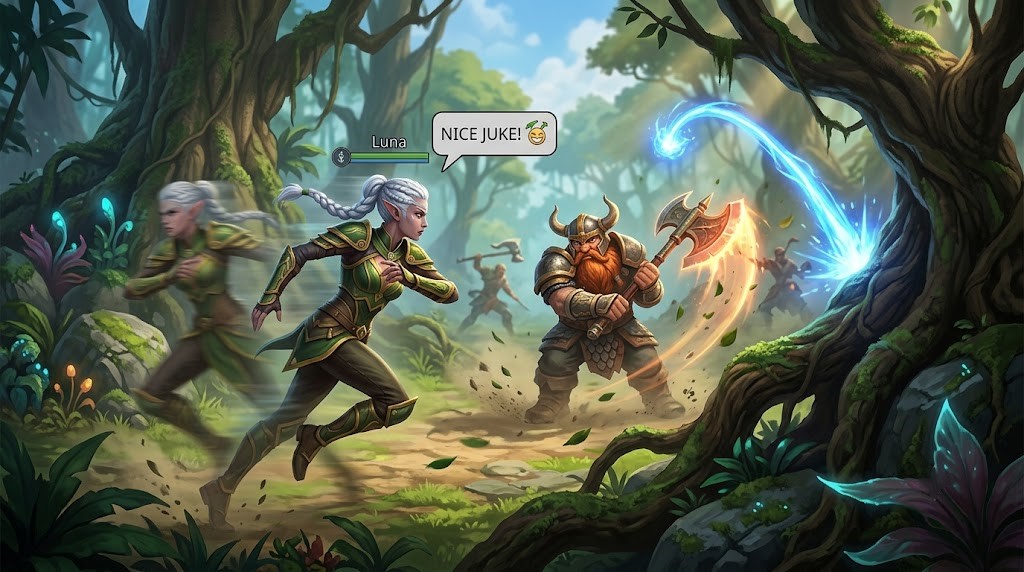
The term “bait” emerged from fishing vocabulary — where bait is used to lure fish — and entered gaming parlance in the late 1990s through early first-person shooters like Quake and Counter-Strike. The metaphor was instant and perfect: you dangle something tempting in front of your opponent, they bite, and you reel them in. By the early 2000s, “bait” had become standard FPS terminology, with players calling out “don’t take the bait” when teammates were about to chase a low-health enemy into an ambush. The rise of MOBAs in the late 2000s — particularly League of Legends and Dota 2 — elevated baiting from a tactical option to an art form. Champions like Blitzcrank (with his hook) and Pudge essentially existed to bait enemies into bad positions. In battle royale games like Apex Legends and Fortnite, baiting became even more sophisticated — leaving juicy loot as trap triggers, using decoy abilities, or faking low health to draw enemies out. In 2026, “bait” is recognized across all competitive gaming genres, with the concept spawning derivatives like “bait-and-switch” (teasing one target while another attacks), “jail bait” (low-health enemies luring you into their team), and “bait ping” (marking fake locations to misdirect opponents).
GEBILAOWANG: The best bait is the kind you don’t even realize is bait until you’re dead. It’s like that one teammate who always types “I’m low” in chat — half the time it’s a trap and half the time they’re actually one-shot, but you never know which until you peek.
High-Fidelity Contextual Dialogues
Scene: Valorant, ranked match, voice comms
Sage: “I’m rotating to B, their Jett is low” Jett (enemy): peeks from mid Reyna: “DON’T CHASE, IT’S BAIT” Sage: “I’m already peeking — oh no, there’s three of them” Jett (enemy): “Thanks for the free kill, enjoy the spectate screen” Reyna: “I literally called it. That’s the third time this half. Stop taking the bait.” Sage: “But she was ONE SHOT” Reyna: “And now you’re one death. Again.”
Scene: Discord, coaching session
Coach: “Your biggest issue is you chase every low-health target” Player: “But if I don’t, they get away” Coach: “You’d rather secure a kill and die than let them escape and live? That’s bait psychology — they know you’ll chase” Player: “So what do I do?” Coach: “If they’re running toward their team, that’s not a kill, that’s a sales pitch. The price is your life. Don’t buy it.” Player: “ngl that makes way more sense now” Coach: “Now let’s review the VOD. Count how many times you took bait this game. Spoiler: it’s more than your kill count.”
Scene: Twitch chat, watching a pro match
ChatUser1: “BLITZCRANK HOOK INTO 4 ENEMIES Pog” ChatUser2: “that’s the biggest bait I’ve ever seen” ChatUser3: “adc literally walked into the entire enemy team for a cannon minion” ChatUser4: “cannon minion > survival apparently” ChatUser5: “the classic ‘it’s just one auto’ bait” ChatUser2: “reminds me of my solo queue games tbh”
Socio-Cultural Gain
Baiting represents the psychological warfare at the heart of competitive gaming — the understanding that greed, ego, and FOMO are exploitable weaknesses. In FPS culture, “don’t take the bait” has become a mantra for disciplined players who understand that the kill feed is less important than staying alive. The concept reveals a fascinating tension in gaming psychology: players know bait exists, they know they’ve fallen for it before, and yet they keep falling for it because the reward (a kill) feels immediately more tangible than the risk (death). “Taking the bait” has entered non-gaming vocabulary to describe any situation where someone gets lured into a bad position by temptation — “He took the bait when they offered him that ’exclusive’ crypto deal.” In MOBA culture, baiting is so fundamental that certain champions are literally designed around it. In 2026, understanding bait psychology is considered a core competitive skill, with pro coaches dedicating entire VOD review sessions to bait recognition.
FAQ
Q1: What’s the difference between bait and a regular trap?
A bait is active — you’re using something tempting to lure someone in. A trap is passive — it’s already set and waiting. Bait requires reading your opponent’s greed; a trap just requires them to walk into it. Think of it this way: bait is the fishing rod, the trap is the net.
Q2: How do I stop taking bait?
Ask yourself: “Why is this enemy showing themselves to me?” If the answer is “they’re low and running,” look at WHERE they’re running. Toward their team? That’s bait. Toward a dead end? That’s a real kill. The best anti-bait strategy is patience — if a kill feels too easy, it probably is.
Q3: Is bait still a major strategy in 2026?
Absolutely. In fact, it’s more sophisticated than ever. Modern games have abilities literally designed for baiting — decoys, fake footsteps, illusion clones. Plus, with ranked systems making every death costly, baiting has become higher-stakes. A good bait in 2026 ranked can win you the round. A bad take loses you the game.
Q4: How do I explain bait to a non-gamer?
“In competitive games, ‘bait’ is when a player deliberately tempts their opponent with something appealing — like a low-health enemy — to lure them into a trap where the rest of the team is waiting. It’s like leaving a $20 bill on the sidewalk with your friends hiding behind a bush.”
Q5: Do pros use bait in tournaments?
Constantly. Tournament-level baiting is an art form — pros use fake ability usage, deliberate positioning errors, and even intentional missed shots to sell the bait. Some of the most iconic esports moments are baits: the fake retreat that turns into a 5-man wipe, the “free” objective that’s actually an ambush. The difference between amateur and pro baiting is subtlety — pros make it look accidental.