Trajectory & Chronology
Aggro’s journey into gaming slang is unusually long and winding. The word itself originated in British slang during the 1960s, short for “aggravation” or “aggression.” In working-class British English, “aggro” described confrontational behavior — “there was a lot of aggro at the pub” meant there was aggressive tension or fighting. The term stayed largely confined to British and Australian slang for decades.
The pivot to gaming happened in the late 1990s through MMORPGs, particularly EverQuest (1999). In EverQuest’s group combat system, enemies needed a way to decide which player to attack. The game used a hidden “threat” or “hate” system — players who dealt more damage, healed allies, or used specific abilities generated more “aggro” (aggressive attention). The British slang term was adopted by the predominantly English-speaking early MMO community because it perfectly described the concept of drawing an enemy’s aggressive focus.
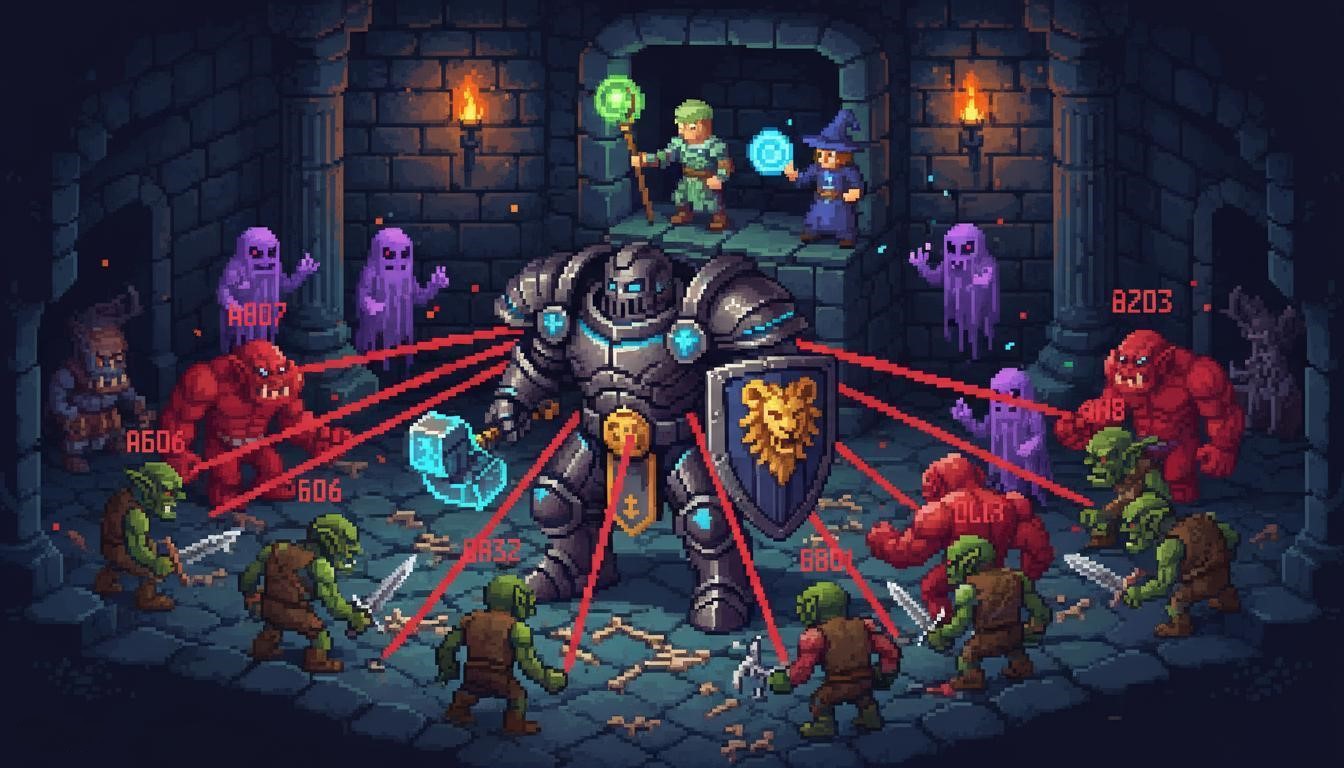
World of Warcraft (2004) made “aggro” universal. In WoW’s group content (dungeons and raids), managing aggro was literally a matter of life and death. The “tank” role existed specifically to hold aggro — using abilities that generated massive threat to keep enemies focused on them rather than the fragile damage dealers and healers. Phrases like “I pulled aggro” (accidentally becoming the enemy’s target) and “tank lost aggro” became standard raid communication.
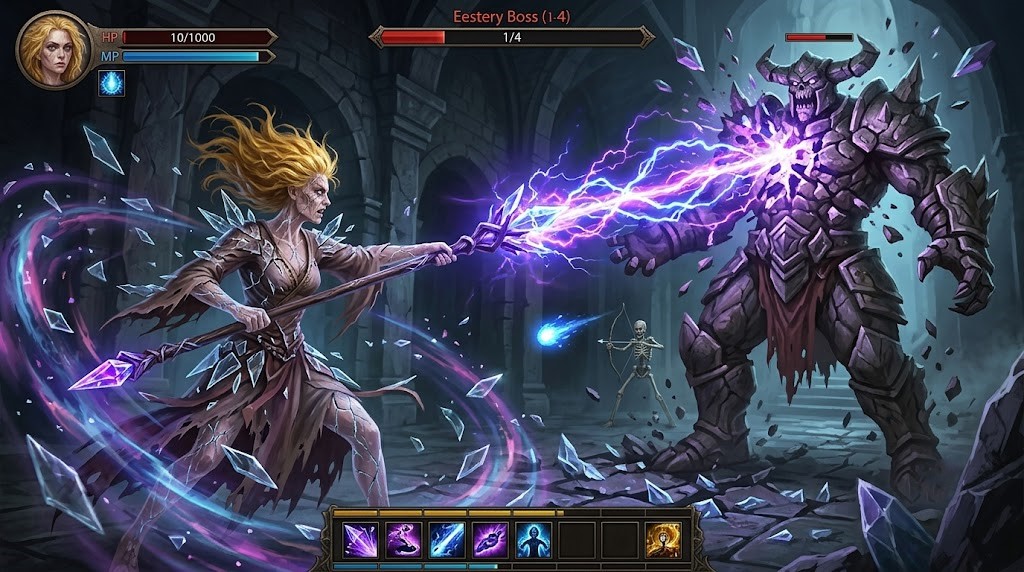
By the 2010s, aggro had expanded beyond its original MMORPG context. MOBAs used aggro mechanics for tower and neutral monster targeting. Action RPGs showed aggro ranges as visual indicators. Even single-player games adopted aggro systems for enemy AI behavior. The term became so common that most gamers use it without knowing its British slang origins.
In 2026, aggro is standard vocabulary across virtually all gaming genres with combat. It’s used as both noun (“I have aggro”) and verb (“Don’t aggro that mob yet”). The concept has also influenced game design theory — “aggro radius” (how close you need to be to trigger enemy attention) is a standard design parameter for open-world games.
GEBILAOWANG: Aggro went from British pub fights to dragon raid mechanics. That’s the most unexpected career change in slang history.
Socio-Cultural Gain
Aggro represents one of gaming’s most elegant design concepts: invisible systems that create visible teamwork. Players never see the actual aggro numbers, but they feel the consequences constantly. When a tank successfully holds aggro, the group functions smoothly. When aggro breaks and enemies swarm the healer, chaos ensues. This invisible mechanic creates the foundation for all group-based combat in MMOs.
The term also highlights how gaming borrows from unexpected linguistic sources. “Aggro” isn’t an acronym or a gaming invention — it’s working-class British slang that happened to describe a game mechanic perfectly. This kind of linguistic appropriation is common in gaming (“boss,” “spawn,” “gank” all have non-gaming origins), but aggro’s journey from British pubs to World of Warcraft raids is particularly dramatic.
In competitive gaming culture, “pulling aggro” has become a metaphor for drawing unwanted attention in any context. A streamer might say “I don’t want to pull aggro from the mods” when deciding whether to make a controversial comment. This metaphorical usage shows how deeply gaming terminology has permeated internet culture.
High-Fidelity Contextual Dialogues
Scene: World of Warcraft raid, boss fight
Tank: “I’m pulling in 3… 2… 1…” Tank attacks boss DPS: “Opening up” Healer: “I’ve got you” Boss suddenly turns toward the mage Tank: “MAGE YOU PULLED AGGRO, ICE BLOCK” Mage: “Sorry sorry sorry” Tank: “Wait for three sunders before attacking, how many times do I have to say it”
Scene: League of Legends, jungle clear
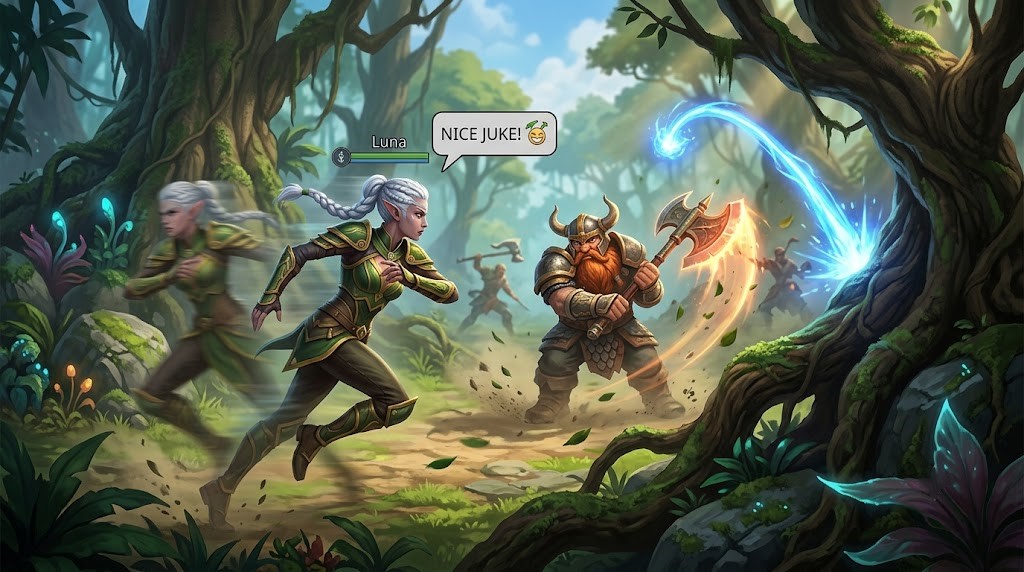
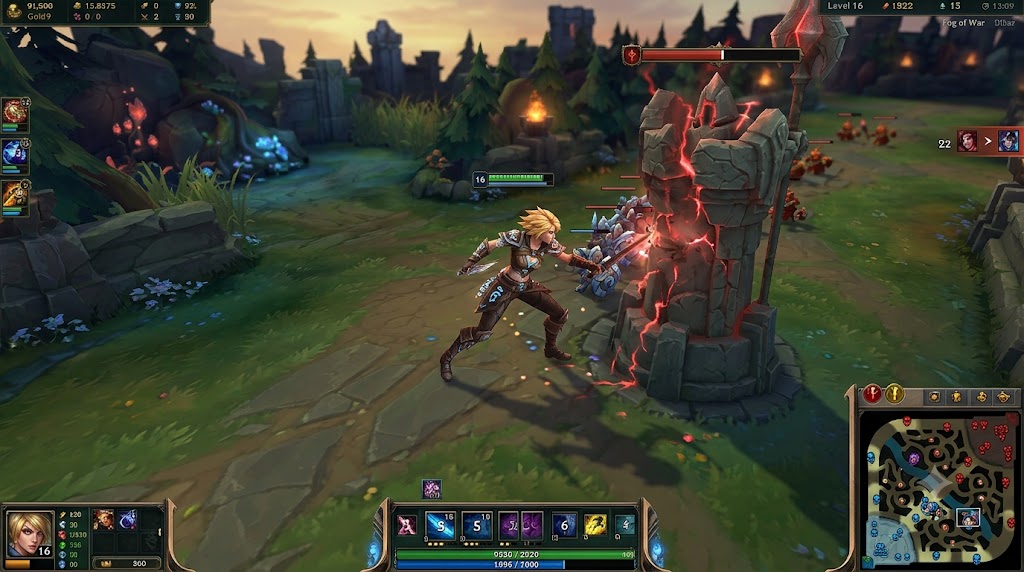
Jungler: “I’m taking red buff” Support: “Careful, the enemy jungler might be nearby” Jungler: “I’ll aggro the buff into the bush so they can’t see me” Support: “Smart” Jungler: “Basic aggro management, nothing special”
Scene: Discord, explaining tanking to a new player
Newbie: “So my job is just to stand there and get hit?” Veteran: “No, your job is to generate aggro. You need to be the most threatening thing on the battlefield” Newbie: “How do I do that?” Veteran: “Use your taunt abilities, deal damage, and position yourself between the enemy and your team. The game has a hidden threat meter — you want to be at the top of it” Newbie: “So I want ALL the aggro?” Veteran: “Every single point of it. If someone else has aggro, you failed.”
Scene: Reddit comment, r/wow
OP: “DPS players: please stop pulling aggro from the tank” Comment1: “As a mage main, I can confirm that pulling aggro is not a choice, it’s a lifestyle” Comment2: “Just give the tank 3 globals before you open, it’s not hard” Comment3: “But my parse” Comment2: “Your parse won’t matter when you’re dead because you pulled aggro and got one-shot”
FAQ
Q1: Is aggro the same as threat?
They’re closely related but slightly different. “Threat” is the actual numerical value that determines who an enemy targets. “Aggro” describes the state of being the enemy’s target — the player with the highest threat “has aggro.” In practice, gamers use the terms interchangeably. “I’m building threat” and “I’m building aggro” mean the same thing in most contexts.
Q2: How do tanks hold aggro?
Tanks use abilities specifically designed to generate high threat — “taunts” that force enemies to target them, defensive abilities that multiply threat generation, and sometimes just raw damage. In most games, tanks deal less damage than DPS players but generate threat at a multiplier (2x or 3x their damage). Good tanks also position enemies to protect their team and use crowd control to manage multiple targets.
Q3: What happens when someone pulls aggro?
When a non-tank player generates more threat than the tank, the enemy switches targets and attacks them. This is usually bad because DPS and healer characters are designed to be fragile — they die quickly if enemies reach them. “Pulling aggro” is considered a mistake in group content, though sometimes it’s unavoidable (healers generate threat by healing, so if the tank dies, the healer usually gets aggro next).
Q4: How do you explain aggro to a non-gamer?
“In team-based games, enemies need to decide who to attack. ‘Aggro’ is the invisible system that makes that decision — it tracks who’s dealing the most damage, healing the most, or using abilities that specifically attract attention. The ’tank’ role exists to hold the enemy’s aggro, keeping them focused on the tough armored character instead of the fragile damage dealers. When someone ‘pulls aggro,’ it means they accidentally did something that made the enemy switch targets to them, which usually ends badly.”