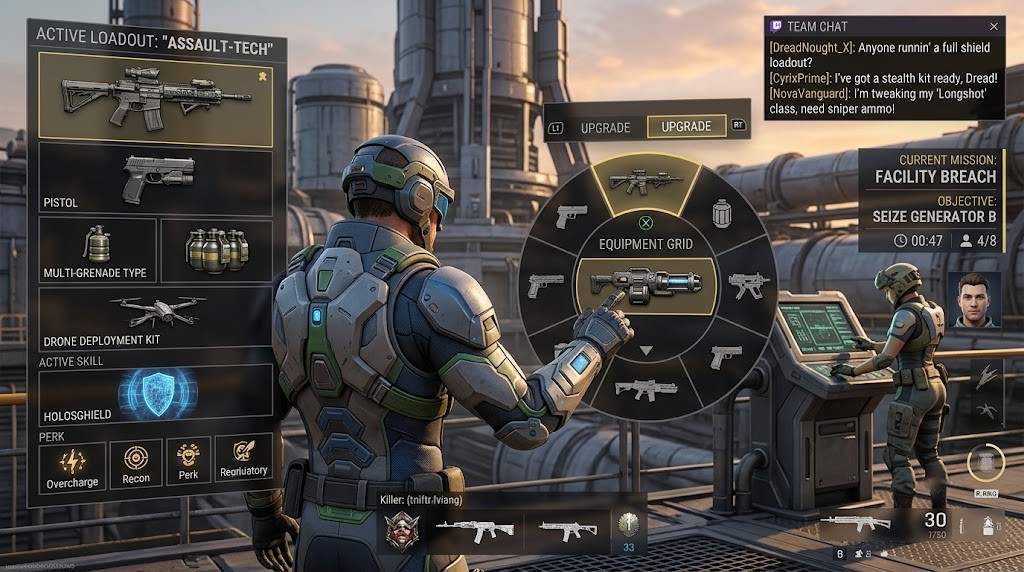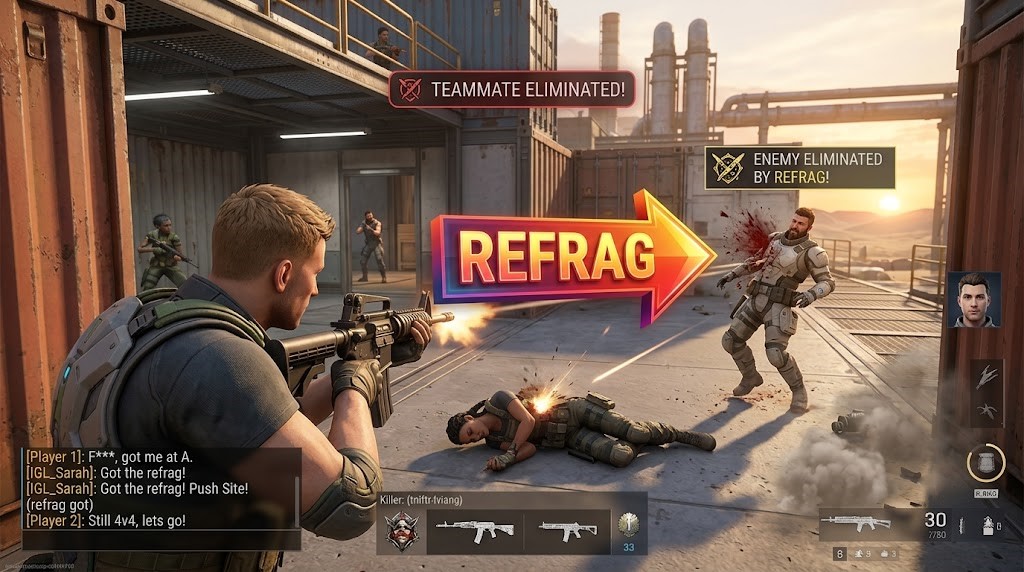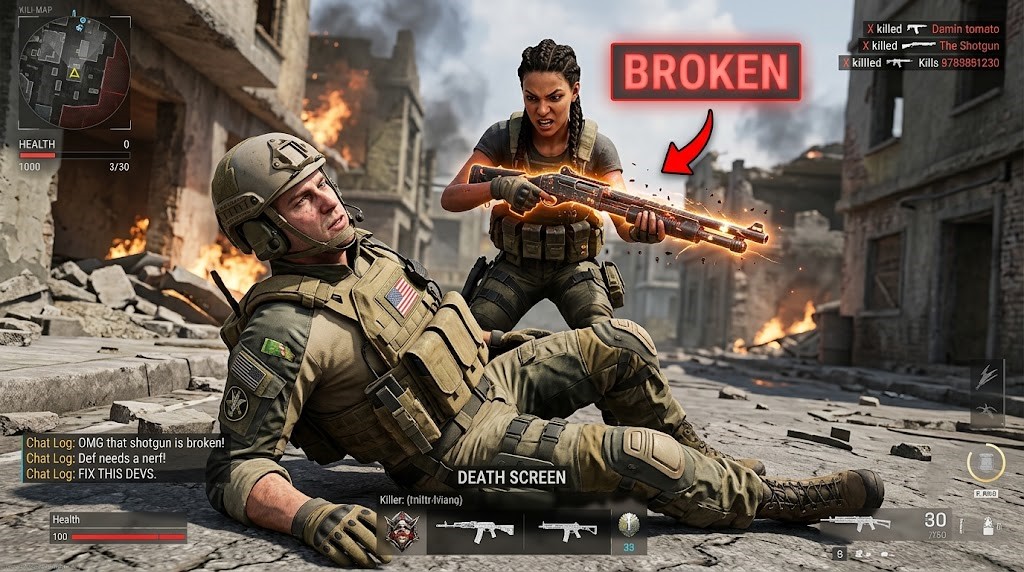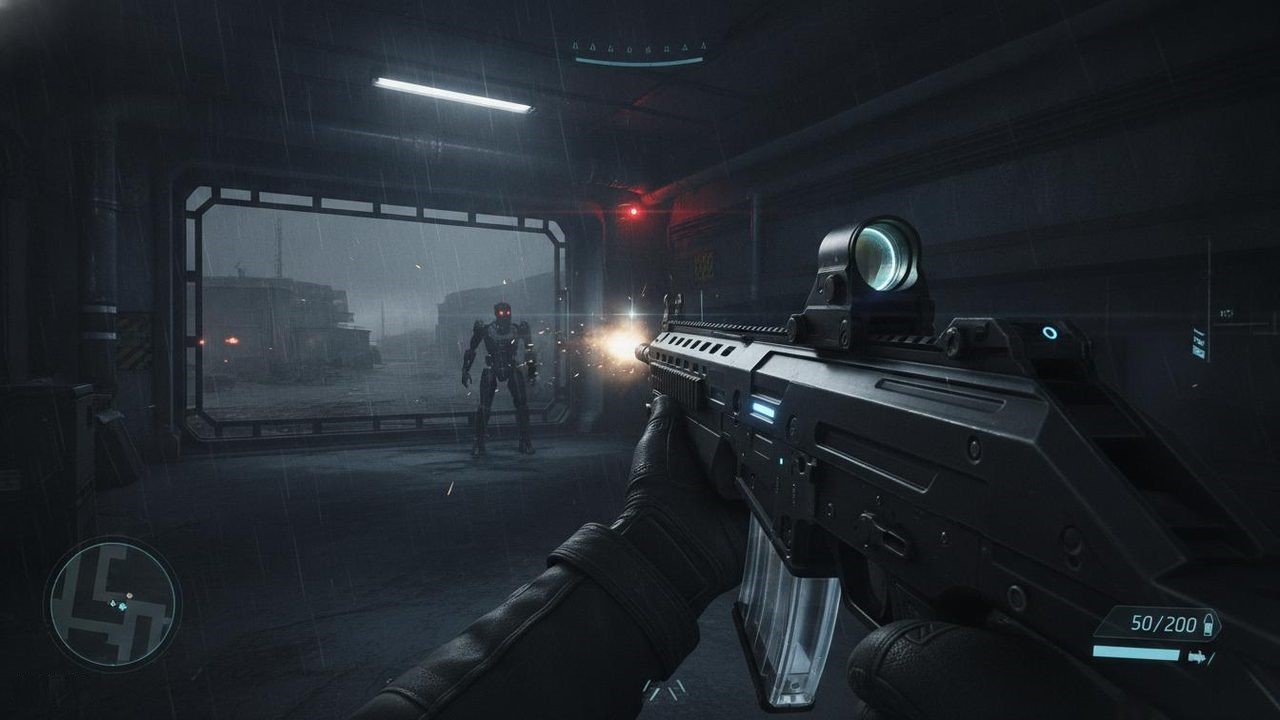
In gaming, ADS stands for Aim Down Sights — the moment you sacrifice speed for precision.
Trajectory & Chronology
The term ‘ADS’ (Aim Down Sights) emerged with the rise of tactical first-person shooters in the late 1990s and early 2000s. Games like Counter-Strike (1999) and Rainbow Six (1998) popularized the mechanic of transitioning from hip-fire to scoped aiming. As shooters evolved, ADS became a core skill separating casual and competitive players. By the 2010s, virtually every modern FPS featured some form of ADS system, with different games implementing varying levels of accuracy bonuses and movement penalties.
High-Fidelity Contextual Dialogues
Scene: Callout during ranked
Player A: “Why’d you ADS there? You got flanked because you couldn’t turn fast enough.” Player B: “I thought he’d be long range.” Player A: “Map awareness, dude. Hip fire in close quarters.”
Scene: Coaching moment
Coach: “Stop ADSing every fight. Pick your moments.” Player: “But my aim is better when I ADS.” Coach: “Your aim is better, but you’re a sitting duck.”
Scene: Loadout discussion
Player A: “This SMG has terrible hip fire. I need to ADS even in close range.” Player B: “Then use a laser attachment. Problem solved.”
Socio-Cultural Gain
ADS (Aim Down Sights) reflects the tactical depth that separates casual players from competitive ones. The decision of when to ADS versus hip-fire is a fundamental skill in virtually every modern shooter. In streaming culture, ‘ADS timing’ is frequently discussed as a key differentiator between good and great players. Professional players spend countless hours perfecting their ADS transitions to gain split-second advantages. The mechanic has become so central to shooter design that games without it (like some arcade shooters) feel noticeably different to modern players.
FAQ
Q1: Should I always ADS?
No. ADS slows your movement and limits your field of view. In close quarters, hip-firing is often better. Use ADS for medium-to-long range engagements.
Q2: Does ADS increase damage?
Generally no, but it reduces bullet spread and recoil, making shots more accurate — effectively increasing your damage output by ensuring more bullets hit.
Q3: What’s the difference between ADS and scoping?
ADS is a general term for any aimed view. Scoping specifically refers to using a magnified optic (like a sniper scope). All scopes require ADS, but not all ADS uses a scope.